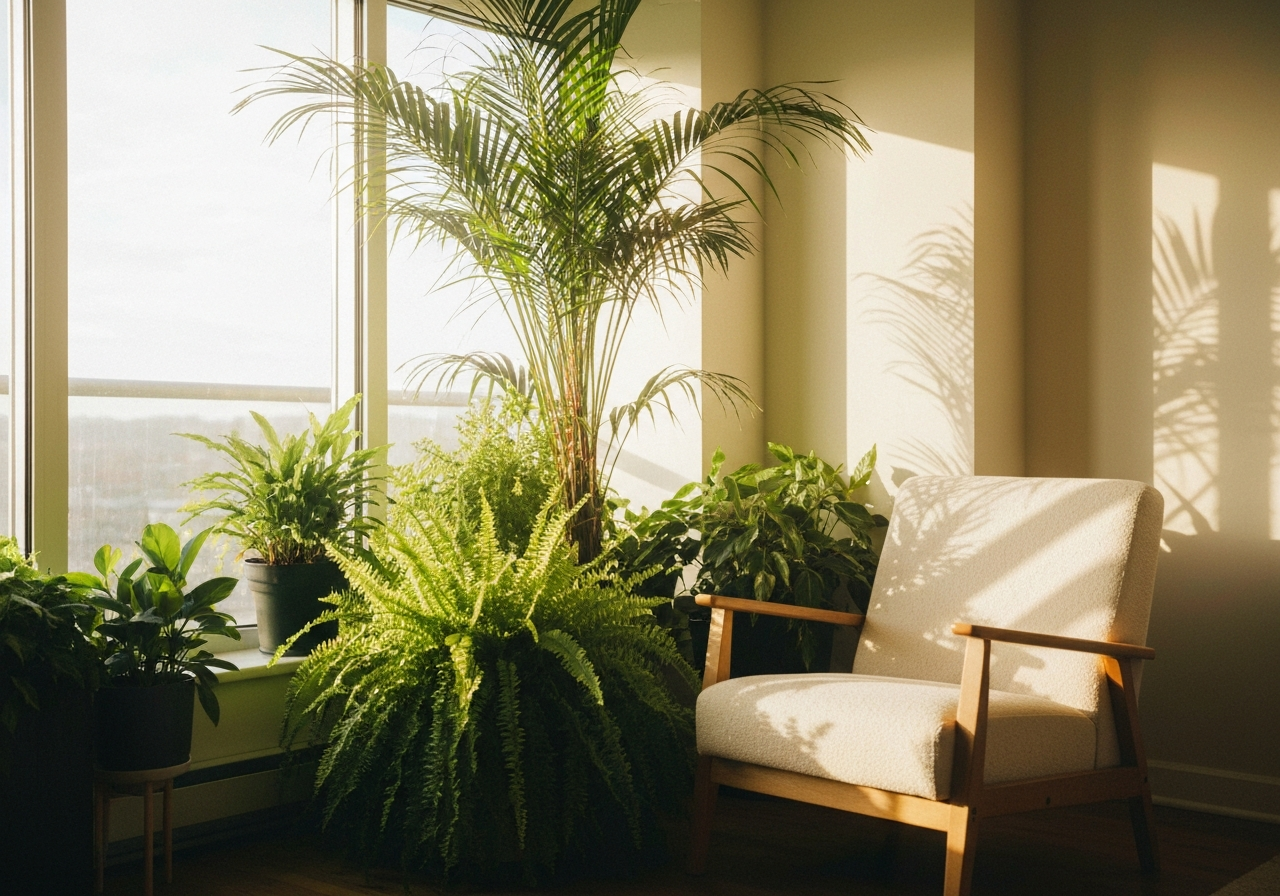
As the summer sun starts beaming down, turning our apartments into personal saunas, the battle for a comfortable living space begins. For renters, the options can feel frustratingly limited. We can’t install a new, energy-efficient air conditioning unit or plant a giant shade tree outside our window. But what if I told you that you could create a refreshingly cool little oasis right inside your home, using something you might already love? I’m talking about plants. By strategically grouping certain types of houseplants, you can create a “cooling station”—a lush, green, and completely natural air conditioner for your favorite corner. So, What Exactly is a Plant Cooling Station? Think of it as more than just a collection of pretty greenery. A plant cooling station is a strategic cluster of specific plants grouped together to maximize their natural cooling power in a concentrated area. It’s not going to chill your entire apartment like a central AC unit, but it will create a tangible microclimate—a pocket of cooler, more pleasant air. It’s the perfect solution for making your reading nook, home office desk, or the spot by your sunniest window feel noticeably more comfortable on a hot day. It’s a beautiful, living, breathing solution that works with your space, not against it. The Simple Science: How Plants Act as Natural Coolers The magic behind this renter-friendly hack lies in a natural process called transpiration. In simple terms, it’s how plants sweat. They pull water up from their roots and then release it as cool water vapor through tiny pores on their leaves, called stomata. When you group several plants together, you’re essentially creating a little humidity hub. This process does two wonderful things: It releases moisture into the air, which has a cooling effect (especially in dry, stuffy rooms). The process of evaporation itself actively cools the air immediately surrounding the plant. Plus, the leaves of larger plants provide a bit of shade, physically blocking some of the sun’s heat. It’s a gentle, quiet, and eco-friendly way to tackle the heat. Build Your Cooling Station: A Renter’s Step-by-Step Guide Ready to create your own green oasis? It’s easier than you think. Here’s how to get started. Step 1: Choose Your Spot First, identify a “hot spot” in your apartment that could use some relief. This might be next to the couch where you relax in the afternoon, the area around your work-from-home desk, or a corner near a west-facing window that gets blasted with sun. Keep the light conditions of that spot in mind—this will be crucial for choosing the right plants. Step 2: Pick Your Powerhouse Plants Not all plants are created equal when it comes to transpiration. You want to look for plants with large leaves and a thirst for water. Here are some of the best, most renter-friendly options: Areca Palm (Dypsis lutescens): Often called a “living humidifier,” this palm has a high transpiration rate and is fantastic for adding a tropical, cooling vibe. Snake Plant (Dracaena trifasciata): Incredibly low-maintenance and tolerant of low light, the Snake Plant releases oxygen at night and still contributes to cooling during the day. A perfect starter plant! Rubber Plant (Ficus elastica): With its large, glossy leaves, the Rubber Plant is a transpiration champion. The bigger the leaves, the more cooling moisture it can release. Boston Fern (Nephrolepis exaltata): Ferns thrive on humidity and are excellent at adding it back into the air. They create a lush, cool feeling wherever they are placed. Peace Lily (Spathiphyllum): Known for its beautiful white flowers and broad leaves, the Peace Lily has a high transpiration rate and will even droop to let you know when it’s thirsty. Step 3: Arrange for Maximum Impact Don’t just line your plants up. Cluster them together! Grouping them close creates a pocket of humidity that benefits all the plants and enhances the cooling effect in that zone. Play with different heights to create a fuller look and ensure all plants get adequate light. Use small stools, side tables, or a multi-tiered plant stand to elevate some plants and tuck smaller ones below. Step 4: Add a Simple Water Element For an extra boost, place a shallow tray or dish filled with pebbles and water in the middle of your plant cluster. This is called a pebble tray. As the water evaporates from the tray, it will increase the ambient humidity right where you need it most, complementing the work your plants are already doing. Keeping Your Cooling Station Thriving To get the most out of your green AC, keep your plants happy and healthy. A well-cared-for plant is an effective cooling plant. Water Wisely: Since transpiration relies on water, make sure your plants are consistently moist (but not waterlogged). A thirsty, wilting plant can’t cool the air. Mist Them: Give your plants’ leaves a light misting with a spray bottle on particularly hot days. This gives them a direct humidity boost and feels refreshing. Keep Leaves Clean: Gently wipe down dusty leaves with a damp cloth every few weeks. Dust can clog their pores (stomata), reducing their ability to transpire effectively. Creating a plant cooling station is more than just a clever rental hack; it’s a way to connect with nature, purify your air, and add stunning beauty to your space. It’s an empowering, eco-friendly step you can take to make your apartment a more comfortable and peaceful home, one green leaf at a time.
Beat the Heat: How to Create a Natural Plant “Cooling Station” in Your Renter-Friendly Apartment