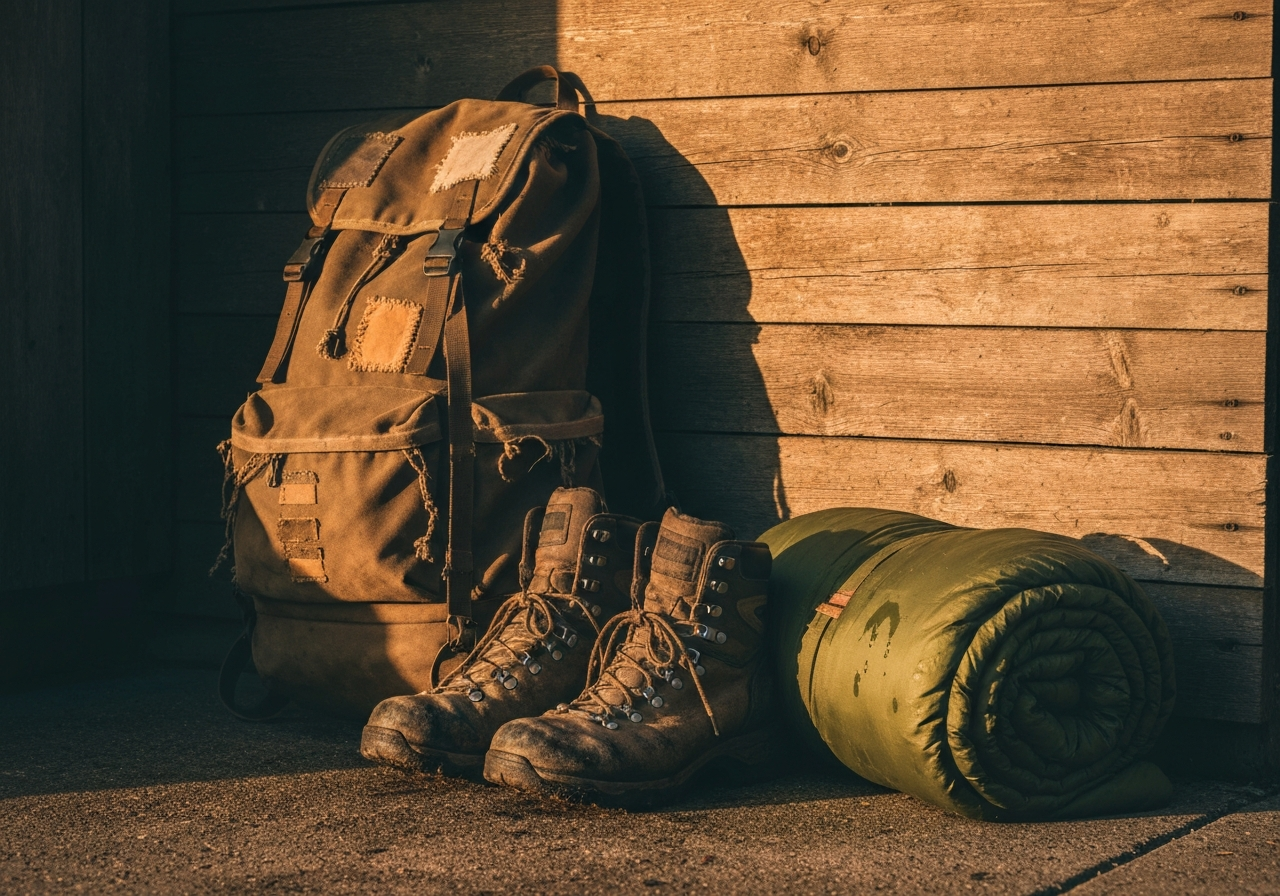
The call of the great outdoors is strong. The desire to trade city noise for birdsong and pavement for pine-needle paths is a powerful one. But as renters, especially those of us conscious of our environmental footprint, the barrier to entry can feel high. New, high-quality camping gear is expensive, and its production process consumes a lot of resources. The good news? There’s a thriving world of second-hand outdoor gear just waiting to be discovered. Buying used is the ultimate win-win: it’s gentler on your wallet and the planet, perfect for trying out a new hobby without a huge commitment. Why Buy Used Outdoor Gear? The Eco-Renter’s Advantage Before we dive into where to look, let’s talk about why this is such a smart move for renters. Embracing pre-loved equipment isn’t just about being frugal; it’s a conscious choice that aligns perfectly with a sustainable lifestyle. It’s Budget-Friendly: Let’s be real, renting is expensive. Buying used gear can save you 50-70% off retail prices, making nature more accessible. That high-end tent or backpack that seemed out of reach might be waiting for you on a consignment shelf. It’s Radically Eco-Friendly: Every used item you buy is one less new item that needs to be manufactured, packaged, and shipped. You’re actively reducing demand for new resources, cutting down on carbon emissions, and, most importantly, keeping perfectly good gear out of the landfill. It Supports a Circular Economy: You’re giving a piece of equipment a second, third, or even fourth life. This extends the lifespan of quality goods and shifts our mindset from a “buy and dispose” culture to one of “repair and reuse.” Where to Find the Best Second-Hand Camping Gear Ready to start your treasure hunt? Finding used outdoor gear is easier than you think. You just need to know where to look. Here are our favorite spots, from digital trailheads to local gems. Online Marketplaces: Your Digital Campsite You can find incredible deals without ever leaving your apartment. The key is to be patient and specific in your searches. REI Used Gear: The outdoor retail giant has a fantastic “Good & Used” section online where they sell trade-ins and returns. It’s a reliable source for high-quality, inspected gear from top brands. Patagonia Worn Wear: A pioneer in the circular economy, Patagonia’s Worn Wear program sells repaired and pre-owned Patagonia items. It’s the perfect place to find a legendary fleece or jacket that’s built to last. Geartrade.com: Think of it as an eBay specifically for outdoor enthusiasts. It’s a peer-to-peer marketplace where you can buy and sell used equipment, from skis to sleeping bags. Facebook Marketplace & Craigslist: Don’t overlook these local powerhouses. Set up saved searches for keywords like “camping gear,” “tent,” “Osprey backpack,” or “Jetboil.” You can find amazing deals from people in your own neighborhood. Local Treasures: In-Person Gear Hunting If you prefer to see and touch your gear before buying, there are plenty of local options that often hold the best, un-Googled deals. Outdoor Consignment Shops: These are the absolute goldmines. Stores like Play It Again Sports or local, independent gear consignment shops are staffed by knowledgeable people and stocked with curated, quality equipment. Thrift Stores: While it’s more of a hunt, you can find incredible bargains on basics like wool blankets, cast iron pans, simple daypacks, and hiking clothes at places like Goodwill or Salvation Army. Garage Sales & Estate Sales: Keep an eye out for sales in outdoorsy neighborhoods, especially at the end of a season. You might find a whole box of camping supplies from someone who is moving or upgrading. Your Pre-Purchase Inspection Checklist Once you’ve found a potential piece of gear, a quick inspection is crucial. You want to make sure your great deal is actually a great piece of equipment. Tents & Shelters Ask to set it up if possible! Check the fabric for any tears or holes. Look at the zippers to ensure they run smoothly. Inspect the seam tape (the plastic-y strips on the inside seams) for peeling or flaking. Finally, make sure all the poles and stakes are present and not bent. Sleeping Bags & Pads For a sleeping bag, check the zipper and give it a good fluff. Does it still have good “loft,” or does it feel flat and compressed? For an inflatable sleeping pad, ask the seller if you can inflate it to check for slow leaks. Backpacks Test every single buckle and clip to make sure it fastens securely. Pull on the shoulder straps and hip belt to check the integrity of the seams. Open and close every zipper to ensure they don’t snag. A Quick Note on Safety Gear While we champion buying used, there are a few items where it’s best to buy new for safety reasons. We strongly recommend buying new for items like climbing ropes, harnesses, and helmets. The history of this gear is unknown, and damage (like micro-fractures in a helmet) can be invisible to the naked eye. Your safety on the trail is paramount. Outfitting your next adventure doesn’t have to mean draining your bank account or compromising your values. By choosing second-hand, you’re making a sustainable choice that’s smart, affordable, and full of character. So get out there and start hunting—your next pre-loved piece of gear is waiting to continue its story with you.
The Eco-Renter’s Guide to Finding Second-Hand Camping and Outdoor Gear