Myth-Busting Smart Homes: 7 Common Misconceptions Renters Have About Sustainable Tech
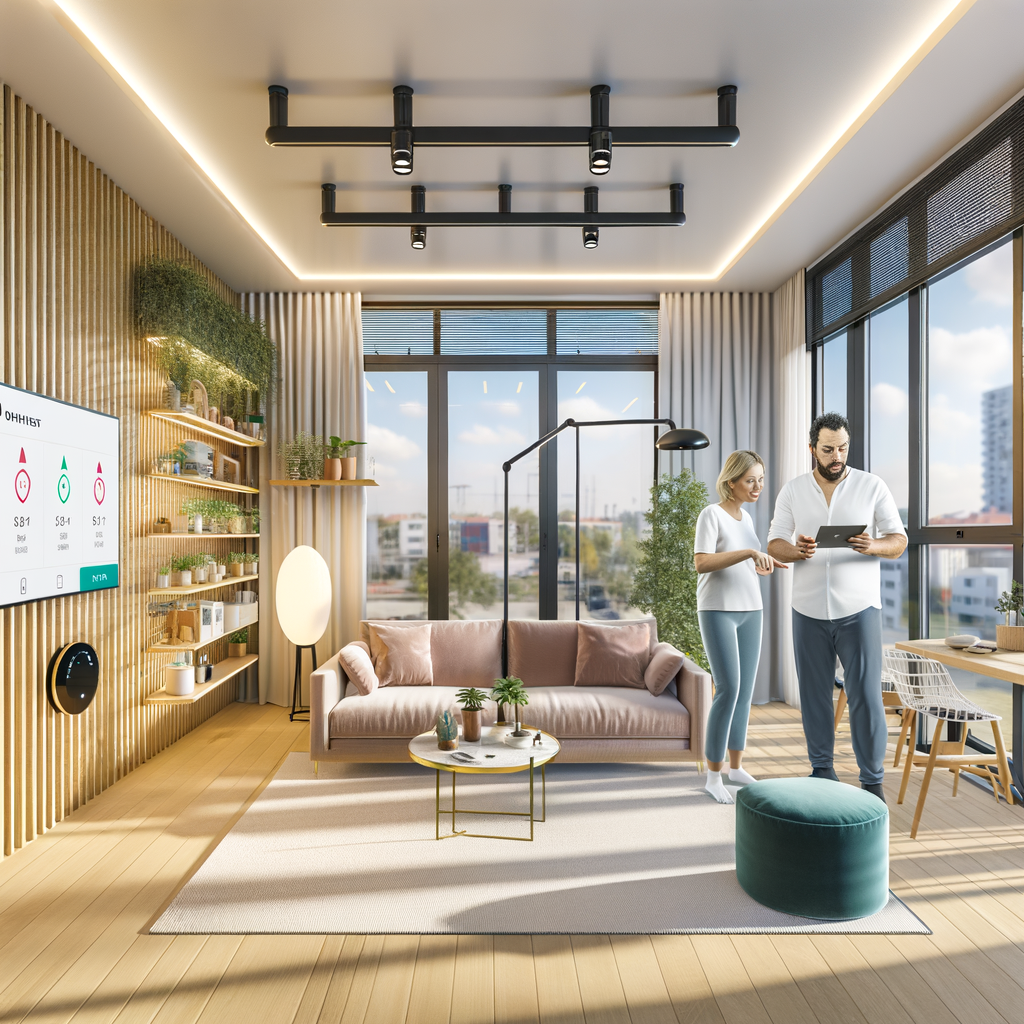
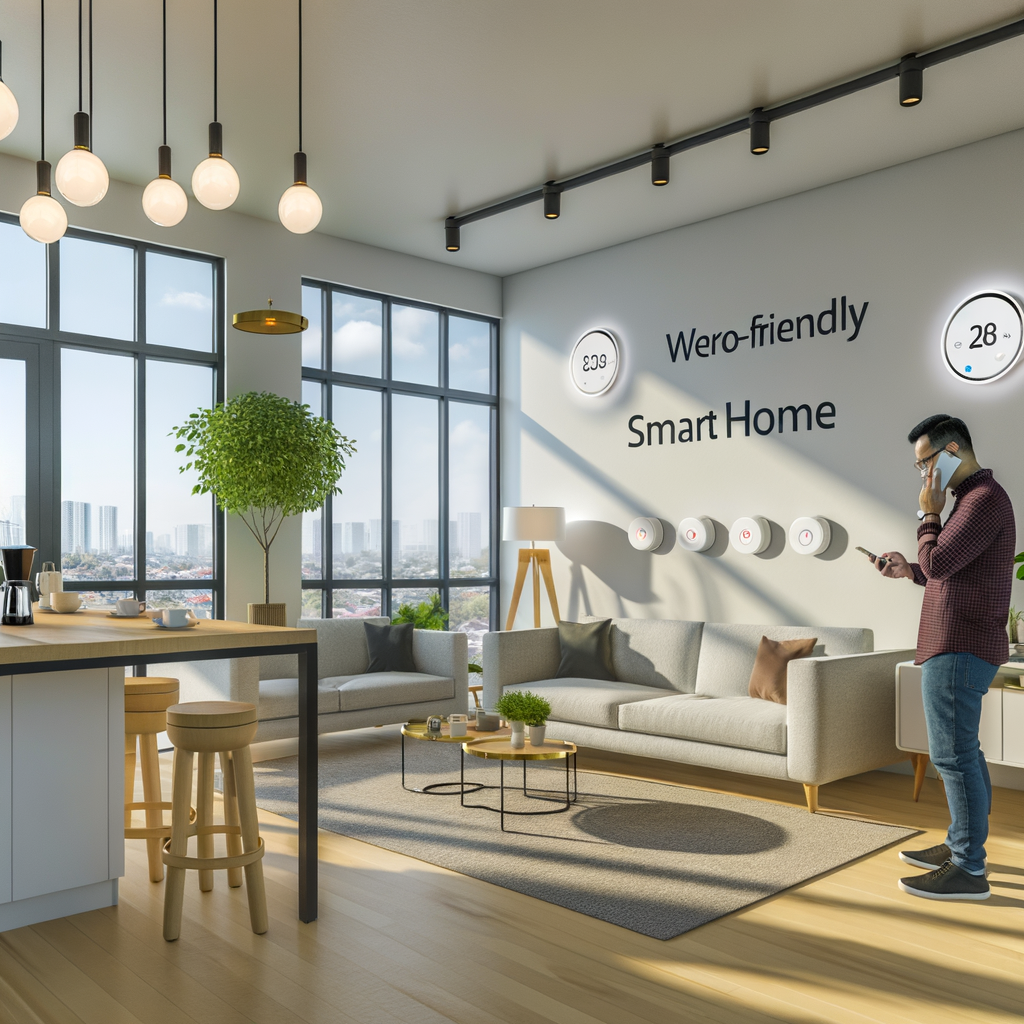
Smart home technology and sustainability are two concepts that seem tailor-made for one another. However, many renters believe that smart, eco-friendly living is reserved for homeowners or tech enthusiasts with unlimited budgets. In reality, incorporating sustainable smart home tech is easier and more accessible than most renters think. Let’s dispel the most common myths—and show you how to save money, reduce your carbon footprint, and boost comfort in your rental home.
1. Myth: “Smart Home Tech Isn’t Compatible With Rentals”
Many renters fear that their status as non-homeowners puts smart tech—and all of its sustainable benefits—out of reach. This simply isn’t true.
Why This Myth Persists
- Perception that installations are permanent
- Worries about violating lease agreements
- Assumption that landlords won’t allow any upgrades
Reality: Smart Tech for Any Lease
- Portability: Most smart devices (like plugs, bulbs, and thermostats) are plug-and-play or easily removable.
- Non-invasiveness: Many sustainable devices require zero drilling or wiring modifications.
- Landlord Negotiation: Landlords often approve upgrades that improve the property or lower energy bills—especially if you agree to remove devices at move-out.
Action for Renters: Stick to products that don’t require altering wiring or permanent installation. Always check your lease, and keep open communication with your landlord.
2. Myth: “Sustainable Smart Devices Are Too Expensive”
Tech upgrades tend to get a bad rap for high up-front costs. Cost concerns deter many renters, especially those on a tight budget.
The Truth About Affordability
- Accessibly Priced Options: Entry-level smart plugs, bulbs, and thermostats can cost less than a single night out.
- Long-Term Savings: Devices like smart power strips or programmable thermostats frequently pay for themselves within months via reduced utility bills.
- Gradual Upgrades: You don’t need to tech out your entire space overnight—start with one or two devices that target your biggest energy drains.
Look out for rebates from your local utility company—these often offset part of the cost on energy-saving gadgets.
Action for Renters:
- Prioritize high-impact, low-cost upgrades like LED smart bulbs or smart power outlets.
- Calculate potential monthly savings to determine your payoff window.
- Check for discounts or trade-in programs for older equipment.
3. Myth: “You Need to Be Tech-Savvy to Use Smart Home Devices”
Tech can be intimidating, but most modern smart home devices are designed for everyday users—not just Silicon Valley insiders.
User-Friendliness at the Core
- Straightforward Setup: Devices typically come with easy apps, step-by-step instructions, or even QR code set-ups for instant pairing.
- Voice Control: Most devices are compatible with virtual assistants like Alexa or Google Assistant, allowing hands-free management.
- No Complex Wiring: Popular gadgets often plug into a standard outlet or screw into a light socket—no electrician required.
Practical Advice
- Start with plug-and-play products such as smart plugs or bulbs.
- Watch a YouTube setup video for your device model—visual walkthroughs can ease anxiety.
- Leverage customer support if you hit a snag—manufacturers know renters are a key audience!
By sticking to beginner-friendly products, you’ll find that most sustainable smart home upgrades require little more than a smartphone and a Wi-Fi connection.
4. Myth: “Smart Tech Uses Too Much Energy to Be Sustainable”
Some renters are skeptical: if smart gadgets are always “on” and connected, how could they possibly be good for your energy bills?
Fact: Smart = Smarter Energy Use
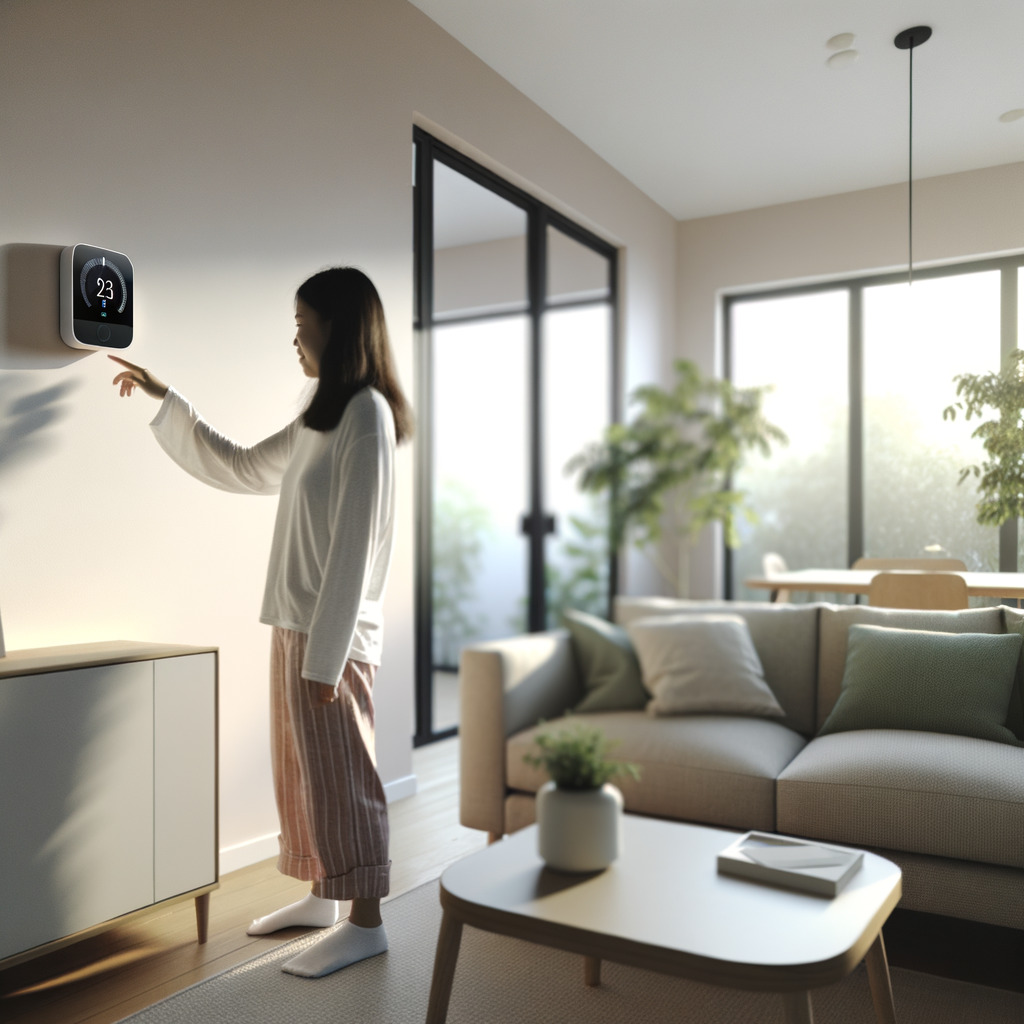
- Optimized Control: Devices like smart thermostats and lighting track your usage and adjust automatically, maximizing savings and reducing waste.
- Standby Energy: Most reputable devices draw minuscule standby power—often less than a nightlight.
- Biggest Gains: Smart power strips prevent “phantom load” from electronics, and smart climate control can slash heating/cooling bills by up to 23%.
How to Maximize Efficiency
- Schedule devices to turn off when not needed
- Enable “Eco” modes and away features
- Monitor real-time usage via app analytics
Most renters will reduce their total household energy use once they start taking advantage of what smart devices offer.
5. Myth: “Renters Can’t Benefit from Smart Security or Automation”
Security, comfort, and automation aren’t just for homeowners. Modern smart tech opens up new, non-permanent solutions designed for renters.
Renter-Friendly Security and Automation
- Wireless Security Cameras: Lightweight cameras operate on batteries or USB, require no drilling, and can be easily moved to your next apartment.
- Contact Sensors: Stick-on sensors monitor doors and windows for break-ins without altering hardware.
- Automation: Smart plugs and light bulbs can follow schedules, offer remote control, and simulate presence—even in a studio apartment.
Key Takeaways
- Choose adhesive or magnetic mounts for easy removal
- Store original packaging to take devices when you move
- Always test placement to maximize Wi-Fi signal and camera view
6. Myth: “Smart Devices Won’t Work with My Old Rental”
Is your rental all original fixtures, maybe with mismatched outlets and no neutral wires? That’s tough for some electrical upgrades, but not a deal breaker for most smart tech!
How to Handle Old Infrastructure
- Smart Bulbs: Work perfectly in standard lamp sockets—no wiring needed.
- Plug-In Devices: Smart plugs, lamps, and home sensors all use standard wall outlets.
- Battery-Powered Sensors: Great for rentals lacking modern wiring or wall plates.
- Mesh Wi-Fi: Eliminate Wi-Fi dead spots in older buildings with plug-in mesh routers.
Common Compatibility Tips
- Double-check device voltage (most are designed for U.S. homes but always confirm!)
- Look for “no neutral wire required” on smart switch packaging
- Renters in historic units can stick to bulbs, plugs, and portable gadgets
7. Myth: “Smart Home Devices Are a Privacy Nightmare”
Data security is top-of-mind for anyone putting more technology in their home—especially when renting with roommates or in buildings with shared Wi-Fi.
Modern Smart Devices Value Your Privacy
- Encryption: Reputable devices encrypt data and update firmware to patch vulnerabilities.
- Control: App permissions give you full power over what gets shared and stored.
- No Subscriptions Needed: Many climate or lighting products need no ongoing access to the cloud at all.
Protecting Your Data
- Change device passwords after setup—never use default credentials
- Disable unused features like remote access if not needed
- If sharing Wi-Fi, set up a second, private network for smart devices
Look for devices certified for security (for example, with Works with Alexa Guard