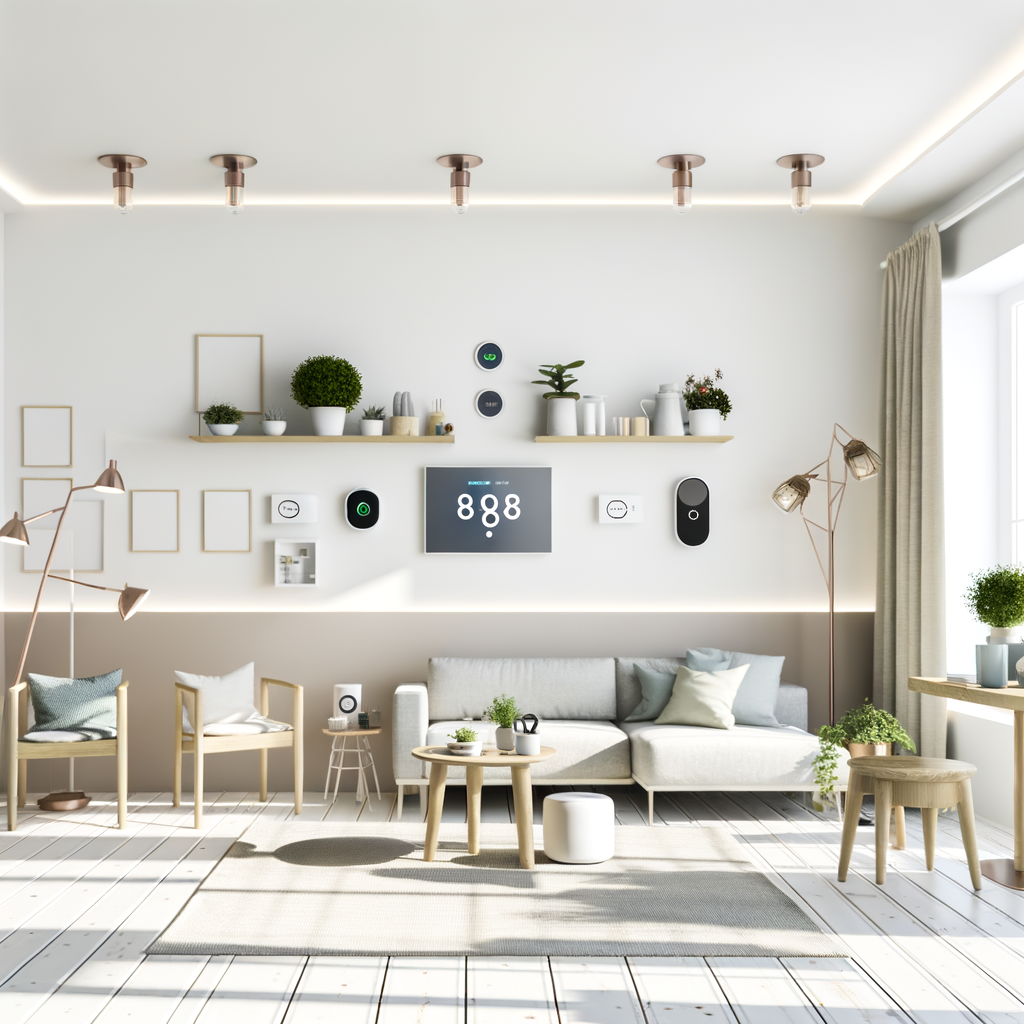
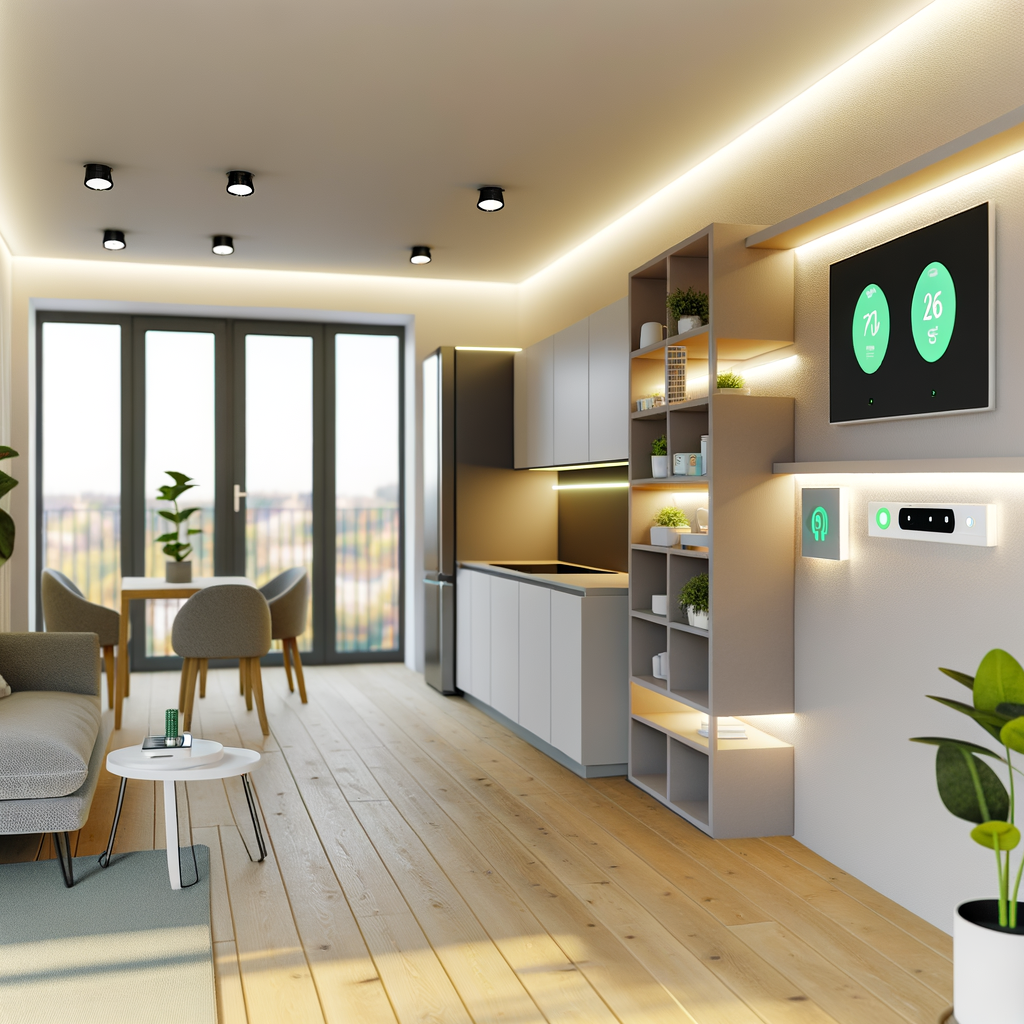
How to Set Up a Smart, Energy-Efficient Apartment on a Budget: A Renter’s Step-by-Step Guide
Are you a renter who dreams of a smarter, more energy-efficient home—but worries about the cost or restrictions of your lease? With the right approach, anyone can create a tech-savvy, eco-friendly apartment without breaking the bank or risking their security deposit. In this comprehensive guide, we’ll walk you through each step of setting up a smart, energy-efficient apartment tailored for renters. Let’s cut your bills, shrink your footprint, and make your home more comfortable—all on a budget.
Why Go Smart and Energy-Efficient?
- Lower Monthly Bills: Smart devices and efficiency upgrades slash your utility costs.
- Positive Environmental Impact: Use less energy and water, reducing your carbon footprint.
- Rental-Friendly Flexibility: Modern devices are easy to install and remove—no tools or landlord approval needed for most!
- Better Comfort and Convenience: Automate routines, control devices with your phone, and monitor your home from anywhere.
Step 1: Assess Your Current Apartment
Before you buy anything, take stock of your current setup. Understanding your space will help you choose the smartest, most cost-effective solutions.
Do a Quick Energy Audit
- Check for Drafts: Around windows, doors, and outlets.
- Inspect Lighting: Are you still using incandescent or CFL bulbs?
- Review Appliances: Which ones are always-on? Are any outdated and energy-hungry?
- Identify High-Use Devices: TV, heater, AC, chargers, and kitchen gadgets.
Understand Rental Restrictions
- Are wall modifications permitted (e.g., installing thermostats)?
- Can you swap bulbs, showerheads, or install smart plugs?
- Are shared or individual meters used for utilities?
Armed with this information, you’ll know where to focus for maximum impact and minimum hassle.
Step 2: Smart Lighting Upgrades
Lighting often accounts for 10-20% of your electricity costs. A few simple updates can dramatically increase efficiency and convenience.
Swap in Smart LED Bulbs
- Easy to Install: Screw them into any standard socket.
- Programmable: Create schedules, adjust brightness, or control remotely via app or voice.
- Efficient: Use up to 85% less energy than incandescents and last 10+ years.
- Popular Options: Philips Hue, Wyze Bulb, Sengled Smart Bulb.
Use Smart Plugs for Lamps
- Plug a regular lamp into a smart plug for remote or scheduled control, even if the bulb itself isn’t smart.
- Group several lights together for easy all-off/all-on routines.
- Most plugs work with Google Assistant, Alexa, or HomeKit—choose what fits your ecosystem.
Install Stick-On Motion Sensors (Optional)
- Battery-powered motion sensors trigger lights (no wiring, no wall damage).
- Perfect for hallways, closets, or bathroom night lights.
Step 3: Master Temperature and Air Quality
Heating and cooling are the biggest energy hogs in most apartments. Smart upgrades keep you comfortable and save cash—without violating your lease.
Renter-Friendly Smart Thermostats
- Check compatibility: Many landlords don’t allow hardwired thermostat changes, but no-wiring wireless models are available (check out Wyze Thermostat for simple installs).
- Look for models that mount over your current thermostat or offer easy, reversible installation.
Smart AC and Heater Controllers
- Plug-in smart outlets: Control space heaters or portable ACs with a smart plug for schedule and remote shut-off.
- AC “smart kits”: Devices like the Sensibo Sky control most window ACs via infrared—no permanent changes needed.
Air Quality Sensors
- Use affordable smart sensors to monitor humidity, VOCs (volatile organic compounds), and particulate matter.
- Link your sensor to a smart plug fan or purifier for automatic, on-demand operation.
Step 4: Upgrade Appliances and Power Devices
Renters have limited appliance options, but you can still reduce wasteful usage and make your kitchen smarter.
Install Smart Power Strips
- Replace old power strips with smart versions to schedule or remotely power off TVs, game consoles, chargers, or kitchen gadgets.
- Cut “phantom power” draws—that wasted electricity from devices in standby.
- Look for strips with USB charging ports to consolidate outlets.
Use Plug Meters to Spot Energy Hogs
- Plug-in energy meters (Kasa, Kill A Watt) reveal which devices are using the most electricity.
- Prioritize upgrading or unplugging the worst offenders.
Choose Compact, Efficient Appliances
- When buying (or negotiating with your landlord), opt for Energy Star appliances—especially fridges and dishwashers.
- Favor induction cooktops, air fryers, or microwave ovens for small or shared kitchens—they use less energy than ovens or stovetops.
Step 5: Smarten Up Water Usage
Water efficiency is often overlooked, but smart products here save both water and the energy used for hot water.
Install a Low-Flow Smart Showerhead
- Choose a model that displays temperature or incorporates a timer.
- Easy to swap: Most screw on and off by hand, so you can take them with you when you move.
Add Faucet Aerators
- Simple, cheap screw-on aerators reduce flow while keeping pressure high. Look for WaterSense-certified models.
- Some have flow rate monitors or reminders for extra smart functionality.
Monitor Leaks with Water Sensors
- Place small battery-operated leak detectors under sinks, near toilets, dishwashers, or your washer.
- Get smart sensors that send phone alerts at the first sign of a leak—perfect for renters who can’t always be home.
Step 6: Automate and Optimize with a Smart Hub
Ready to tie everything together? While you can control most devices with your phone, a smart speaker or hub takes your apartment to the next level.
- Voice Control: Use Alexa, Google Assistant, or Apple HomePod to manage lighting, plugs, and more hands-free.
- Scenes and Routines: Group devices for routines like “goodnight” (all off) or “movie time” (dimmed lights, AC on).
- Cross-Brand Compatibility: Hubs integrate products from multiple manufacturers, so you aren’t locked into a single brand.
Popular Renter-Friendly Hubs
- Amazon Echo Dot or Nest Mini (small, affordable, no mounting).
- Samsung SmartThings for those looking for broad automation possibilities.
Step 7: Seal the Leaks (Without Losing Your Deposit)
A big part of being energy-efficient in an old apartment is stopping leaks—of heat, cold, or air.
Draft-Proofing Made Easy
- Weatherstripping for windows/doors (removable, non-damaging foam strips are best).
- Door sweeps you can