How to Create an Energy-Efficient Smart Apartment on a Budget: A Renter’s Step-by-Step Guide
Would you like to shrink your energy bills, live more sustainably, and enjoy cutting-edge comfort—all without being a homeowner? Good news: creating an energy-efficient smart apartment is fully possible for renters, and it doesn’t require a major investment or alterations that risk your security deposit.
This comprehensive, step-by-step guide delivers practical, actionable strategies for eco-conscious renters looking to build a smart, energy-saving home. Discover which budget-friendly gadgets and proven habits will boost efficiency, along with tips tailored for apartment dwellers.
Why Prioritize Energy Efficiency in Your Apartment?
Before diving in, understand the perks of prioritizing energy efficiency and smart tech:
- Lower monthly bills: Use less electricity and water, so your costs drop.
- Modern convenience: Control your home with your smartphone or voice commands.
- Small environmental footprint: Reduce waste and resource use.
- Improved comfort: Say goodbye to drafty rooms, gadget overheating, and bad lighting.
- Future-proof living: Enjoy adaptable tech as new solutions emerge.
Let’s jump into the step-by-step process for transforming your rental into a smart, efficient sanctuary.
Step 1: Assess Your Current Energy Use
Discover Where You’re Wasting Energy
Start small: pull up your utility bill to track baseline usage. Most renters see spikes from:
- Lighting that’s left on or uses inefficient bulbs
- Older or inefficient appliances running constantly
- Drafty windows and doors leaking HVAC energy
- Idle electronics and “energy vampires” (devices drawing standby power)
Track Down the Biggest Culprits
If you want more details, try these free or inexpensive methods:
- Utility company apps: Some offer breakdowns of your usage.
- Plug-in smart energy monitors: Track which gadgets eat the most power.
- Manual inspection: Feel for drafts, check for old bulbs or appliances, and notice any devices left plugged in all day.
Step 2: Set an Energy-Saving Budget
You don’t need thousands to make a big impact. Typically, renters can create a smart, energy-efficient apartment for $100–$350. Here’s how to set a practical budget:
- Smart basics (bulbs, plugs, strips): $10–$80
- Smart thermostat or sensors: $40–$150
- Weatherproofing/removable insulation: $15–$50
- Optional extras (smart speaker, monitor): $20–$70
Prioritize the easiest, highest-impact swaps first.
Step 3: Choose Renter-Friendly Smart Devices
Traditional “smart home” tech can require hardwiring, drilling, or replacing appliances—no-go zones for most renters. Fortunately, many plug-and-play options boost energy efficiency and move with you when your lease is up.
1. Smart Plugs and Power Strips
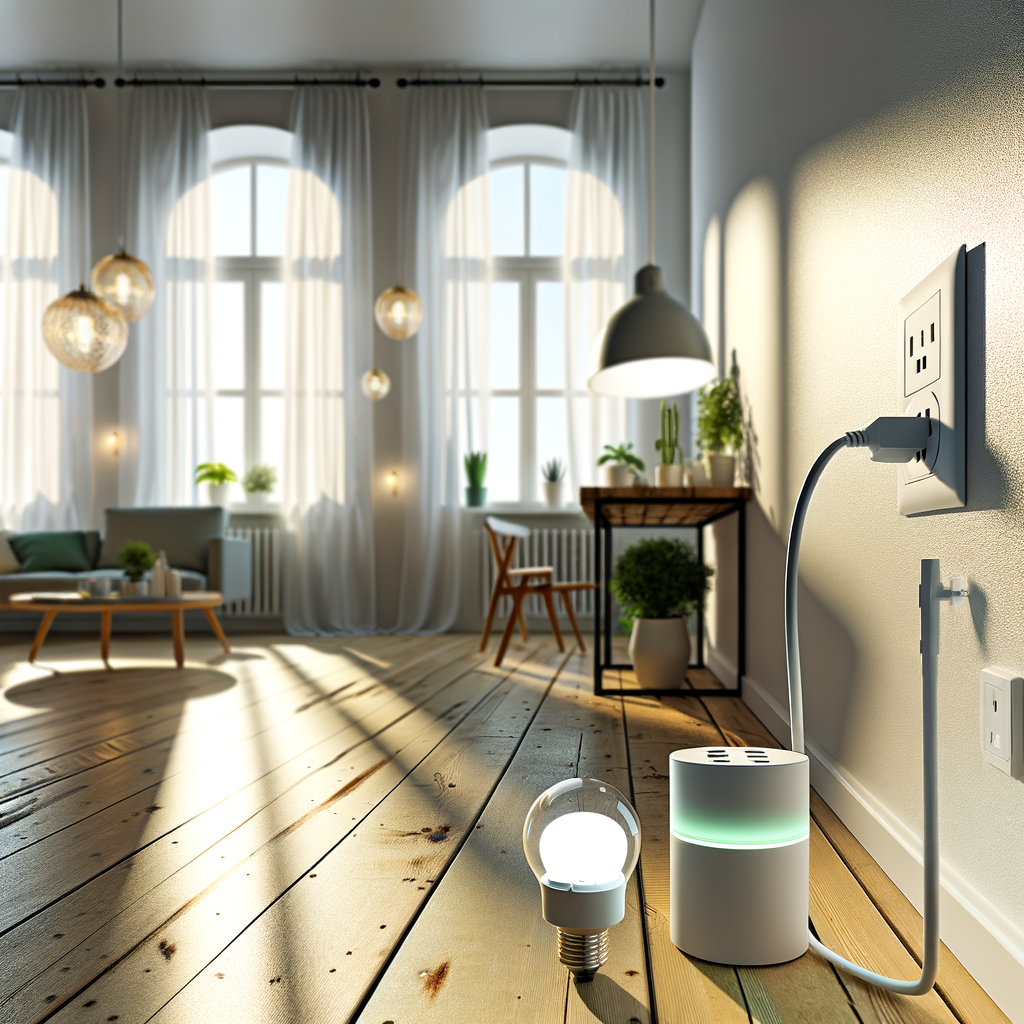
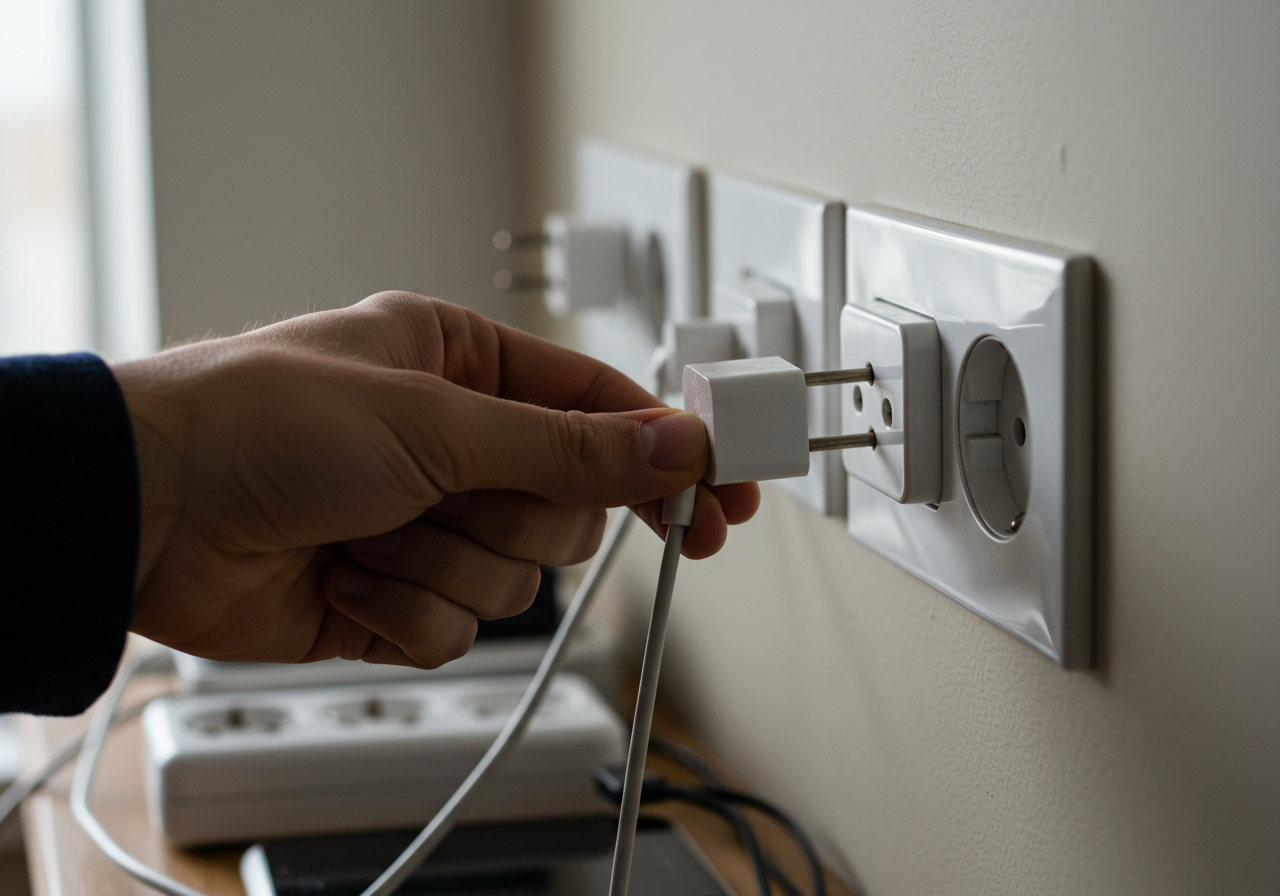
- Plug-in smart plugs let you control lamps, fans, TVs, or kitchen gadgets remotely or on a schedule.
- Advanced power strips stop “phantom” energy drain by cutting power to devices in standby mode.
- Look for compact wifi or Bluetooth models that don’t block outlets.
2. Smart Light Bulbs
- Swap incandescent or CFLs for LED smart bulbs—they use at least 75% less energy and last years longer.
- Control them via app, schedules, or voice (compatible with Alexa, Google, Siri), or use automation for sunrise/sunset.
- Hassle-free installation—just screw in and set up with the app.
3. Portable Smart Thermostat or Temperature Sensors
- Some smart thermostats work with room units (mini splits, portable ACs) or window ACs via plug-in adapters—no need to modify your landlord’s system.
- Alternatively, place smart temperature/occupancy sensors in key rooms to trigger fans or heaters via smart plugs.
4. DIY Security and Leak Detection
- Door/window sensors improve security and alert you to energy-wasting drafts.
- Smart leak detectors prevent costly water waste (ideal for kitchens and bathrooms).
- All mount with adhesive—no holes needed.
Step 4: Upgrade Easy, Low-Cost Energy Wasters
Before investing in more gadgets, tackle these simple changes:
Replace Inefficient Bulbs
- Target your most-used light fixtures first (living room, kitchen, desk lamps).
- Switching to ENERGY STAR LEDs can reduce lighting costs by up to 90% in those areas.
Seal Drafts for Cozy, Efficient Comfort
- Use removable weatherstripping (foam tape) or draft stoppers around leaky windows and doors.
- Insulate window AC units with temporary covers during winter or off-seasons.
- Don’t forget sliding doors or mail slots—any air leak wastes heating/cooling.
Automate Your Environment
- Set smart bulbs and plugs on schedules to mimic “away” mode, saving energy when you’re not home.
- Geo-fencing features in phone apps can trigger routines based on your location.
Step 5: Smart Control—Master Apps and Automations
The real savings come from using your devices together for maximum efficiency:
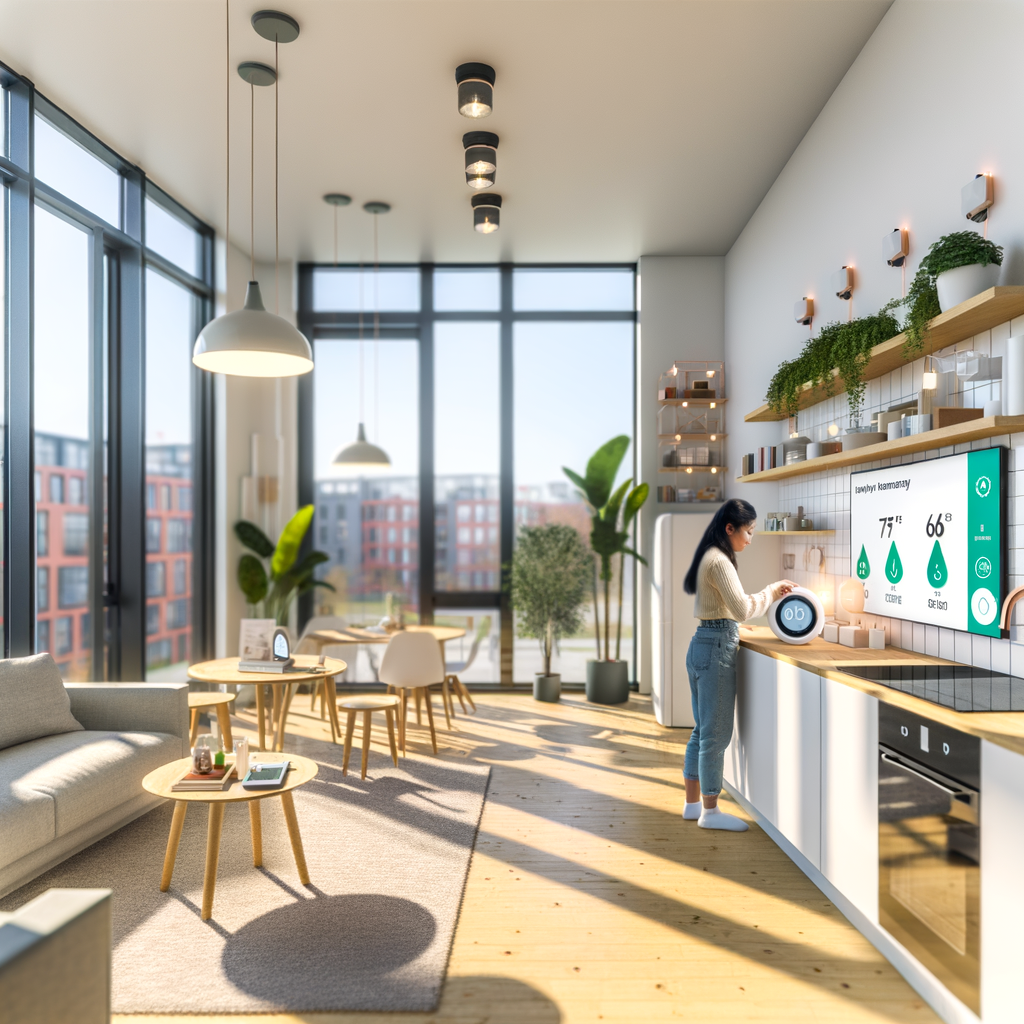
- Centralize control with a free app such as Google Home or Alexa, or a voice assistant for hands-free options.
- Experiment with routines: Set everything to power down when you leave, and turn on only the essentials when you’re home.
- Monitor usage through energy reports from your smart plugs/strips. Identify new areas for savings.
Step 6: Optimize Appliances and Water Usage
While renters often can’t replace appliances, you can make them run more efficiently:
Maximize the Efficiency of What You Have
- Run only full loads in the dishwasher or laundry machine.
- Use cold water settings to cut water heating costs.
- Unplug or use a smart plug for entertainment and kitchen appliances when not in use.
- Regularly clean refrigerator coils and defrost freezers to reduce energy usage.
Step 7: Build Energy-Saving Habits
Smart tech helps most when paired with simple, mindful habits:
- Turn off lights and fans when leaving rooms—even better, automate with motion sensors.
- Air-dry clothes or dishes when possible.
- Keep blinds closed on hot days and open during winter sun for passive climate control.
- Set your heating/cooling system to energy-saving temperatures (68°F in winter, 78°F in summer is ideal).
Step 8: Communicate with Your Landlord
If your apartment is drafty, the windows are ancient, or appliances are breaking down, don’t hesitate to discuss upgrades with your landlord. Many property managers will handle basic improvements (like weatherstripping or efficient bulbs)—it saves them money, too!
- Frame requests as property value upgrades and bill-saving opportunities.
- Share a brief summary of the benefits or even offer to install temporary upgrades yourself.
Step 9: Packing Up? Take Your Tech With You
One major advantage of a renter-friendly smart apartment: every upgrade comes with you. When your lease ends, pack away:
- Smart plugs, bulbs, and strips
- Portable sensors or leak detectors
- Removable insulation and draft stoppers