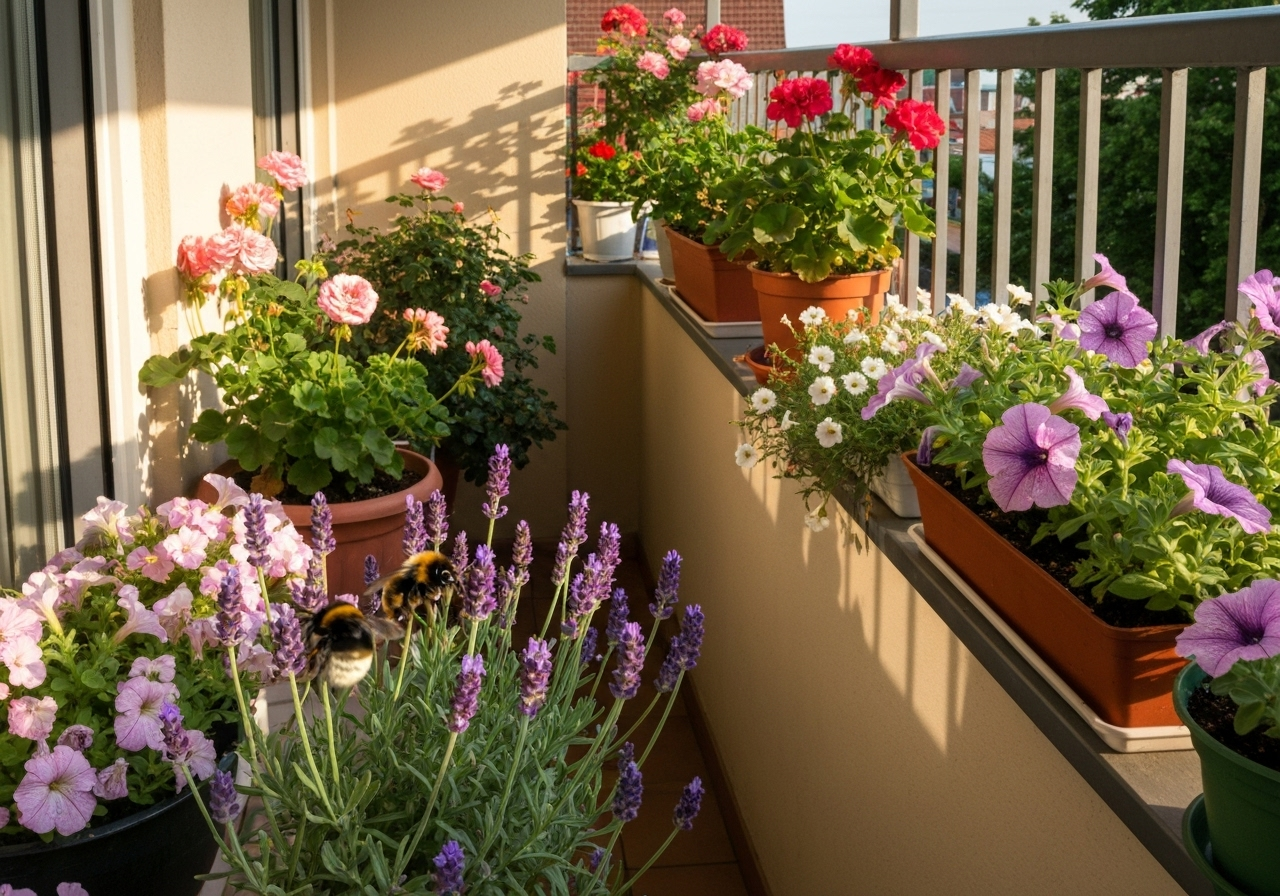
Living the renter life often means making peace with limitations. You can’t knock down a wall for that open-plan dream, and major landscaping is definitely off the table. But what if you could turn your small slice of the outdoors—your balcony—into a vibrant, life-sustaining oasis? Creating a pollinator-friendly balcony garden is one of the most impactful and rewarding things you can do as an eco-friendly renter. It’s your chance to directly support bees, butterflies, and other crucial creatures, all without ever picking up a hammer or violating your lease agreement. You don’t need a sprawling yard to make a difference. In fact, urban balconies can act as vital stepping stones, or “pollinator pathways,” helping insects navigate the concrete jungle. Your small space can be a crucial refueling station. Let’s get started on building one. First, Understand What Pollinators Need Creating a welcoming space for pollinators isn’t just about planting pretty flowers (though that’s a huge part of it!). A truly successful pollinator haven provides three key things: food, water, and shelter. The great news is that all three are completely achievable on a balcony. Food: This means pollen and nectar from a variety of flowering plants. Water: A safe place for thirsty insects to drink without the risk of drowning. Shelter: A spot to rest, nest, and hide from predators or bad weather. Choosing the Perfect Pollinator Plants for Pots The heart of your garden is the plants! When you’re working with containers, you want to choose plants that are both hardy and high-value for pollinators. A great strategy is to select a variety of plants that bloom at different times from spring through fall, ensuring a consistent food supply. Look for native plants whenever possible, as they are best adapted to your local climate and pollinators. Flowers for Nectar and Pollen These are the all-stars that will attract a wide range of visitors, especially bees and butterflies. Lavender: A classic for a reason! It’s drought-tolerant, loves full sun, and is an absolute magnet for bees. Coneflower (Echinacea): Sturdy, beautiful, and a favorite of butterflies and bees. Look for compact varieties perfect for pots. Salvia: With its long, tubular flowers, salvia is irresistible to hummingbirds and long-tongued bees. Marigolds and Zinnias: Easy to grow from seed, these annuals provide a season-long burst of color and food. Aster: A fantastic choice for late-season color, providing crucial food for pollinators preparing for winter. Herbs: The Multitasking Powerhouses Many herbs are fantastic for pollinators, and you get to enjoy them in your kitchen, too! It’s a true win-win. Chives, Thyme, and Oregano: If you let these herbs flower, they produce delicate blossoms that small native bees adore. Borage: Its beautiful blue, star-shaped flowers are like a buffet for bees. Plus, the flowers are edible for you! Mint (in its own pot!): Bees love mint flowers. Just be sure to plant it in its own container, as it’s a very aggressive spreader. Beyond the Blooms: Water and Shelter Once you have your food sources planned, adding water and shelter will elevate your balcony from a simple flower box to a five-star resort for pollinators. Create a Bee Bath This is the easiest and most important feature you can add. Forget complex fountains. All you need is a shallow dish or saucer. Fill it with pebbles, marbles, or small stones, and then add just enough water so that the tops of the stones remain dry. This gives bees and other insects a safe place to land and drink without falling in. Refresh the water every day or two to keep it clean. Provide Shelter and Nesting Spots Many native bees are solitary and don’t live in hives. They look for small tunnels or cavities to lay their eggs. You can easily help them by: Adding a small “bee hotel”: You can buy or make these simple structures, which are essentially bundles of hollow reeds or bamboo stalks in a frame. Hang it in a spot that gets morning sun and is protected from rain. Leaving some bare stems: At the end of the season, instead of cutting all your dead plant stalks down to the soil, leave a few inches. Some bees will nest in the hollow stems over winter. Tips for the Renter Gardener Keep these limitations and opportunities in mind as you build your pollinator paradise. Go Vertical: Use railing planters, hanging baskets, and stacked pots to maximize your growing space. Mind the Weight: Use lightweight potting mix and plastic or fabric pots to avoid putting too much stress on your balcony structure. Observe Your Sun: Before you buy a single plant, track how many hours of direct sun your balcony gets. Choose plants that match your conditions. Just Say No to Pesticides: This is non-negotiable. Pesticides, even “organic” ones, can be harmful to pollinators. Embrace a few nibbled leaves as a sign of a healthy ecosystem! Your balcony, no matter its size, is a powerful tool for positive environmental change. By starting with just a few pots, you’re not just decorating your space—you’re rolling out a welcome mat for the tiny, essential creatures that keep our world running. Happy planting!
How to Create a Pollinator-Friendly Balcony Garden (Even in a Tiny Apartment)