How to Build a Smart, Energy-Efficient Apartment on a Budget: A Renter’s Step-by-Step Guide
Living in an apartment doesn’t mean you have to compromise on technology or sustainability. With the right approach, you can transform your rental into a smart, energy-efficient home while keeping costs low—and without annoying your landlord.
This step-by-step guide empowers you to make smart choices that tackle your utility bills, reduce your carbon footprint, and boost comfort, all with renter-friendly upgrades.
Why Focus on Smart, Energy-Efficient Upgrades?
Energy efficiency isn’t just about saving the planet (though that matters!); it’s also about:
- Lowering monthly bills
- Improving comfort
- Boosting convenience and control through technology
- Increasing the value of your living experience
And the best part? Many smart home products are designed to be portable, making them perfect for renters.
Step 1: Audit Your Current Energy Use
Before investing, understand where your rental uses the most energy. Focus on:
- Lighting
- Heating and Cooling
- Appliances and Electronics
- Water Usage
Take notes of problem spots like drafty windows, inefficient bulbs, old appliances, or lights left on. A simple spreadsheet or a free app can help track your habits and identify quick wins.
Step 2: Start with Easy, Low-Cost Fixes
Small changes add up. Begin with these renter-friendly upgrades:
Switch to LED Bulbs
- Swap out incandescent and CFL bulbs for LEDs in all fixtures you control.
- Look for ENERGY STAR-rated LEDs for maximum efficiency.
- Most LEDs use at least 75% less energy than old bulbs—and last 10x longer.
Seal Drafts and Block Heat Loss
- Use weatherstripping tape or draft stoppers on leaky windows and doors.
- Add thermal curtains to help regulate indoor temperature.
- All tools are removable and cheap—perfect for renters.
Unplug “Energy Vampires”
- Many electronics draw power even when off (think TVs, chargers, game consoles).
- Plug devices into smart power strips that cut off power to unused gadgets automatically.
Optimize Water Use
- Install low-flow showerheads and faucet aerators. These are remarkably easy to swap and generally don’t require landlord consent.
Step 3: Add Smart Home Devices
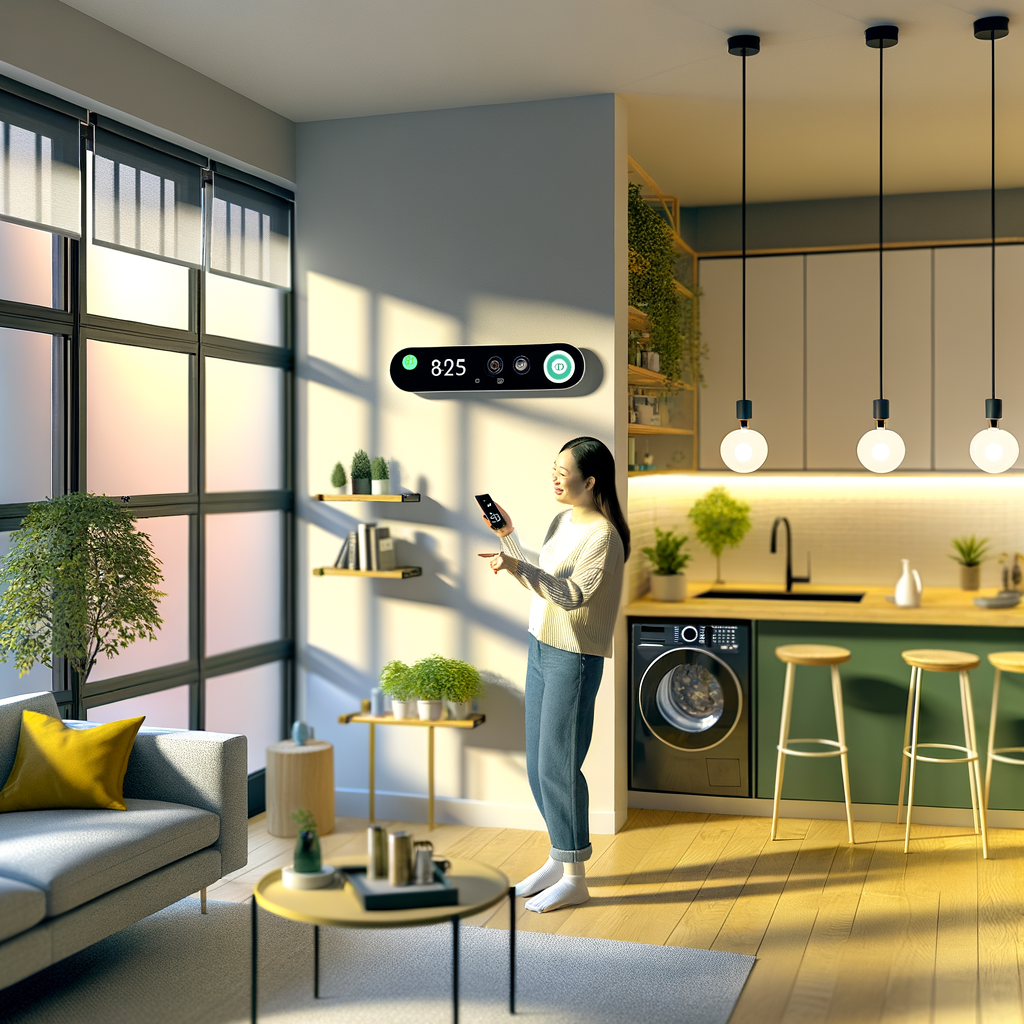
Smart tech isn’t just cool—it can automate energy savings and boost convenience.
Smart Plugs and Power Strips
- Control devices remotely and set schedules.
- Monitor real-time energy use with plug-in meters.
- No installation; just plug and play.
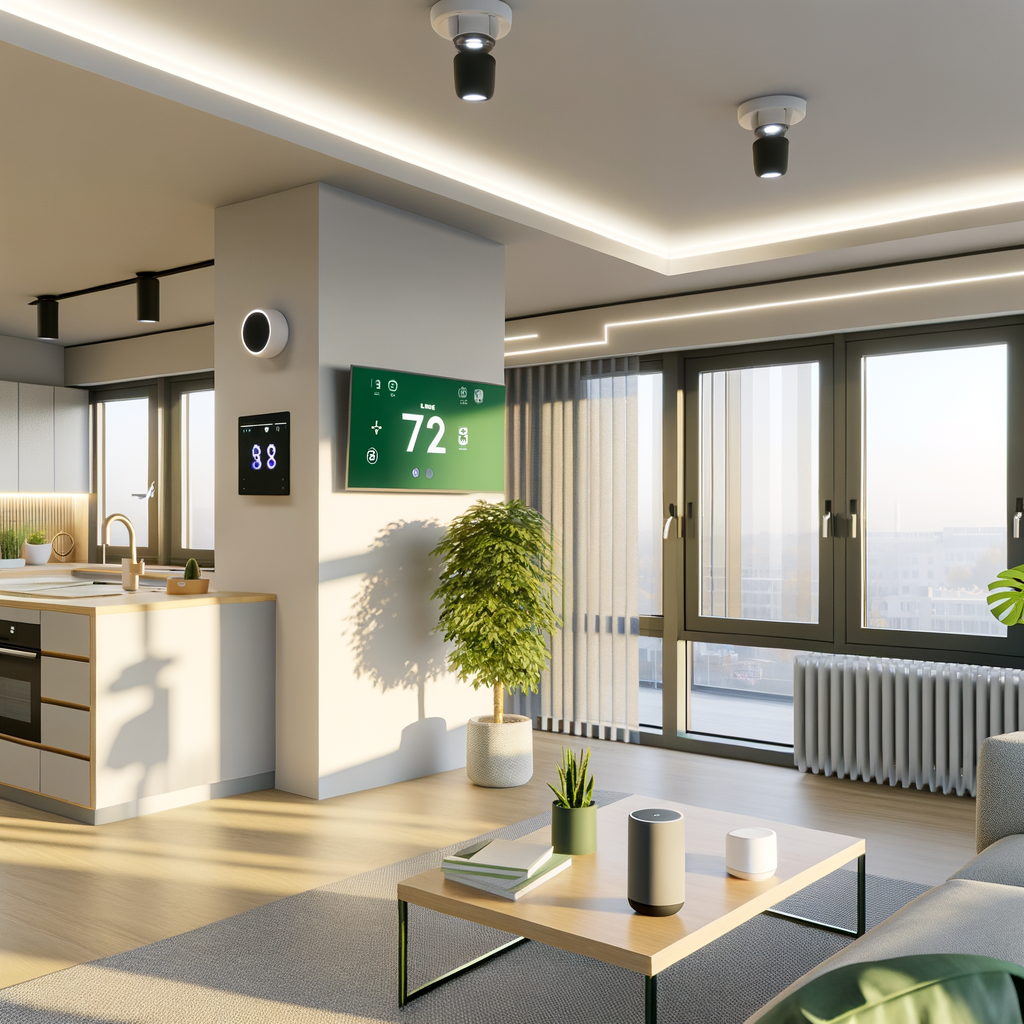
Smart Thermostats
- If your unit has a standalone thermostat, ask your landlord if you can swap it out. Many smart thermostats snap onto existing mounts and can be removed easily when you move out.
- Program schedules or use geofencing to avoid heating or cooling an empty apartment.
- Some portable smart thermostats work with window AC units.
Smart Lighting
- Install Wi-Fi or Bluetooth-enabled bulbs for customized scenes, dimming, and automation.
- Set lights to turn off automatically at set times, or when you leave the apartment.
Voice Assistants
- Pair Google Nest, Amazon Alexa, or Apple HomePod for hands-free control of multiple devices.
- Many smart routines can help optimize your energy use (e.g., turning off all plugs with a voice command as you leave).
Step 4: Use Smart Sensors for Automation
Sensors can make big savings by only using energy when you need it.
Motion Sensors for Lighting
- Install motion sensors in bathrooms, closets, and hallways so lights aren’t left on.
- Battery-powered or plug-in options are easy to install and remove.
Window and Door Sensors
- Get alerts if windows are left open when AC or heat is running.
- Some smart thermostats can pause heating/cooling when a window is open, saving even more.
Step 5: Tackle Larger Upgrades (*With Permission*)
For serious savings (and if your landlord allows), consider:
Upgrade to Efficient Appliances
- If appliances are old and inefficient, ask about upgrades or offer to split the cost for new models.
- Bring your own ENERGY STAR mini fridge or counter-top dishwasher if replacing isn’t an option.
Install a Smart Thermostat (If Possible)
- Smart thermostats can save up to 10% on heating and 15% on cooling.
- Get written landlord permission before swapping hardwired thermostats.
- Remember to keep the original and reinstall it when moving out.
Step 6: Develop Smart Routines and Habits
No device can beat smart behavior! Integrate these habits for lasting change:
- Set consistent schedules for thermostat and lighting.
- Air dry laundry when possible.
- Run full loads in the dishwasher and laundry machines.
- Participate in utility peak-time programs if offered.
- Report leaks and maintenance issues to your landlord quickly.
Step 7: Monitor and Adjust
Track your savings and see what works best. Use insights from energy-monitoring smart plugs, your thermostat app, or even utility company data. Look for:
- Lower energy and water usage month-to-month
- Patterns of high consumption to target further improvements
Celebrate the savings—and reinvest in your smart home for even more impact!
How to Make Upgrades Landlord-Friendly
Concerned about lease rules? Most smart upgrades are temporary and reversible. Here’s how to stay on good terms:
- Ask permission for anything involving wiring or permanent changes.
- Offer written reassurances that you’ll restore anything to its original condition when you leave.
- Highlight the benefits to your landlord—lower utility bills mean happier tenants and less wear and tear.
- Stick to plug-in, adhesive, or removable devices where possible.
Budget Tips for Smart, Energy-Efficient Living
Even on a tight budget, you can make a big difference by:
- Focusing on the biggest sources of waste: old bulbs, poor insulation, heating/cooling inefficiency.
- Prioritizing low-cost, high-impact swaps like LEDs, sensors, and power strips.
- Looking for rebates (many utilities offer instant discounts for efficient products).
- Buying used or refurbished smart home devices.
Quick Reference: Renter-Friendly Smart & Efficient Upgrades
- LED bulbs & smart bulbs
- Smart plugs and power strips
- Motion and window sensors
- Portable smart thermostats (for window ACs)
- Low-flow showerheads & faucet aerators