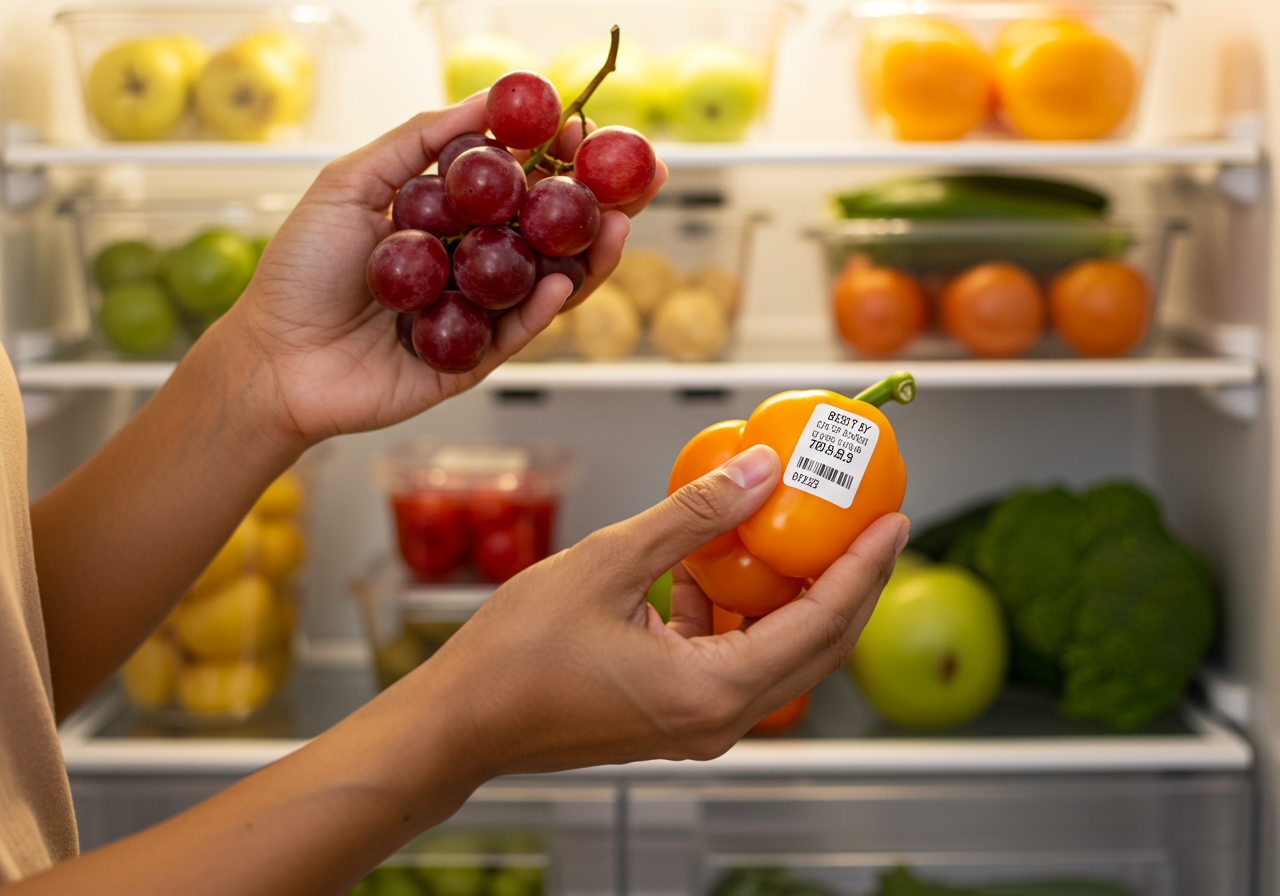
As eco-conscious renters, we’re always looking for ways to minimize our environmental footprint. One powerful yet often overlooked area is food waste. Did you know a significant portion of household waste comes from perfectly good food tossed due to confusion around date labels? Understanding the difference between “Best By” and “Use By” dates can drastically reduce your food waste and save you money – all within the confines of your rental.
Decoding the Date Label Maze
Those seemingly straightforward dates on our food packaging are often a source of major confusion. Let’s break down the two most common labels:
Best By (or Best if Used By)
This date indicates when a product is at its peak quality in terms of flavor, texture, and appearance. It’s not a safety date. Food past its “Best By” date is usually still safe to eat, though its quality might have slightly declined. Think slightly less crunchy crackers or a less vibrant color in your dried fruit.
- Trust Your Senses: Look, smell, and taste the food. If it looks and smells fine, it probably is!
- Proper Storage is Key: Storing food correctly extends its shelf life, even past the “Best By” date. Check out our previous post on maximizing fridge space in your rental for helpful tips.
Use By
This is a safety date. “Use By” dates are found on perishable foods that can spoil quickly and pose a health risk after the specified date. It’s crucial to follow these dates, especially for items like meat, poultry, eggs, and some dairy products.
- Don’t Gamble with Safety: Avoid consuming food past its “Use By” date, even if it looks and smells okay.
- Freezing Can Help: Freeze perishable items before the “Use By” date to extend their life and prevent waste.
Practical Tips for Renters to Minimize Food Waste
Even in a smaller rental kitchen, you can implement simple strategies to combat food waste:
Plan Your Meals
Meal planning is your secret weapon. By knowing what you’ll cook for the week, you can buy only what you need, reducing the chances of food expiring in your fridge.
FIFO Your Fridge
Implement the “First In, First Out” method. Bring older items to the front of your fridge and pantry so they get used first.
Embrace Leftovers Creatively
Don’t let leftovers languish in the back of your fridge. Turn them into new meals! Leftover roasted chicken can become chicken salad sandwiches, and cooked veggies can be added to frittatas or stir-fries.
Compost if Possible
Even if you don’t have a garden, check if your building offers composting facilities or if a local composting program is available. Composting food scraps reduces landfill waste and creates nutrient-rich soil.
Understand Sell-By Dates
While not directly related to safety, “Sell-By” dates are for retailers, indicating how long they can display a product. You can often buy items close to their “Sell-By” date at a discounted price and still enjoy them safely for several days after bringing them home.
Small Changes, Big Impact
By understanding date labels and implementing a few simple strategies, you can significantly reduce food waste in your rental. This not only benefits the environment but also your wallet. Remember, every small step counts toward creating a more sustainable lifestyle.