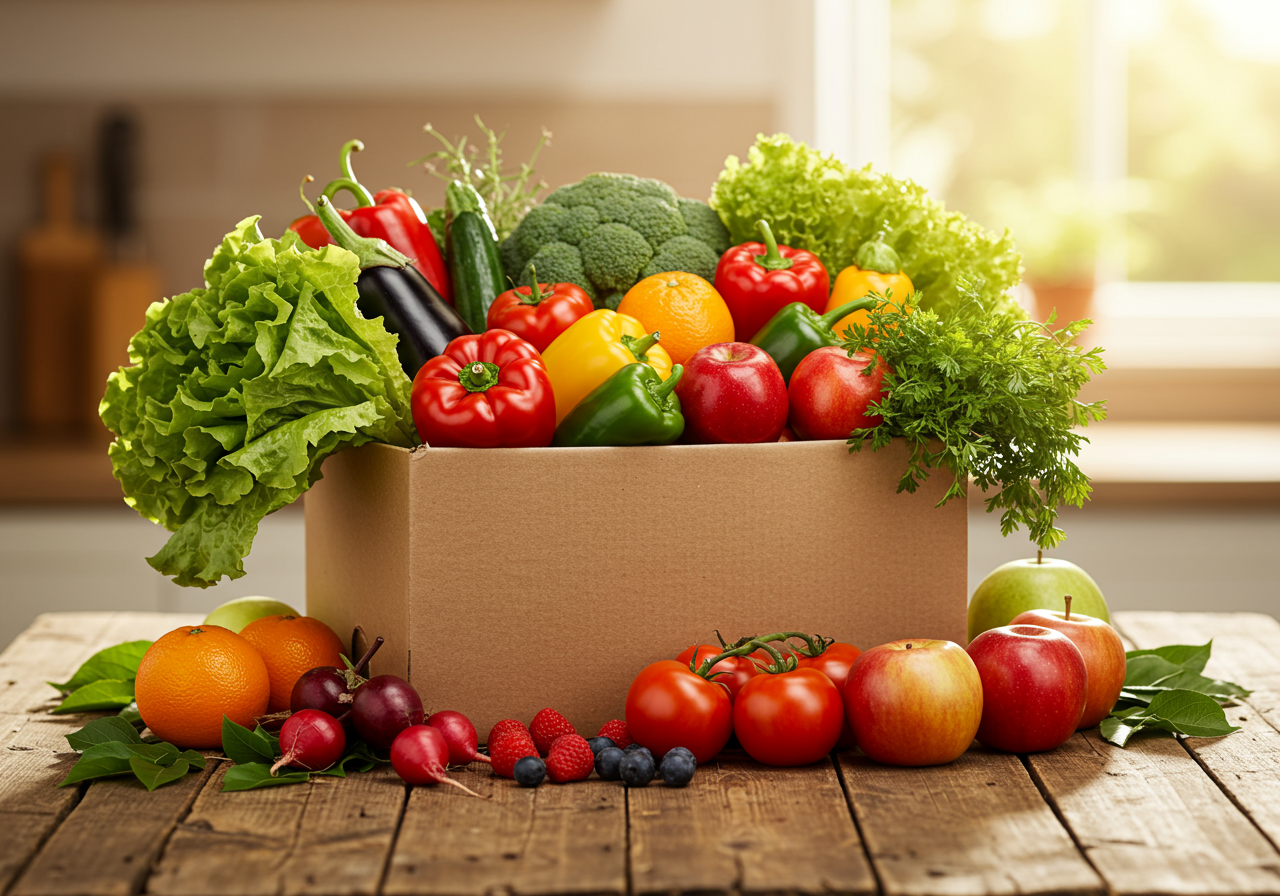
Eating locally and sustainably is a priority for many of us, but as renters, we often face limitations. Lack of garden space and restrictions on renovations can make it feel challenging to connect with our food sources. Enter Community Supported Agriculture, or CSA, programs – a fantastic way to support local farms, access fresh produce, and embrace a more eco-friendly lifestyle, even without a backyard.
What is a CSA Program?
A CSA program is a direct partnership between you and a local farm. By subscribing to a CSA, you essentially become a shareholder in the farm’s harvest. You pay a fee upfront, usually covering a season (spring, summer, fall, or winter), and in return, receive a regular share of the farm’s bounty. This usually comes in the form of a weekly or bi-weekly box filled with seasonal fruits, vegetables, and sometimes other products like eggs, honey, or flowers.
Benefits of Joining a CSA as a Renter:
- Fresh, Local Produce: Enjoy produce picked at its peak ripeness, often within 24 hours of delivery. This means better flavor and more nutrients compared to supermarket produce that’s traveled long distances.
- Support Sustainable Agriculture: CSAs help small farms thrive by providing them with a guaranteed income stream. This allows them to focus on environmentally friendly practices without the pressure of large-scale distribution.
- Reduce Your Carbon Footprint: Eating locally reduces transportation emissions and supports farms that prioritize soil health and biodiversity.
- Discover New Foods: CSAs often introduce you to a wider variety of seasonal vegetables you might not normally buy, encouraging you to expand your culinary horizons and reduce food waste by learning to use everything you receive.
- Connect with Your Community: Many CSAs offer pick-up locations that become hubs for connecting with other members and the farmers themselves.
- Simplified Grocery Shopping: Having a regular supply of fresh produce delivered simplifies meal planning and reduces the need for frequent grocery store trips.
Finding the Right CSA for You:
Finding the perfect CSA is a bit like finding the perfect apartment – it requires some research and consideration of your specific needs. Here’s how to get started:
- Location, Location, Location: Search for “CSA near me” online to find farms in your area. LocalHarvest.org is also a fantastic resource for finding CSAs across the country.
- Size and Share Options: CSAs offer different share sizes, from small shares ideal for individuals or couples to larger shares suitable for families. Consider how much produce you realistically consume to avoid food waste.
- What’s in the Box? Some CSAs focus primarily on vegetables, while others might include fruits, eggs, or other add-ons. Choose a CSA that aligns with your dietary preferences and needs.
- Pick-up Locations and Times: Confirm that the CSA’s pick-up location and schedule work with your routine. Many CSAs offer convenient neighborhood drop-off points.
- Cost and Payment Options: CSA prices vary depending on the farm, share size, and length of the season. Some CSAs offer payment plans to make the upfront cost more manageable.
Making the Most of Your CSA Share:
Once you’ve joined a CSA, proper storage and creative cooking are key to minimizing waste and maximizing enjoyment. Invest in reusable storage containers, learn how to store different types of produce correctly, and explore new recipes to make the most of your weekly bounty.
Joining a CSA is a powerful way to vote with your dollar and support a more sustainable food system. Even without a garden, you can enjoy the benefits of fresh, local produce while fostering a deeper connection to your community and the earth. So, take the plunge and explore the world of CSAs – you might just discover your new favorite way to eat!