Busting the “Landlord Limits Sustainability” Myth: 5 Smart Eco Upgrades Renters Can Actually Make
Many renters think their hands are tied when it comes to making eco-friendly upgrades. With leases, landlord restrictions, and the temporary nature of renting, it can feel impossible to create a sustainable home unless you own the property. But here’s the truth: being a renter doesn’t mean you have to give up on green living. In fact, there are several impactful upgrades and habits you can adopt—with or without your landlord’s permission.
Let’s dispel the myth that “landlords limit sustainability” and explore five smart, practical eco upgrades renters can actually make—no major renovations necessary. Plus, get ready for actionable advice and product recommendations to help make your rental greener today!
Why Sustainable Living Matters for Renters
Before we dive into the how-to, let’s answer: why should renters care about sustainability?
- Lower utility bills: Many eco-upgrades cut energy and water usage, directly lowering monthly costs—for you, not just your landlord.
- Better indoor air quality: Going green often means healthier, less toxic air in your living space.
- Reduced waste: Small changes make a big collective impact—less trash, less pollution, more conservation.
- Increased comfort: Eco-friendly homes often feel fresher, quieter, and more comfortable.
- Setting an example: Your sustainable habits can inspire landlords and future tenants to support greener policies and upgrades.
Ready to take control of your eco-footprint, no matter your lease terms? Let’s get started!
1. Switch to Efficient LED Lighting
Why This Upgrade Works for Renters
Changing out standard light bulbs for LEDs is one of the simplest ways to save energy and cut costs—yet it’s often overlooked by renters. Most landlords don’t object to tenants using their own bulbs, and you can always swap the originals back when you move.
- LED bulbs use up to 90% less energy than incandescents.
- They last much longer—often 10+ years, meaning fewer replacements and less waste.
- Lower heat output, which can help keep your home cooler in the summer.
How to Make the Switch
- Identify which lights you use most frequently—start there for maximum impact.
- Choose ENERGY STAR-rated LEDs for quality and reliability.
- Keep the landlord’s original bulbs in a safe place so you can restore them before moving out.
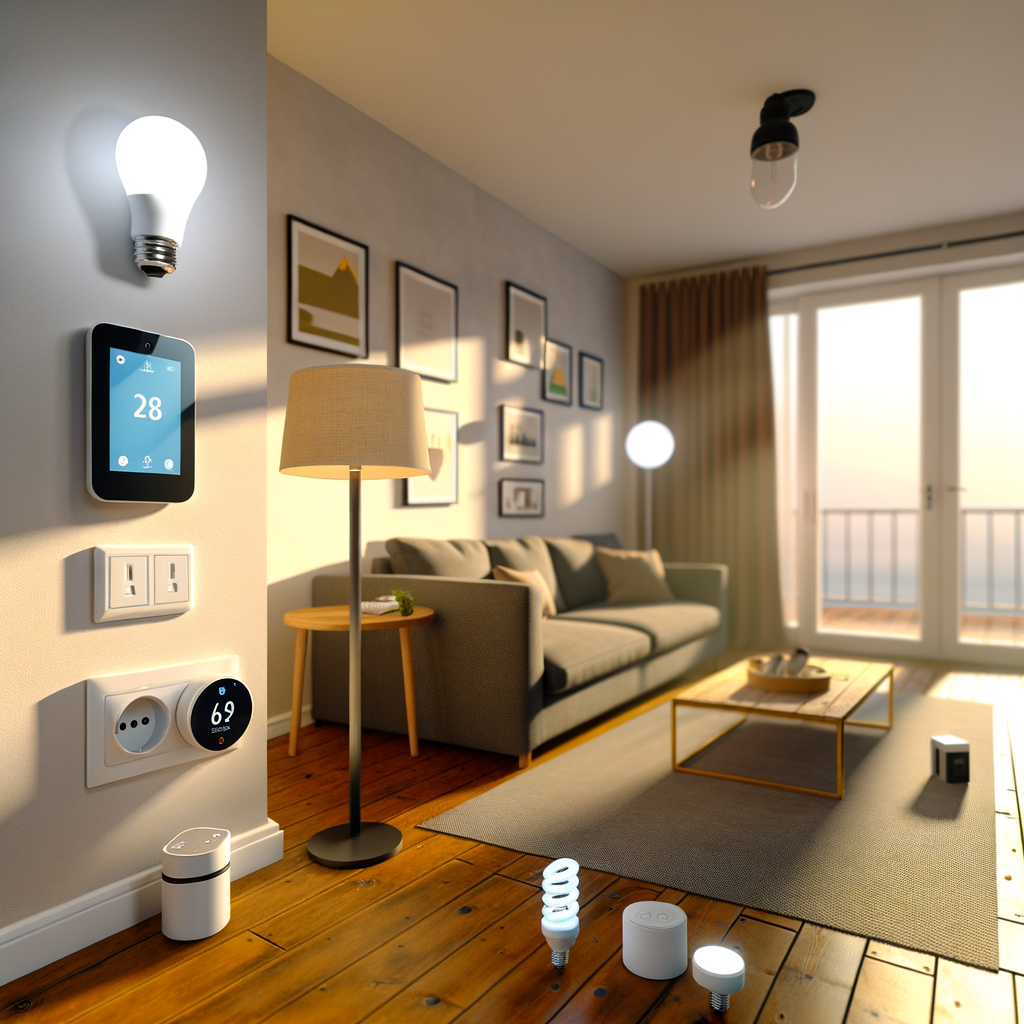
- Look for smart LED bulbs if you want extra features, like app-controlled lighting and dimming.
Pro tip: Use warm white bulbs (2700K-3000K) for cozy living spaces and daylight bulbs (5000K-6500K) in kitchens or work areas.
2. Install Low-Flow Faucet Aerators and Showerheads
Why Renters Win With Water Savings
Water waste is a common issue in older rentals. But most faucet aerators and showerheads can be unscrewed easily and replaced—no plumber or landlord approval necessary. This small swap often goes unnoticed yet delivers big utility savings, since you’re charged for water in most rentals.
- Low-flow aerators can cut faucet water use by up to 50%.
- Efficient showerheads use less water without sacrificing pressure.
- Simple to install and reverse when you move out—just save the originals.
How to Choose the Right Fixture
- Check your faucet or showerhead size (threading) before buying replacement aerators or heads.
- Look for models rated at 1.5 GPM (gallons per minute) or less for strong savings.
- Choose WaterSense-labeled products for trusted performance and efficiency.
Quick Install Tips
- Unscrew the old fixture by hand; use a towel for extra grip if needed.
- Clean any residue from the threads, then hand-tighten your new aerator or showerhead.
- Test for leaks—if needed, add a bit of plumbers tape (removable) to the threads.
3. Use Removable Draft Stoppers and Window Insulation
The Renter’s Secret to Year-Round Comfort
Drafty windows and doors are notorious energy-wasters in rentals of all ages. Weatherstripping and draft stoppers keep hot/cold air where it belongs—without permanent modifications.
- Removable draft snakes and door seals block gaps without sticky adhesives.
- Reusable window insulation kits (shrink plastic) create a near-invisible air barrier—easy to install and remove each year.
- Both upgrades lower heating and cooling costs while drastically improving comfort.
How to Install Temporary Insulation
- Clean and dry the area around windows and doors.
- For windows, follow the kit directions—usually, adhesive tape around the frame, plastic film over the window, and a hair dryer to shrink-tighten.
- Position draft stoppers snugly along the bottom of doors or window sills. For extra gap-filling, use fabric “snakes” or cut foam tubing to size.
Tip: In the summer, use blackout or thermal curtains to block heat and reduce sun-driven AC use.
4. Embrace Smart Power Strips & Energy Monitors
Cutting “Phantom Load” Without Drilling or Rewiring
Did you know your electronics use power even when they’re turned off? This is called “phantom load” and accounts for up to 10% of a typical home’s energy use. Luckily, renters can easily tackle this problem with modern gadgets—no landlord intervention needed.
- Smart power strips automatically cut power to devices when they’re not in use.
- Energy monitors track electricity use, letting you identify and reduce energy-hog appliances.
- Many come with app controls, scheduling, and voice assistant integration for next-level home automation.
Best Practices for Plug-and-Play Savings
- Plug TVs, gaming consoles, and streaming devices into smart power strips—set them to cut power when the main device is off.
- Use outlet energy monitors to spot high-usage electronics (like space heaters or old fridges) and adjust your usage.
- For peace of mind, look for UL-certified products and models with surge protection.
Bonus: Take these upgrades with you to your next residence—portable, reusable, and always saving money.
5. Shift to Eco-Friendly Cleaning and Personal Care Products
No Renovation Required: Green Routine Swaps
Not every eco-upgrade is about hardware. The products you use daily in your rental—cleaners, detergents, toiletries—impact both your indoor health and the planet. Most mainstream products contain harsh chemicals that pollute waterways and the air inside your apartment.
- Switch to biodegradable, non-toxic cleaners and detergents. Look for “plant-based” or “fragrance-free” options with simple ingredient lists.
- Try refillable and package-free products to reduce waste—think tablet-based cleaners and bar soaps.
- Use reusable cleaning cloths, instead of paper towels or single-use wipes.
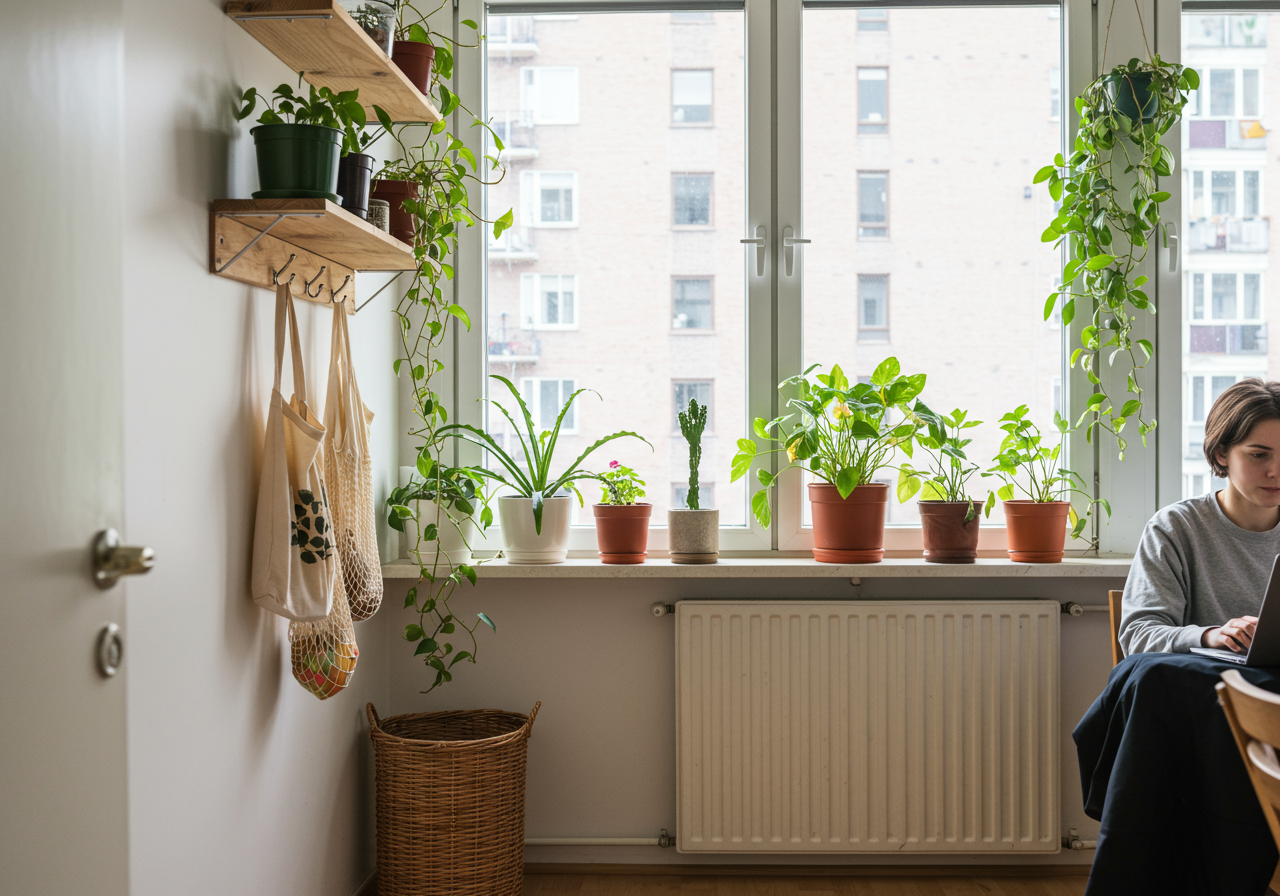
- Keep a few indoor houseplants to improve indoor air quality naturally.
Landlord-friendly tip: Using gentle, natural cleaners won’t damage surfaces or void deposits—if anything, it shows you care for the space.
Extra Credit: Build a Case with Your Landlord
How Renters Can Encourage Permanent Green Upgrades
Want to go a step further? Many landlords are open to eco-friendly changes if they understand the benefits. Here’s how you can approach