Busting 5 Common Myths About Smart Home Tech for Eco-Conscious Renters
Smart home technology has revolutionized the way we live, offering convenience, security, and energy savings. Still, many renters with a passion for living greener hesitate to embrace these innovations due to persistent myths. Let’s bust the top 5 misconceptions about smart home tech and reveal how eco-conscious renters can benefit right now—often with zero hassle and zero permanent changes.
Myth #1: Smart Home Tech Is Only for Homeowners
Why This Myth Persists
The belief that only homeowners can take advantage of smart home devices stems from worries about installation, contracts, or modifying the rental property. Many renters assume landlords won’t approve tech upgrades or that they must leave gadgets behind when they move.
Reality: Many Devices Are Renter-Friendly and Portable
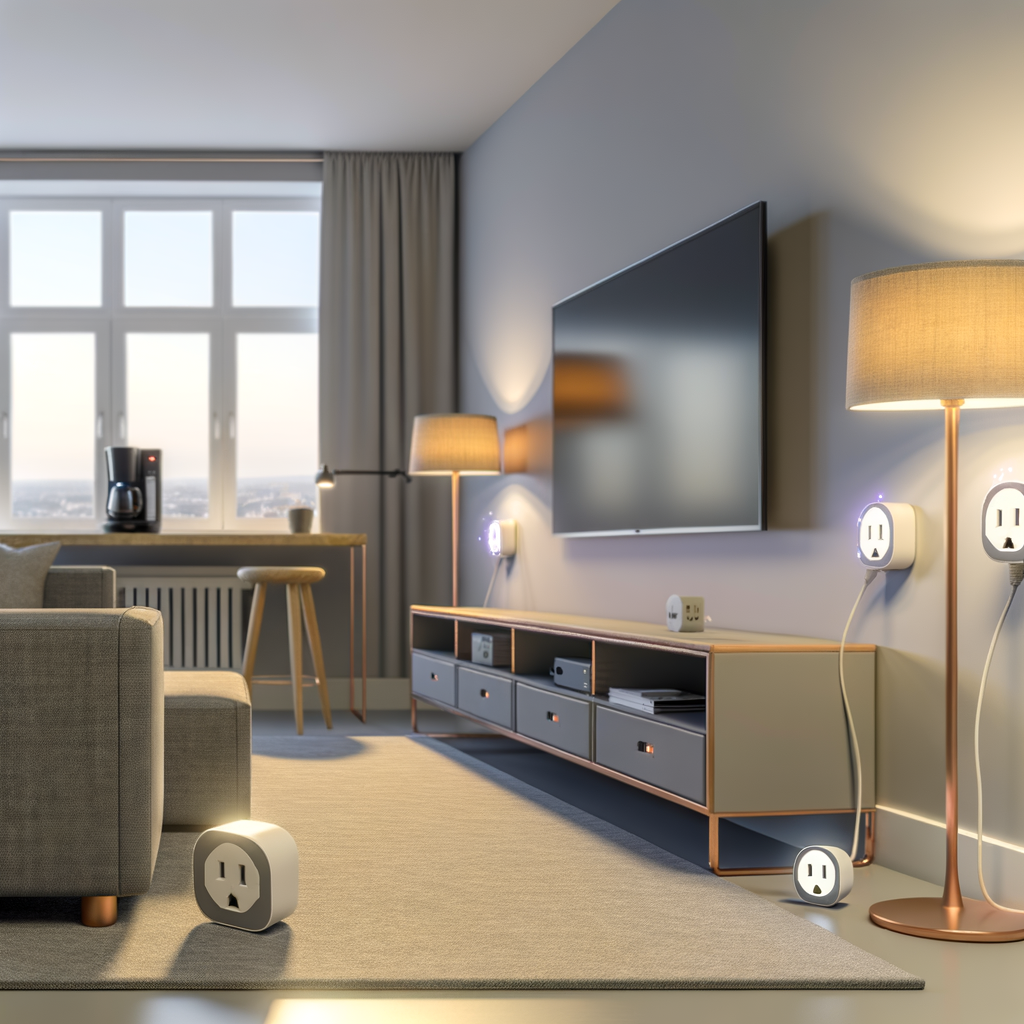
- No-drill installation: Products like smart plugs, battery-powered cameras, and adhesive sensor strips don’t require permanent changes or drilling.
- Easy removal: Most plug-and-play devices can be packed up and moved to your next apartment.
- Landlord-friendly: Smart bulbs, thermostats (with removable adapters), and air quality monitors don’t impact wiring or walls.
Actionable Tips for Renters
- Choose portable smart devices: Look for items you can easily unplug, unscrew, or stick with non-damaging adhesives.
- Communicate with your landlord: For devices like thermostats, get written approval. Many landlords appreciate upgrades that may reduce energy bills.
- Keep original hardware: Store any replaced items (like lightbulbs) so you can reinstall them before moving out.
Myth #2: Smart Home Tech Isn’t Environmentally Friendly
Why This Myth Persists
At first glance, adding electronics to your home may feel contradictory to eco-friendly living. Extra devices must use energy, right?
Reality: Smart Tech Can Dramatically Reduce Your Footprint
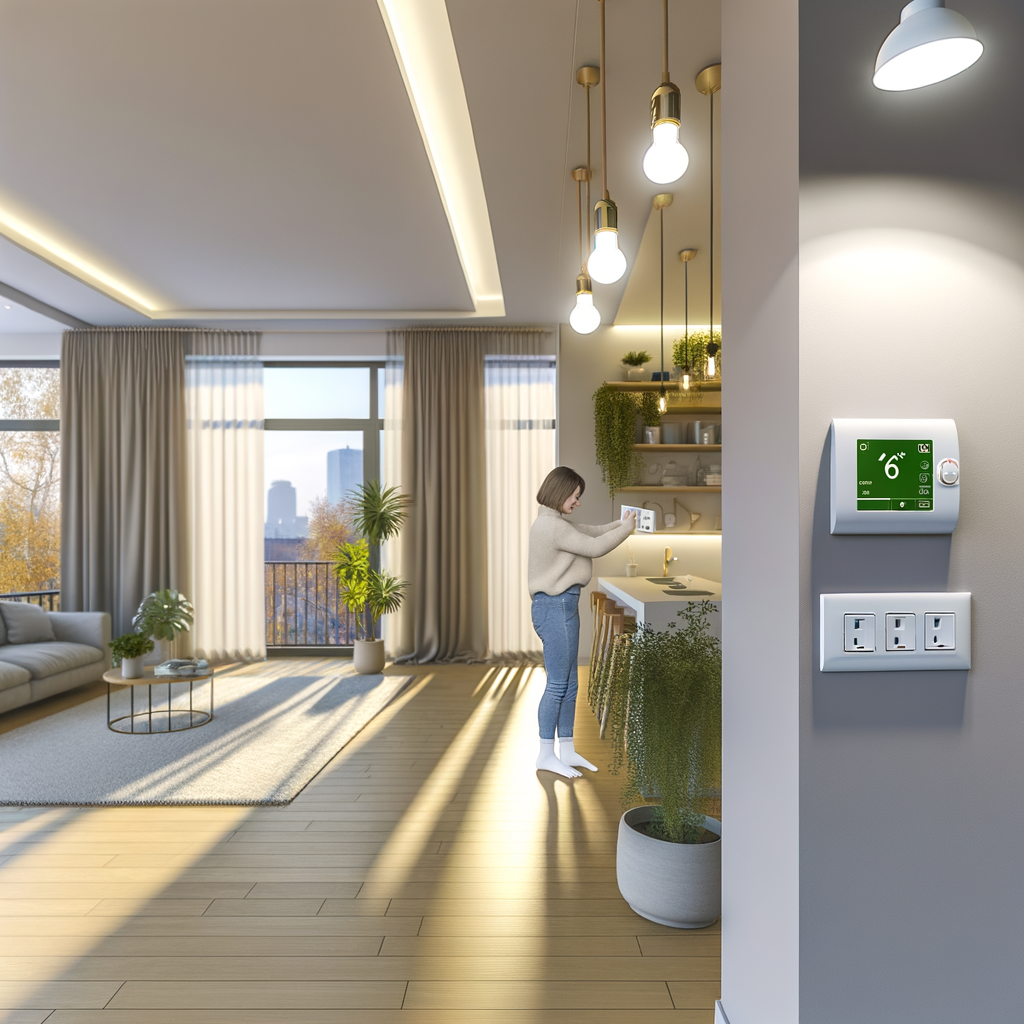
- Energy-saving features: Smart thermostats, plugs, and lighting automate energy use—turning off when you’re away or adjusting to daylight hours.
- Increased awareness: Apps and dashboards track energy and water use, helping you find waste and nip it in the bud.
- Reduction in phantom loads: Smart power strips and plugs kill power to devices that draw “standby” energy even when turned off.
According to studies, smart thermostats alone can save 10–15% on heating and cooling costs, translating directly to lower greenhouse gas emissions.
Actionable Tips for Renters
- Invest in smart LED bulbs that last years and use a fraction of the energy.
- Use smart plugs to schedule or trigger appliances to cut off completely—no more phantom power from TVs or game consoles.
- Review energy reports from your devices monthly and tweak routines for better savings.
Myth #3: Smart Home Devices Are Too Complicated
Why This Myth Persists
Tech jargon can be intimidating. Talk of “hubs”, “protocols”, or “integrations” makes many people worry setup is long, complicated, or requires technical knowledge.
Reality: Most Devices Are Plug-and-Play
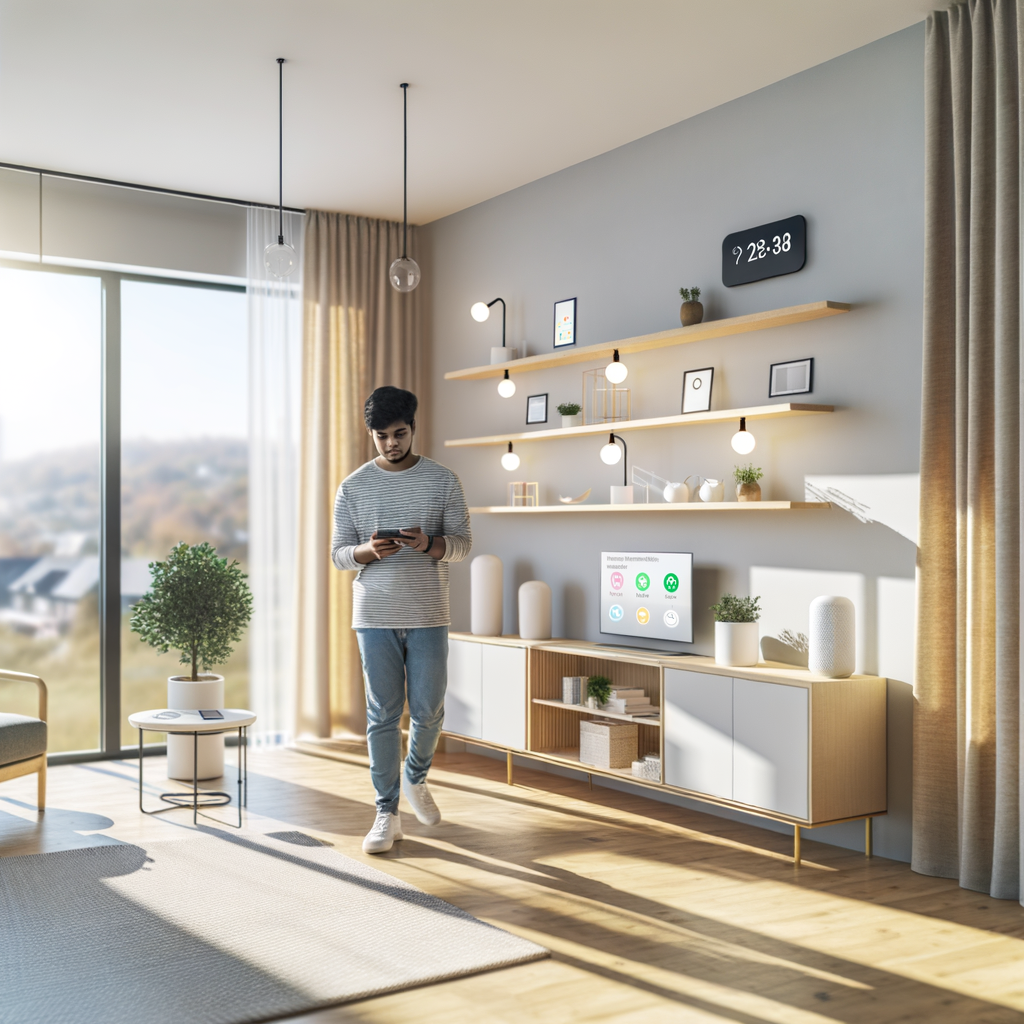
- Simple setup: Many smart devices work right out of the box with user-friendly apps and step-by-step instructions.
- No-hub options: Modern brands (like TP-Link, Wyze, and Kasa) offer products that connect directly to your Wi-Fi—no central hub or advanced networking needed.
- Voice assistant compatibility: Alexa, Google Assistant, and Siri make controlling devices as easy as asking a question.
Actionable Tips for Renters
- Start with a single “ecosystem” (Amazon, Google, or Apple) for easier device pairing and voice commands.
- Read online reviews to pick devices known for reliable apps and good customer support.
- Experiment with one device at a time—a smart plug or bulb—until you’re comfortable, then gradually add more.
Myth #4: Smart Home Products Are Expensive
Why This Myth Persists
Images of high-end smart homes or designer “smart mirrors” create the assumption that smart tech is for luxury budgets only. But many eco-friendly gadgets are surprisingly affordable.
Reality: Entry-Level Smart Devices Are Budget-Friendly
- Smart plugs: Usually under $20, these are a versatile, low-cost way to control and schedule appliances.
- LED smart bulbs: Cost just a bit more than regular LEDs but last years and offer brightness/color control for mood and energy savings.
- Energy monitors: Affordable plug-in models let you track exactly how much electricity specific devices are using.
- Used/refurbished deals: Many retailers and online platforms offer significant discounts on pre-owned or open-box devices, which is sustainable and cost-effective.
Once installed, energy savings quickly offset the cost—often within months.
Actionable Tips for Renters
- Set a small starting budget—just $50 can get you multiple smart plugs or bulbs.
- Choose Energy Star-certified smart devices for best efficiency.
- Take advantage of utility or city rebates for smart thermostats and energy monitors—these can sometimes make the tech nearly free!
Myth #5: You Have to Sacrifice Privacy for Convenience
Why This Myth Persists
Stories of hacked cameras or companies selling usage data make some renters hesitant to invite smart tech into their homes, especially when privacy is a core value.
Reality: You Can Balance Smart Home Convenience and Privacy
- Advanced settings: Turn off features like cloud monitoring on cameras or microphones on smart speakers when not needed.
- Local control options: Many smart switches or plugs operate entirely via Bluetooth or local Wi-Fi, never sending data to the cloud.
- Transparent brands: Look for devices with a strong privacy policy, transparent data usage, and published security audits.
Actionable Tips for Renters
- Read privacy policies before purchase and choose brands that don’t share or sell personal data.
- Change default passwords and keep firmware updated for any connected device.
- Disable unused features (like remote viewing) when you’re home.
- Physically cover cameras and mute mics when not in use for an extra layer of security.
The Eco-Smart Path Forward: How Renters Can Start Today
Smart Tech Starter Kits for Eco-Conscious Renters
Ready to start your journey? Here’s a simple roadmap to begin enjoying smart, sustainable living:
- Step 1: Replace bulbs with smart LEDs—set schedules to mimic daylight and save energy.
- Step 2: Add smart plugs—control coffee makers, fans, and lamps on schedules (and shut them off when out).
- Step 3: Monitor your energy with a plug-in energy monitor, then use the data to unplug wasteful devices.
- Step 4: Consider a removable smart thermostat (with landlord approval) to automate heating and cooling savings.
Top Benefits for Eco-Conscious Renters
- Lower utility bills
- Reduced carbon footprint
- Increased comfort and convenience
- Enhanced rental appeal (for future tenants and landlords)
Don’t let outdated myths hold you back. With modern technology, you can create an efficient, eco-conscious home on any budget or in any