How to Create a Smart, Energy-Efficient Apartment on a Budget: A Renter’s Step-by-Step Guide
Eco-friendly living isn’t just for homeowners and high-rise penthouses. Renters have tons of innovative, budget-friendly options for transforming apartments into smart, energy-efficient sanctuaries – all without losing their security deposit. Whether you’re looking to lower your utility bills, shrink your carbon footprint, or simply enjoy more comfort, it’s easier than you think. This step-by-step guide will show you how.
Why Go Smart and Energy-Efficient?
You don’t need to own your place to reap the benefits of smart technology and energy efficiency. Here’s what you stand to gain:
- Save Money: Reduce utility costs with smart energy management.
- Increase Comfort: Enjoy a responsive, tailored living space.
- Reduce Carbon Footprint: Cut down on wasted energy and environmental impact.
- Boost Convenience: Automate routines with voice control and scheduling.
Step 1: Assess Your Apartment and Set Your Goals
Evaluate Your Current Energy Use
- Check your latest utility bills for electric, gas, and water consumption trends.
- Identify problem areas—are your lights or heating always on?
- Look for drafts, inefficient lighting, or outdated appliances.
Define Your Budget and Priorities
- Set a realistic budget: $50, $100, or $300+ can still go a long way.
- Prioritize changes: Lighting, temperature control, or power monitoring?
- Check with your landlord about permissible devices and modifications.
Step 2: Make Lighting Smarter and Greener
Lighting accounts for about 15% of an average home’s electricity use. Upgrade your apartment lighting with smart, energy-efficient solutions.
Swap Bulbs for LEDs
- LED bulbs use up to 80% less energy and last 10 times longer than incandescents.
- Choose ENERGY STAR-rated bulbs for maximum efficiency.
- Focus on frequently used fixtures—living room, kitchen, and bathroom.
Add Smart Light Bulbs or Plugs
- Wi-Fi-enabled bulbs let you control lights from your phone or voice assistant.
- Set schedules, automate sunsets/sunrises, and avoid leaving lights on by accident.
- If you can’t swap bulbs (e.g., in fixtures you don’t own), use smart plugs to control lamps.
Step 3: Upgrade Temperature Control
Install a Smart Thermostat (If Allowed)
- If your HVAC system is compatible and your landlord agrees, a smart thermostat can save you up to 10% annually on heating/cooling.
- Look for thermostats that are easy to install and remove, like Google Nest or ecobee.
- Set zones, schedules, or control remotely via your smartphone.
Portable Solutions for Renters
- Use smart radiator valves or portable space heaters with timers and smart plugs for more targeted heat.
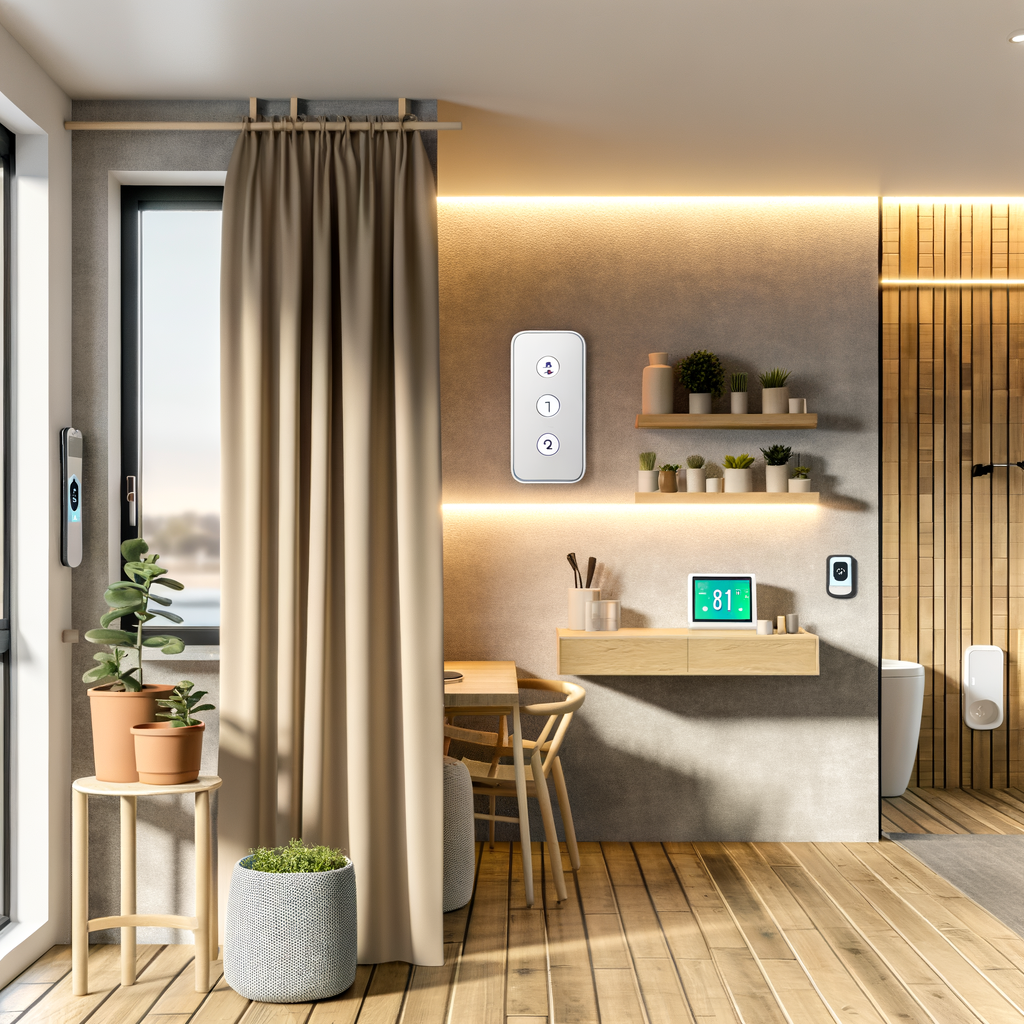
- Install thermal curtains or weatherstripping (removable) to reduce drafts and energy loss.
- Consider smart fans with app controls to circulate air more efficiently in the summer.
Step 4: Reduce “Phantom” Power Drain
Appliances and devices left plugged in—like TVs, chargers, and game consoles—can account for up to 10% of your apartment’s energy use, even when not in use.
Use Smart Power Strips
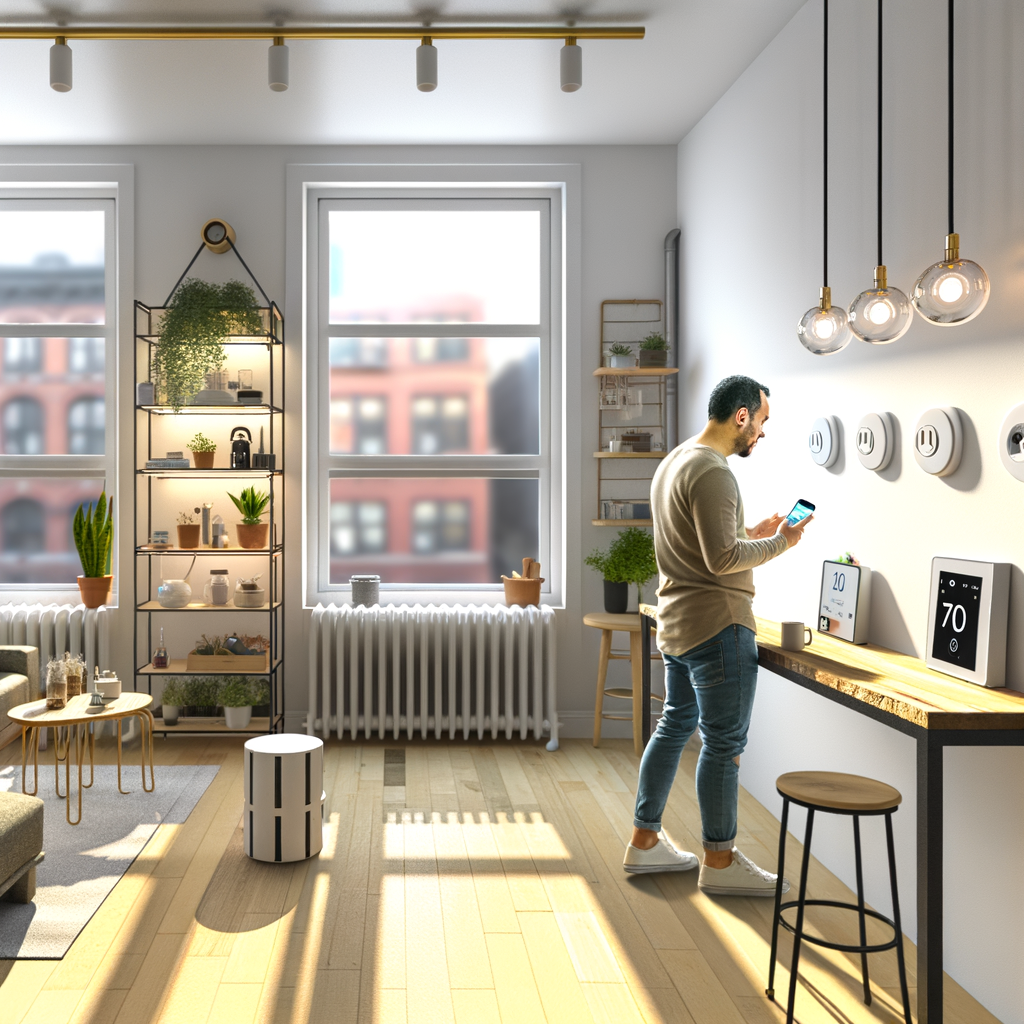
- Smart power strips automatically cut power to devices when they’re not needed or on standby.
- Control groups of devices from your phone, schedule them, or pair with a voice assistant.
- Focus on entertainment centers, home offices, or charging stations.
Step 5: Monitor and Manage Energy Use
Understanding your energy habits is the first step to cutting waste. Thankfully, renters can track electricity use without rewiring or permanent changes.
Plug-In Energy Monitors
- Smart plugs with energy monitoring features reveal how much each appliance draws.
- Identify energy hogs (mini-fridge, space heater, etc.) to prioritize upgrades or unplugging.
App-Based Tracking
- Many smart home apps provide usage statistics, trends, and even eco-friendly tips.
- Set alerts for unusual spikes in energy consumption.
Step 6: Make Water Smarter and Greener
Water-saving solutions often pay for themselves in months, and don’t require any permanent changes to your apartment.
Install Efficient Showerheads and Faucets
- Replace existing showerheads with low-flow or water-saving models (many are tool-free and reversible).
- Add faucet aerators for the kitchen and bathroom to reduce flow.
- Bring original fixtures with you when you move out and re-install the water-saving ones at your next apartment.
Leak Detection with Smart Sensors
- Place water leak detectors under sinks or near the washing machine; many alert you via phone or smart home system if a leak is detected.
Step 7: Improve Insulation and Air Flow
Seal Drafts and Windows
- Use removable weatherstripping to block drafts around windows and doors.
- Apply thermal window film (static-cling, not adhesive, for easy removal) in winter or summer.
- Install door draft stoppers for extra insulation.
Control Sunlight with Smart Shades
- Upgrade to smart blinds or shades (battery-powered or no-drill) to automate light and heat during the day.
- Blackout or thermal curtains reduce need for HVAC use.
Step 8: Make Eco-Friendly Swaps and Habits
Switch to Efficient Appliances (When Replacing)
- If you bring your own appliances or have options, choose ENERGY STAR-certified models.
- For essentials like air purifiers, fans, or microwaves, look for energy labels and quiet, efficient models.
- If you can’t change appliances, use “eco” modes on laundry and dishwasher cycles.
Adopt Energy-Saving Habits
- Wash laundry in cold water and only run full loads.
- Unplug chargers and small appliances when not using.
- Limit shower time, and turn off water when brushing teeth or shaving.
- Take advantage of natural light as much as possible.
Step 9: Build Your Smart Ecosystem (Renter-Friendly Tech)
Start with a Voice Assistant Hub
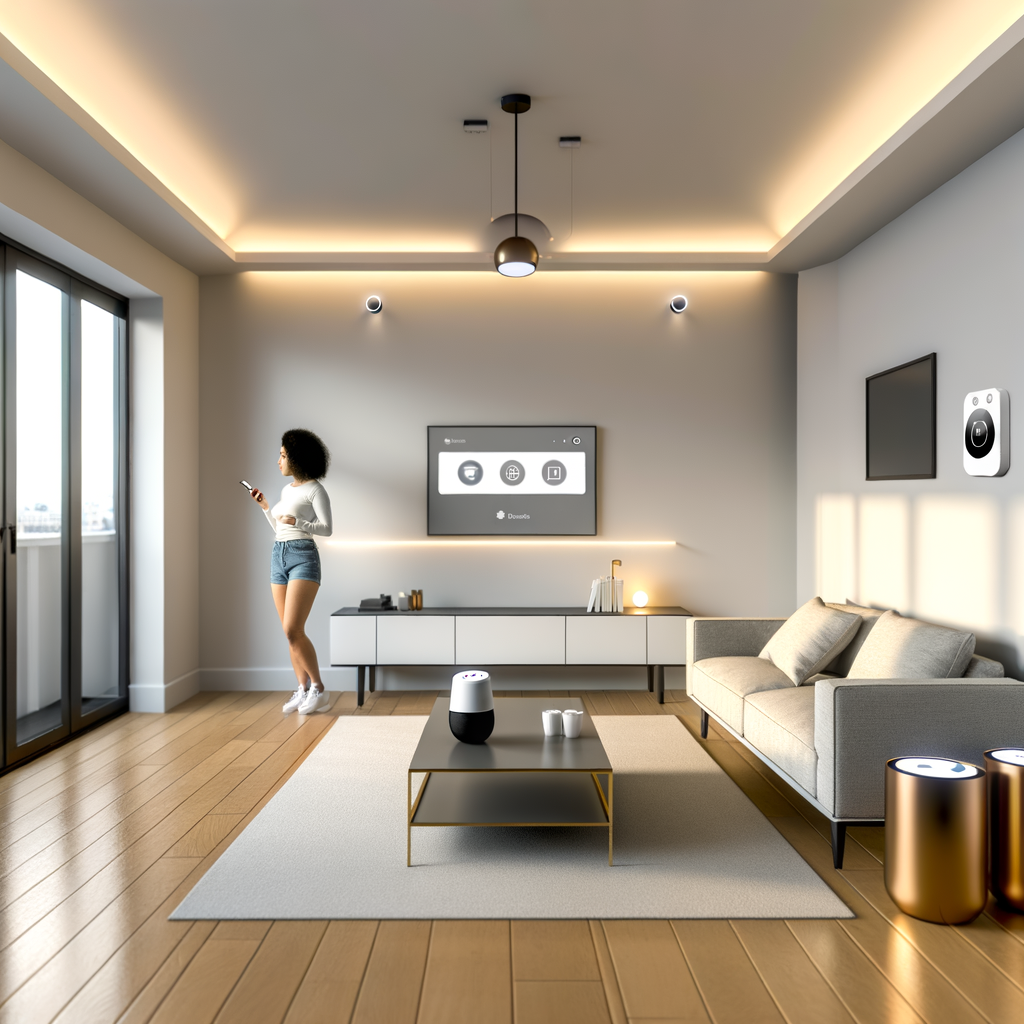
- A smart speaker (Amazon Echo, Google Nest) ties together bulbs, plugs, fans, and more.
- Use routines to automate morning/evening settings (like turning on lights and lowering the thermostat).
Choose Wireless, Removable Devices
- Stick to plug-in or peel-and-stick smart devices—no drilling or wiring required.
- Look for products marketed as “renter-friendly” or “no tools required.”