Debunking the Top 5 Myths About Smart Home Tech for Eco-Conscious Renters
Smart home technology is more accessible and impactful than ever before, especially for those who want to live sustainably. But as an eco-conscious renter, you may have heard some common myths that make you hesitant to adopt these solutions. Is smart home tech really too expensive, invasive, or hard to install in a rental? Let’s separate fact from fiction.
In this guide, we’ll systematically debunk the top five myths about smart home tech for renters who care about the environment. You’ll gain clarity and practical tips for making your rental greener, more comfortable, and future-forward.
Myth 1: Smart Home Tech Is Only for Homeowners
The Origin of the Myth
It’s easy to see why this myth persists. Many smart home upgrades, like solar panels or built-in energy management, do require property ownership. However, the rapidly evolving landscape of consumer tech has changed the game—radically.
The Reality: Smart Tech Solutions for Any Rental
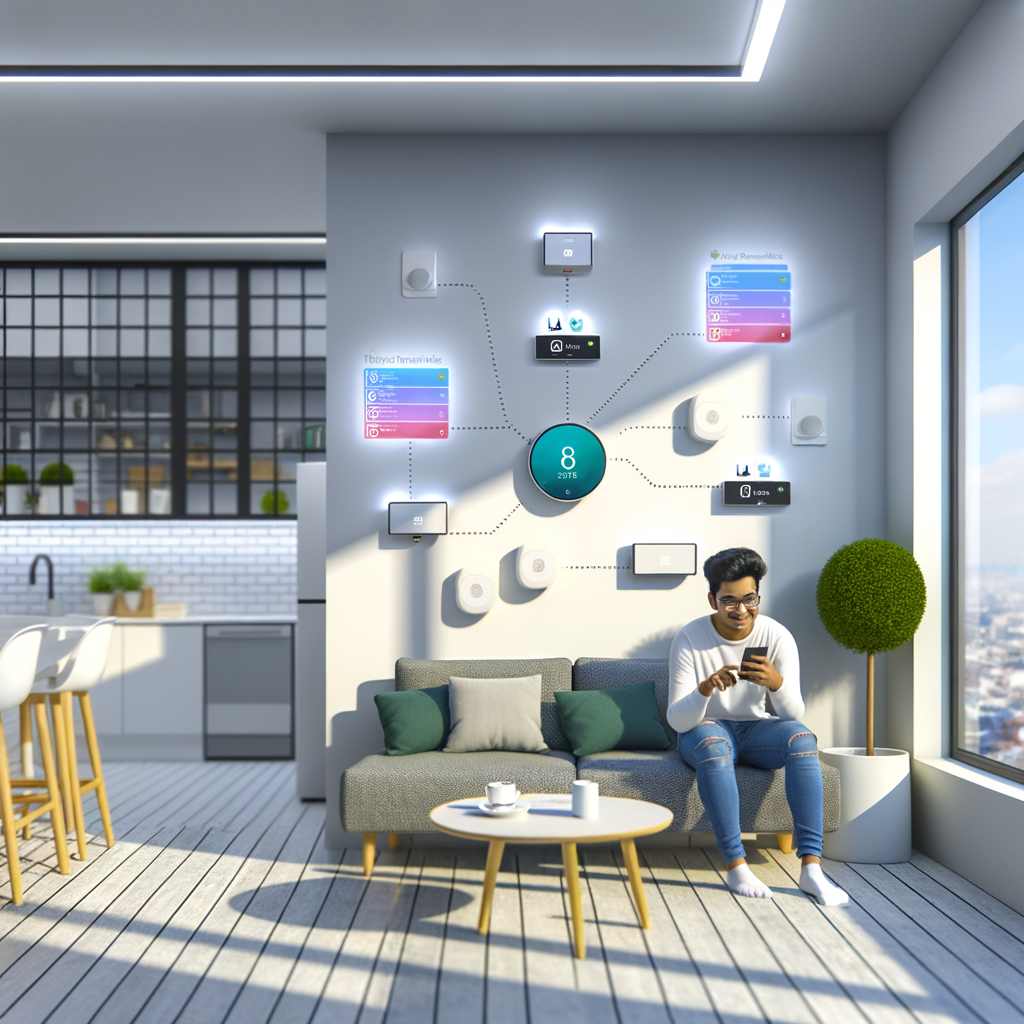
- Plug-and-Play Devices: Many smart devices (think smart plugs, smart bulbs, or portable thermostats) require zero hardwiring or damage to the property. They can be installed in minutes and removed when you move out.
- Wireless Ecosystems: Modern smart home products often work over Wi-Fi or Bluetooth. No drilling, rewiring, or landlord permission required.
- Energy Tracking for Tenants: Apps and devices let you monitor your energy use, even if you can’t change the main meter or electric box.
Actionable Advice
- Always check your lease and local laws, but know that basics like smart bulbs, plugs, and thermostats cause no damage and are generally allowed.
- Look for “renter-friendly” or “no tools required” in product descriptions.
- Choose solutions that offer a return on investment within one billing cycle, especially for energy savings.
Myth 2: Smart Home Tech Isn’t Eco-Friendly
The Origin of the Myth
Some smart devices do use electricity and electronic materials. Plus, the idea that adding tech equals more consumption can naturally raise red flags for eco-conscious consumers.
The Reality: Smart Tech Drives Energy Efficiency
Many smart home tools shrink your carbon footprint by:
- Optimizing energy usage (e.g., schedules for lights, thermostats, appliances)
- Providing real-time consumption feedback so you can adjust habits
- Automating inefficient tasks (like heating/cooling an empty apartment)
A few examples of eco wins with smart tech:
- Smart thermostats can reduce heating/cooling costs by up to 20% by adjusting automatically when you’re away.
- LED smart bulbs use up to 80% less energy than incandescents and can be set on timers or occupancy sensors.
- Smart plugs help eliminate “vampire” energy use from devices left on standby.
Actionable Advice
- Start with one or two devices (a smart plug for your TV, or a smart bulb in your most-used lamp) and measure your energy savings.
- Look for Energy Star-certified smart products for maximum savings.
Myth 3: You Need Technical Skills or a High Budget
The Origin of the Myth
Early smart home tech required technical know-how and sometimes expensive hubs. This created a lasting impression that you need to be a tech wiz (or flush with cash) to use these products.
The Reality: Setup Is Often Plug-and-Play—and Affordable
- No coding or rewiring: Most new smart home gadgets are app-based. The setup is as simple as scanning a QR code.
- Entry-level costs have plummeted: You can start a smart lighting system for less than $30. Smart plugs are often under $20.
- Many devices don’t even require a hub, working directly with your phone or voice assistant.
Actionable Advice
- Check product compatibility—make sure your favorite smart speaker/phone is supported for voice commands.
- Watch quick-start YouTube tutorials or use manufacturer setup guides for confidence before buying.
- Start small and scale up—build your smart home in stages as your needs and budget allow.
Myth 4: Smart Home Devices Violate Privacy
The Origin of the Myth
Concerns about smart speakers, cameras, and data collection have made headlines. Privacy is a top priority for renters, especially in shared buildings.
The Reality: You’re in Control—with a Few Smart Steps
Privacy concerns are real, but smart device makers now offer transparent settings and privacy controls. Plus, many eco-friendly smart devices (bulbs, plugs, thermostats) don’t use cameras or microphones at all.
- Choose reputable brands with published privacy policies.
- Adjust device settings to limit data sharing with third parties.
- Use devices locally (without cloud control) when possible—turn off unnecessary features if privacy is a must.
- Cover or unplug smart cameras/mics when not in use, if you choose to use them.
Actionable Advice
- Research a product’s privacy track record before purchasing—look for independent reviews.
- Change default passwords on all devices and activate two-factor authentication for your accounts.
- If privacy is a primary concern, stick to non-camera, non-mic energy-saving devices (like smart plugs, bulbs, and thermostats).
Myth 5: Smart Tech Changes Are Permanent—Not for Renters
The Origin of the Myth
Landlords can be strict about not altering fixtures, and many renters worry that investing in smart tech will mean leaving it behind—or worse, risking security deposit deductions.
The Reality: Most Upgrades Are 100% Portable
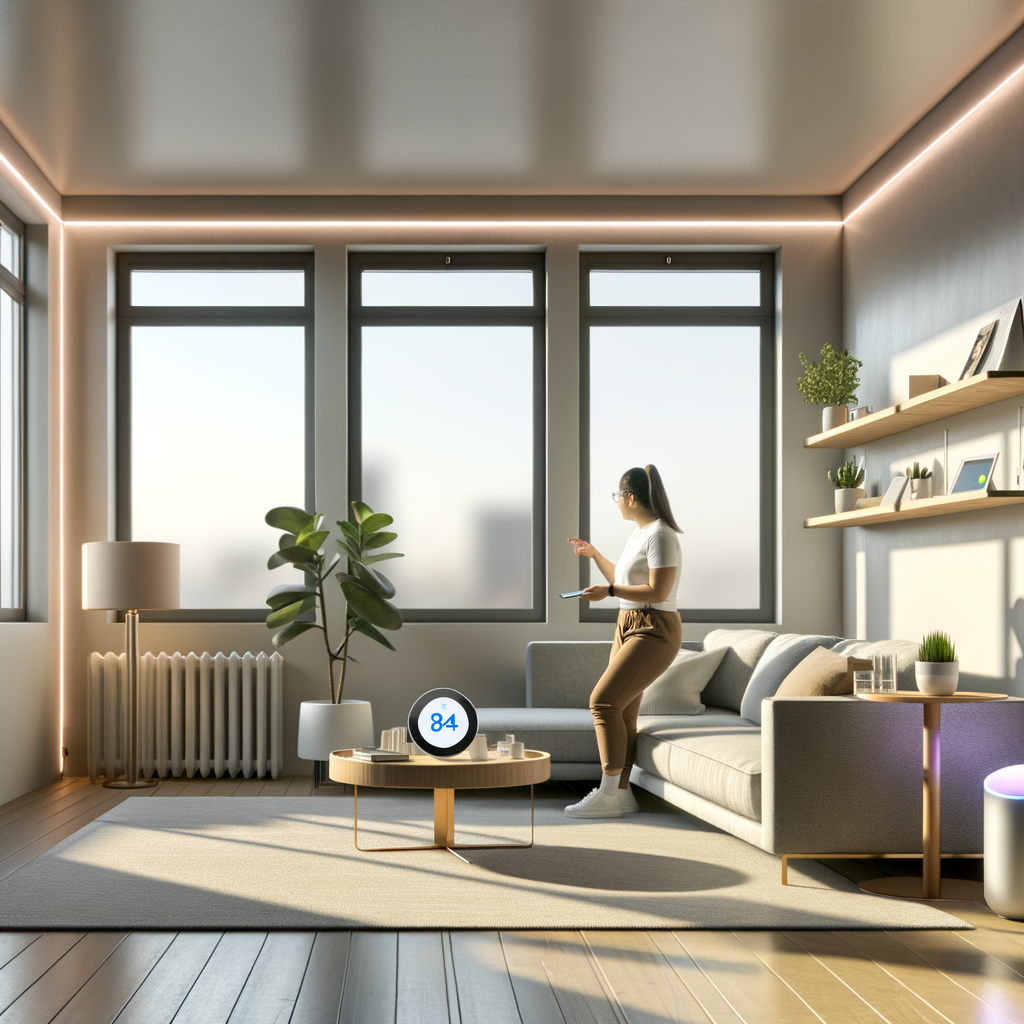
- Battery-powered smart thermostats, like the Google Nest or ecobee, can often be mounted with adhesive rather than screws.
- Smart plugs, bulbs, and speakers just unplug—take them with you when you move.
- Security: If you need a rental-friendly security camera, choose one with a magnetic or suction mount.
Actionable Advice
- Always ask your landlord before making semi-permanent changes (like swapping out a thermostat). Many allow upgrades if you restore the original before moving out.
- Keep the packaging for your devices, so they’re easy to pack for your next apartment.
- Document the process—taking “before” and “after” photos helps with security deposit disputes.
How to Choose the Right Smart Tech for Your Eco-Friendly Rental
Ready to get started? Here’s a quick decision-making guide for renters:
1. Prioritize Energy-Saving Devices
- Smart Thermostats: Reduce cooling/heating waste.
- Smart Plugs: Cut standby power and automate.
- LED Smart Bulbs: Lower electricity use, set schedules for savings.
2. Seek Features Made for Renters
- Portability—no hardwiring required
- Easy DIY install and removal
- Minimal to no damage to walls or outlets
3. Maximize Impact with Minimal Investment
- Start with one room or appliance to test for savings before going all-in.
- Take advantage of rebates—utility providers sometimes offer discounts for energy-efficient smart products.
Practical Tips for Installing and Using Smart Tech in Rentals
- Use smart plugs to schedule power-hungry devices and stop wasting energy.
- Automate lights with schedules so nothing is accidentally left on.
- Place a portable smart thermostat in