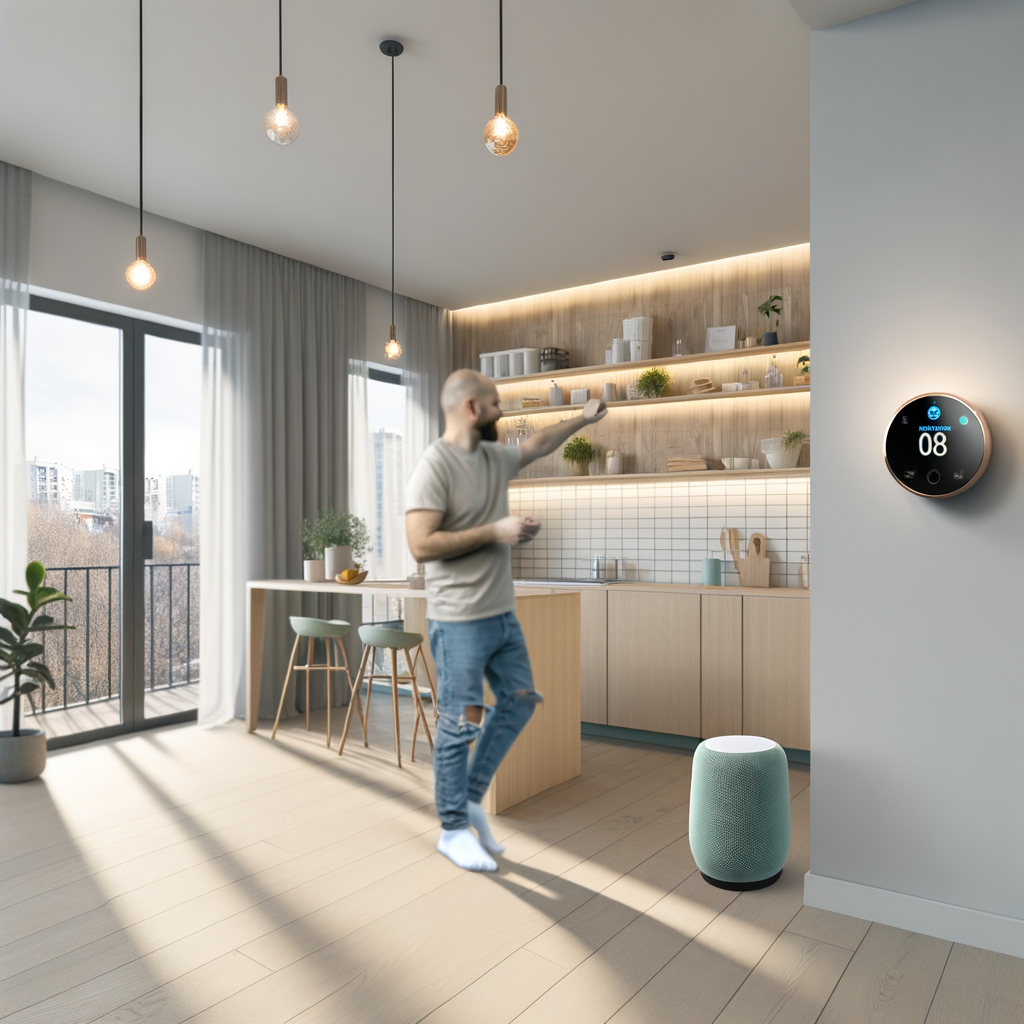
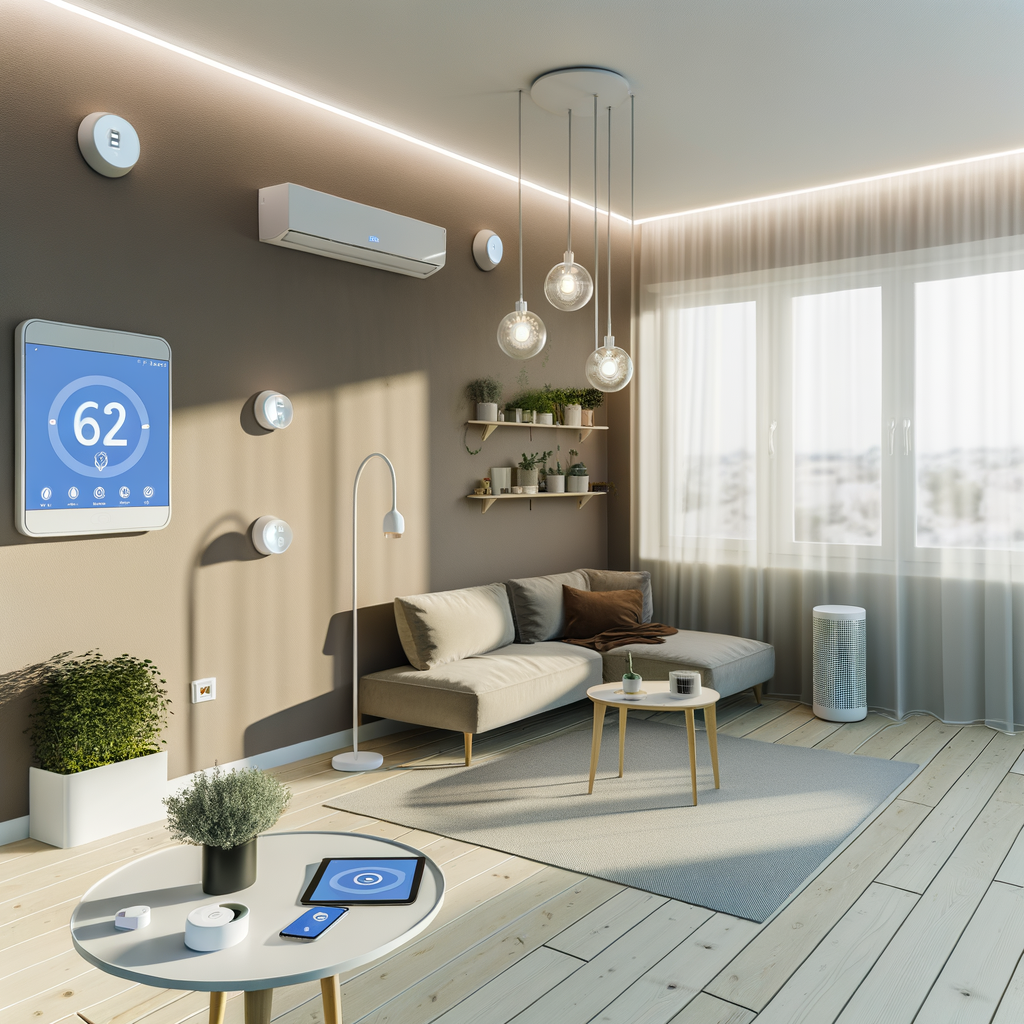
Myth-Busting Smart Thermostats: Are They Really Worth It for Renters? Smart thermostats have taken the market by storm, promising energy savings, convenience, and smarter climate control for your living spaces. But if you’re renting, you may be wondering: is it really worth it to invest in this high-tech upgrade? Let’s break down the myths and facts, review the pros and cons, and help you decide if a smart thermostat deserves a spot in your apartment or rental home. Understanding Smart Thermostats: How Do They Work? Smart thermostats are advanced devices that control your home’s heating and cooling systems. Unlike old-fashioned manual thermostats, they connect to your Wi-Fi network and can be controlled via smartphone apps, smart speakers, or even your voice. Remote Access: Adjust the temperature from anywhere using a mobile app. Learning Features: Some models “learn” your schedule and habits to optimize energy use. Automation: Set schedules, create temperature zones, and even integrate with smart home systems. Energy Reports: Receive data about your energy usage, often with tips for greater efficiency. Common Myths About Smart Thermostats for Renters Myth #1: Only Homeowners Benefit from Smart Thermostats Many renters think smart thermostats are strictly for homeowners. This is far from true. In fact, renters stand to benefit perhaps even more than homeowners, thanks to flexibility and potential energy savings. Portable: Many smart thermostats are easy to remove and take with you to your next rental. Low-Impact Installation: Some models require no hardwiring and can be installed without damaging walls. Myth #2: Installation is Too Complicated for Renters While some smart thermostats require professional installation, others are designed for DIY. For renters, it’s critical to choose a model that matches your comfort level and your lease terms. Battery-Powered Options: Certain models don’t require direct wiring and are ideal for less-permanent setups. Installation Videos: Most brands provide easy-to-follow video guides for renters and DIYers. Myth #3: Landlords Don’t Allow Thermostat Upgrades In many cases, landlords are open to smart upgrades, especially if they can be reversed when you move out. Always ask for written permission before making any changes. Reversible Installation: Choose models that can be uninstalled cleanly when your lease ends. Negotiation Tip: Offer to share utility data or energy savings with your landlord as an incentive. Myth #4: They Don’t Save Enough Money to Justify the Cost A big concern for renters is whether the savings will actually add up. Let’s look closer at the dollars and cents. Average Savings: EPA’s ENERGY STAR program reports smart thermostat savings of 8%-20% on heating and cooling bills. Payback Time: Many users report recouping the cost within a year, depending on their climate and usage. Key Benefits of Smart Thermostats for Renters 1. Energy Efficiency & Cost Savings Smart thermostats let you heat and cool only when you need it. This means lower utility bills—crucial if you pay for energy use directly. Automatic schedule adjustments when you’re away or asleep Integration with weather data for optimized heating/cooling Helpful insights to reduce unnecessary energy waste 2. Convenience & Comfort Control your thermostat from your phone without leaving the couch—or bed. You can even warm up your home on your commute or adjust the settings without waking up. Easy app controls for iOS, Android, and web browsers Integration with smart assistants like Alexa, Google Assistant, and Siri Voice commands for hands-free adjustments 3. Customization for Every Room Many modern systems support remote sensors or zone controls, so your bedroom stays cozy while the rest of the apartment saves energy. Room-by-room temperature management (with compatible systems) Set specific schedules for work-from-home routines 4. Easy Removal When You Move Most smart thermostats are designed for easy removal, empowering renters to avoid permanent changes to the property. Keep the box and original thermostat for smooth transitions Restore the original setup before moving out to keep your deposit intact Potential Drawbacks and Considerations for Renters 1. Compatibility Issues Older HVAC systems or unique wiring setups may not support the latest smart thermostats. Before purchase: Check your system: Is it low-voltage (common), line-voltage, or non-standard? Look for compatibility charts on the manufacturer’s website Ask your landlord or property manager if you have questions about your current setup 2. Lease Agreements and Landlord Approval Altering thermostats often requires written landlord approval per your lease agreement. Clearly outline how you’ll install and remove the unit Share how energy-efficient upgrades may benefit both parties Offer to restore the original thermostat before moving out 3. Upfront Costs Smart thermostats can run $80–$250 or more. Consider: Length of your lease—will you stay long enough to recoup the investment? Available rebates: Some utility companies offer money back on smart thermostat purchases Look for certified pre-owned deals or sales to lower costs 4. Wi-Fi and Privacy Smart thermostats need a reliable Wi-Fi connection, and you should be thoughtful about sharing energy data. Check your building’s Wi-Fi reliability if you use a shared network Review the privacy policy on data collection for your chosen device Choosing the Best Smart Thermostat for Your Rental Essential Features for Renters No-wiring or minimal-wiring installation: Ideal if you can’t alter your rental’s electrical system Geo-fencing: Adjusts temperature as you leave or approach home automatically Remote sensors: For better comfort in specific rooms Easy removal & reinstallation: Look for units specifically designed for temporary setups Top Models to Consider Google Nest Thermostat (2020): No C-wire needed on many setups, affordable, easy to uninstall ecobee3 Lite: Compatible with most HVAC systems, supports room sensors, great app experience Amazon Smart Thermostat: Budget-friendly, simple setup, Alexa integration Wyze Thermostat: Inexpensive, quick installation, solid mobile app How to Talk to Your Landlord About Installing a Smart Thermostat Getting landlord approval doesn’t have to be difficult. Here’s how to position your upgrade for success: Emphasize that the installation is reversible and non-destructive Offer to provide instructions and restore the original at move-out Mention potential energy savings, which could benefit the property overall If relevant, point out any local energy-efficiency incentives or rebates Template Email to Request Approval: Hi [Landlord/Property Manager Name], I’d like to request your permission to temporarily install a smart thermostat in my apartment [unit
Myth-Busting Smart Thermostats: Are They Really Worth It for Renters?