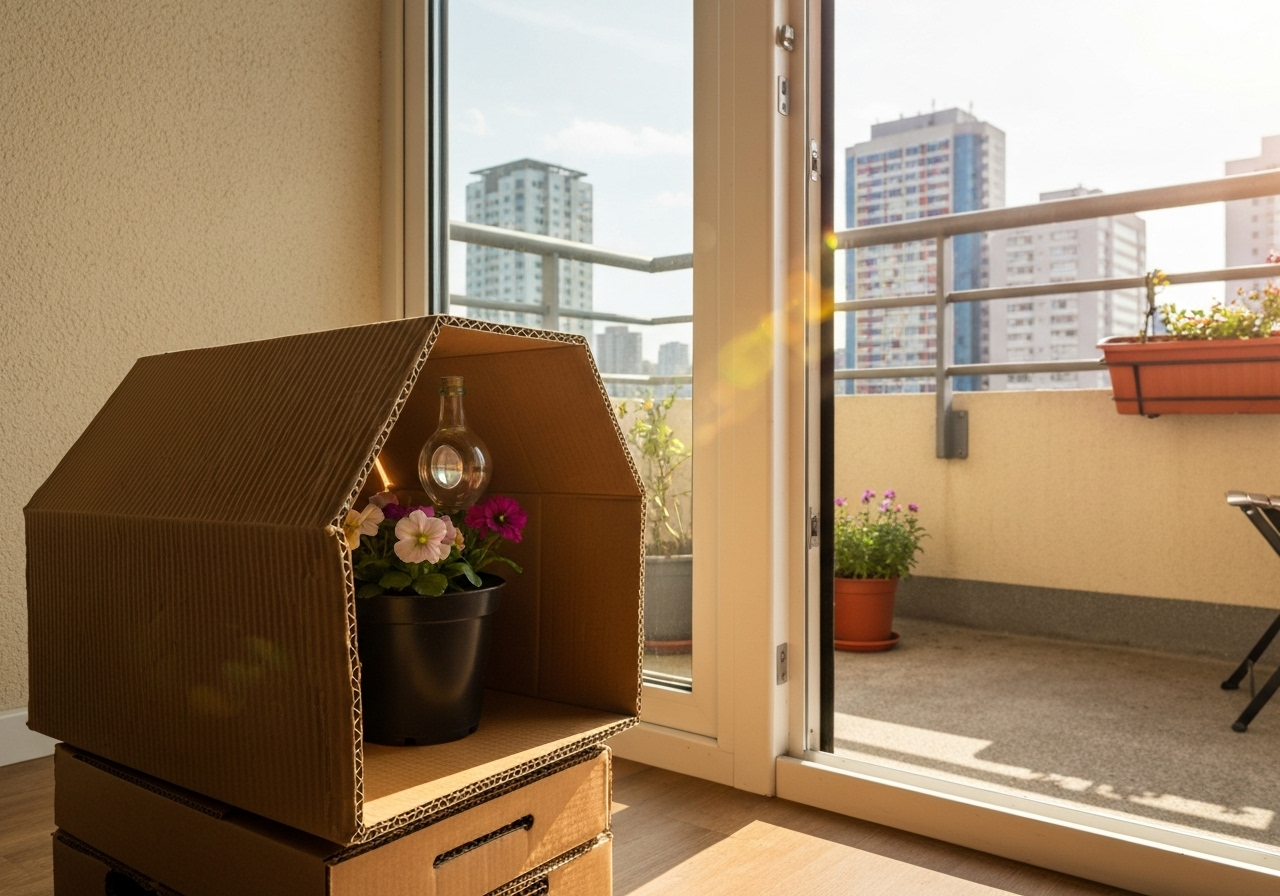
Living the renter life often means a long list of “can’ts.” You can’t paint the walls that questionable shade of beige. You can’t knock down a wall for that open-concept dream. And you certainly can’t install a gleaming set of solar panels on the roof. It can feel like your big green-living goals are just out of reach. But what if I told you that you could harness the sun’s incredible power with nothing more than a cardboard box and a few household items? Welcome to the world of the DIY solar oven—the perfect, lease-friendly solution for the eco-conscious renter.This project isn’t about going completely off-grid; it’s about empowerment. It’s about taking a tangible step, reducing your carbon footprint in a small but meaningful way, and frankly, doing something incredibly cool. You can build this on a Saturday afternoon and be melting s’mores by sunset, all without a single call to your landlord.Why a Solar Oven is Perfect for Renters Before we break out the craft supplies, let’s talk about why this is such a fantastic project for anyone in a temporary living situation. The benefits go far beyond just being a fun DIY. Zero Installation: This is the big one. A cardboard solar oven requires no drilling, no wiring, and no permanent changes to your home. When you move, you can either take it with you or simply recycle it. Space-Efficient: No sprawling yard needed! If you have a sunny balcony, a small patio, or even a south-facing windowsill that gets a few hours of direct sun, you have enough space to cook. Incredibly Low-Cost: You can likely build this for free using materials you already have. It’s a powerful lesson in upcycling and proves that sustainability doesn’t have to be expensive. Reduces Energy Use: On a sunny day, you can cook a meal without turning on your conventional oven, saving electricity or gas and shaving a little off your utility bill. Every kilowatt-hour saved is a win for the planet! How It Works: Simple Solar Science Your DIY oven will work on three basic principles. It’s a beautiful example of simple, effective physics! Concentration: An aluminum foil reflector acts like a mirror, catching sunlight and directing it into the box. Absorption: The black interior of the box absorbs the sunlight and converts it into heat. This is why wearing a black shirt on a sunny day feels so much warmer! Insulation: A clear plastic “window” allows sunlight in but traps the heated air inside, creating a greenhouse effect that lets the temperature climb. Let’s Build It: Your Renter-Friendly Solar Oven This classic design uses a pizza box, but any relatively shallow cardboard box will do. The key is to create a well-sealed, insulated space.What You’ll Need: A cardboard pizza box (or a similar-sized cardboard box with an attached lid) A utility knife or box cutter Heavy-duty aluminum foil Clear plastic wrap (heavy-duty or oven bags work best) Non-toxic black construction paper or matte black paint (non-toxic is important!) A ruler or straight edge Clear packing tape and a glue stick A wooden dowel, stick, or unsharpened pencil Step-by-Step Instructions: 1. Create the Reflector Flap: Using your ruler, draw a square on the top of the box lid, leaving about a one-inch border on three sides. Carefully use your utility knife to cut along the three sides, leaving the side along the back hinge of the box uncut. This creates a flap that you can lift.2. Line the Reflector: Gently crease the flap open. Cover the underside of this flap with glue and carefully smooth a sheet of aluminum foil over it, shiny side out. This is your sun-reflecting mirror.3. Make the Window: Now, create the window that will trap heat. Open the box and tape two layers of plastic wrap to the underside of the lid, completely covering the hole you just cut. Make sure it’s as taut and airtight as possible. This creates an insulating double-pane window effect.4. Absorb the Heat: Line the bottom interior of the box with black construction paper or paint it with non-toxic black paint. This black surface is what will absorb the sunlight and get hot.5. Prop It Up: Your oven is almost complete! Use your wooden dowel or stick to prop the reflector flap open at an angle that best catches the sun’s rays. You can poke a small hole in the flap or use tape to secure it.Tips for Solar Cooking Success Cooking with the sun is a bit different from your kitchen oven. It’s slower and more gentle. Here’s how to get the best results: Start simple: Your first project could be melting cheese for nachos, baking a few cookies, or reheating leftovers. These cook quickly and give you a feel for your oven’s power. Use dark, thin cookware: A small, black pot with a lid works best. The dark color absorbs heat, and the thin material allows it to transfer to your food efficiently. Track the sun: For best results, you’ll need to reposition your oven about once an hour to keep it pointed directly at the sun. Be patient: Solar cooking is “slow food.” Relax and let the sun do the work. On a clear, sunny day, your box can reach temperatures of 200°F (93°C) or more! Safety first! The inside of the oven and your cookware will get very hot. Always use oven mitts when removing your food. Building a solar oven is more than just a craft project. It’s a declaration that even with the constraints of renting, you can find creative, impactful ways to live more sustainably. You’ve just harnessed the power of a star from your balcony—no landlord approval required.
DIY Renter-Friendly Solar Oven: How to Cook with the Sun on Your Balcony