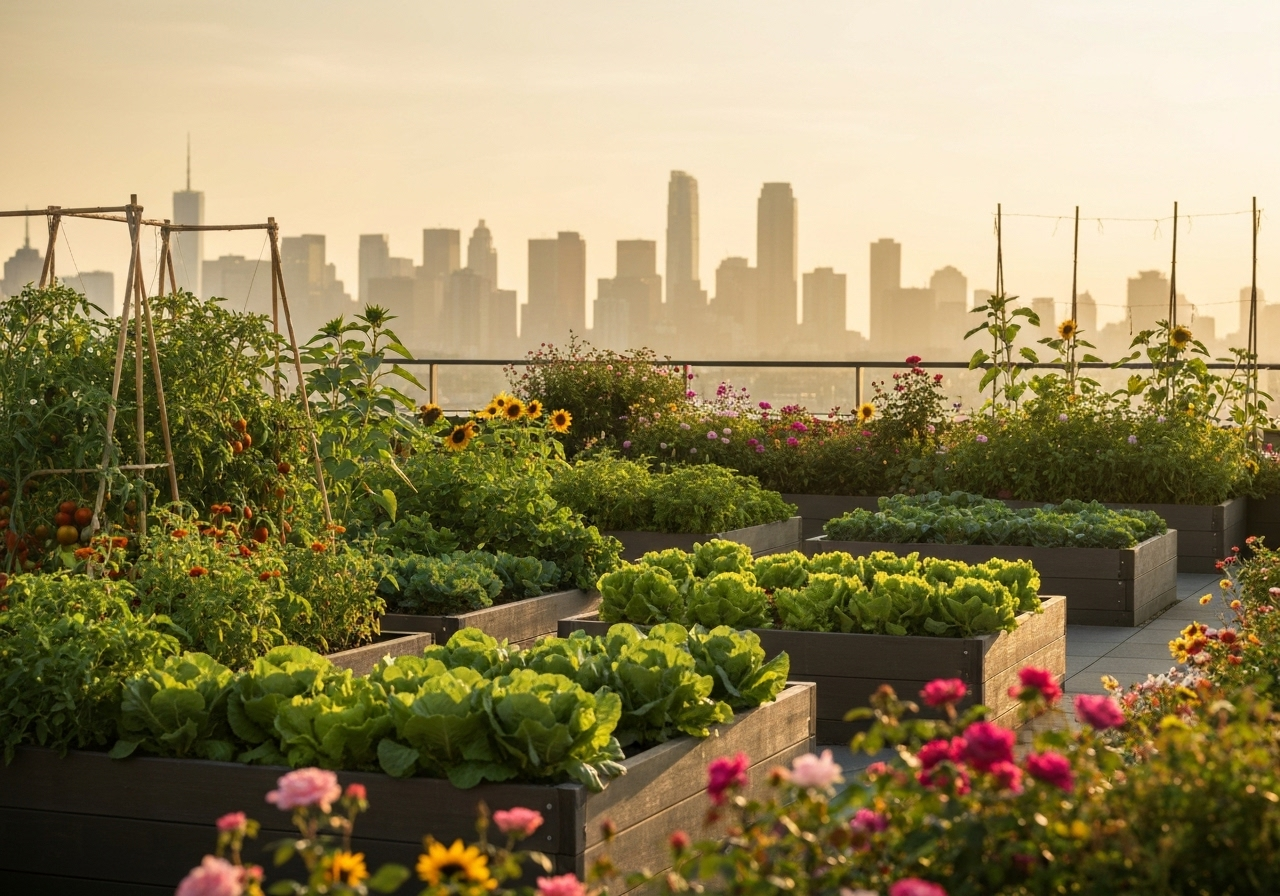
Living in the city has its perks, but sometimes the endless grey of pavement and buildings can leave you longing for a patch of green. As a renter, it’s easy to feel like your hands are tied. You can’t exactly tear up the parking lot for a vegetable patch or install a new park on your own. But what if I told you that your voice as a renter is one of the most powerful tools for cultivating green spaces in your community? You are a resident, a neighbor, and a vital part of your neighborhood’s fabric. You don’t need to own property to sow the seeds of change. Advocating for more parks, community gardens, and green pockets isn’t just about pretty scenery. It’s about improving air quality, boosting mental and physical health, reducing urban heat, and building stronger, more connected communities. Here’s a practical, renter-friendly guide to becoming a champion for green spaces right where you live. Your Action Plan: From a Single Seed to a Neighborhood Oasis Feeling overwhelmed? Don’t be. The journey to a greener neighborhood is built on small, consistent steps. Think of it as starting with a single potted plant and working your way up to a community garden. Here’s how you can get started. Step 1: Start Hyper-Local (Right Outside Your Door) Before you take on city hall, look at the opportunities immediately around you. Building momentum starts with small, visible wins that inspire others. Talk to Your Landlord or Property Manager: This is your first, and often most effective, point of contact. Frame your suggestions as a win-win. A small community herb garden, a few large planters in a common area, or a vertical garden on a bare wall can increase property value and tenant happiness. Offer to organize and maintain it with a few neighbors. Beautify Neglected Spaces: See those sad, empty tree pits on your sidewalk? With a little soil and some hardy, native flowers, you can add a pop of color and life. This small act of “tactical urbanism” can have a huge visual impact and show what’s possible. (Just be sure to check local rules about planting in public-facing areas). Lead a “Green Audit”: Get together with a few neighbors and walk around your block. Take photos of underutilized spaces: a forgotten strip of grass, a vacant corner lot, a wide-open rooftop. Just identifying potential can spark powerful conversations. Step 2: Find Your Green Team (Power in Numbers) One voice is a suggestion; a chorus of voices is a demand. Your biggest asset is your community. You’re not the only one who wants a more beautiful, healthier place to live. Connect with Neighbors: Use building newsletters, community bulletin boards, or online groups like Nextdoor or a neighborhood Facebook page. Post a simple message: “Hey everyone, I’m interested in finding ways to add more green space to our neighborhood. Is anyone else interested in brainstorming?” You’ll be surprised who responds. Join Existing Groups: Don’t reinvent the wheel! Your city likely has existing environmental groups, garden clubs, or “Friends of the Park” organizations. Joining them provides you with a network, resources, and knowledge about how local advocacy works. Organize a Low-Key Event: Host a simple park clean-up day or a “potting party” where neighbors can plant something for their balconies. These events build relationships and create a sense of shared purpose, which is the foundation for any larger advocacy effort. Step 3: Engage the System (Making It Official) Once you have some community support and a clear idea of what you want, it’s time to engage with local decision-makers. This sounds intimidating, but it’s more accessible than you think. Know Your Representatives: Do you know who your city council member or county commissioner is? A quick search on your city’s official website will tell you. These are the people whose job it is to listen to residents—renters included. Write a Letter or Email: A well-crafted email from a group of residents is incredibly effective. Be specific. Instead of “We want more parks,” try “We are a group of 30 residents from the Maple Street Apartments, and we have identified the vacant lot on the corner of 5th and Elm as a potential site for a community garden. This would benefit…” Attend Public Meetings: City council and parks department meetings are almost always open to the public. You don’t have to be a polished public speaker. Simply standing up during the public comment period and stating, “My name is [Your Name], I live at [Your Address], and my neighbors and I would love to see a green space in our community,” puts your request on the official record. Breaking the “Just a Renter” Mindset It’s crucial to shed the feeling that you have less of a right to speak up because you don’t own your home. You are not a temporary guest. You are a resident. You pay taxes (directly or through rent), you support local businesses, and you contribute to the character of the neighborhood. Your presence and your voice matter. Every tree that provides shade, every community garden that provides fresh food, and every park bench that provides a moment of peace improves life for everyone, renter and owner alike. By advocating for these spaces, you are investing in the health and well-being of the community you call home, for as long as you choose to be there. So start small. Plant a flower. Send an email. Talk to your neighbor. Your voice, combined with others, has the power to turn a forgotten corner of your concrete jungle into a thriving community oasis.
From Concrete to Community: A Renter’s Guide to Advocating for Urban Green Spaces