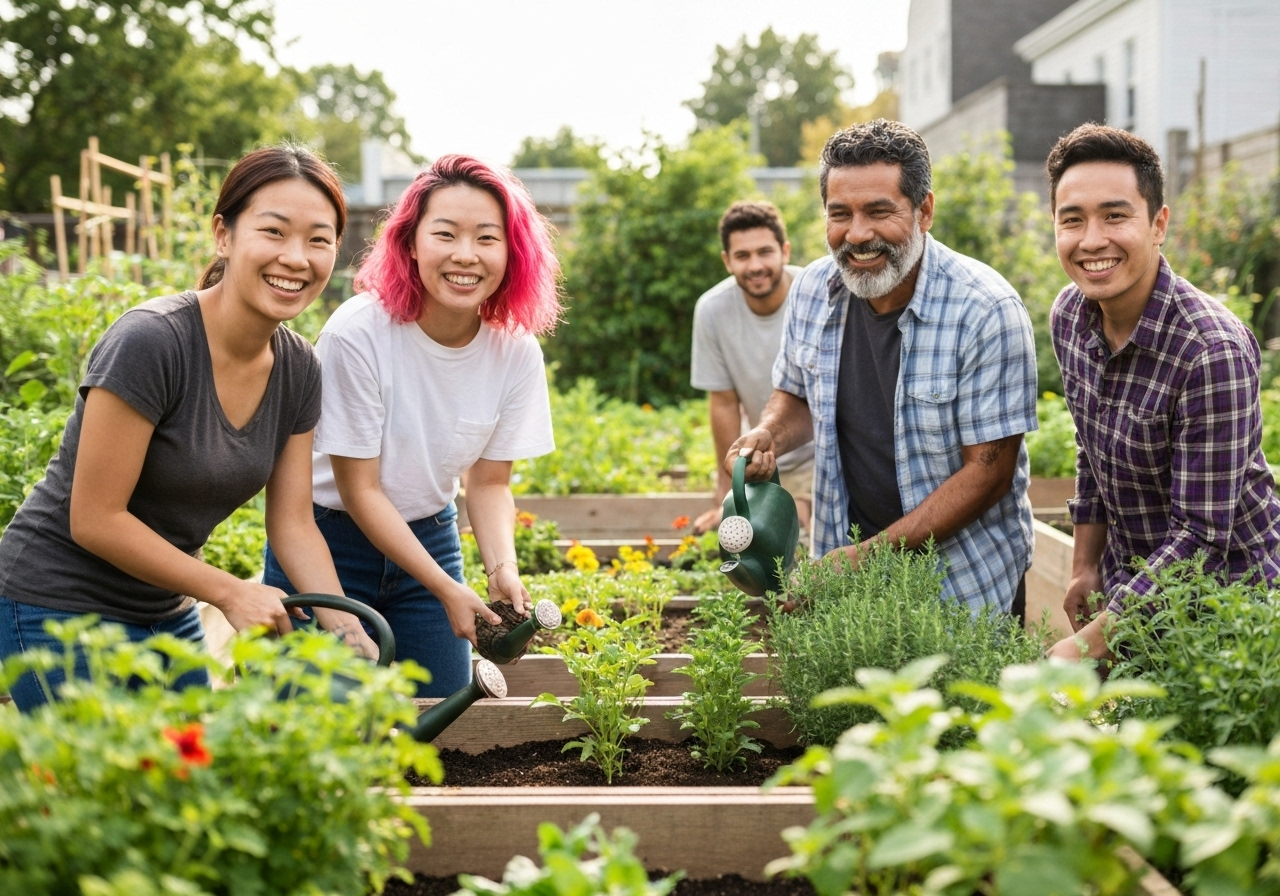
Living the renter life often means making peace with limitations. You dream of a sprawling vegetable patch, but your reality is a small balcony (if you’re lucky) and a lease that strictly forbids digging up the lawn. As an eco-conscious renter, it can feel frustrating. You want to reduce your food miles, eat seasonally, and get your hands in the dirt, but how? The answer might be just a few blocks away: a community garden. It’s the ultimate workaround for the green-thumbed renter, offering a slice of earth to call your own, without violating your lease. Why Community Gardening is a Game-Changer for Renters Joining a community garden is more than just a place to plant some tomatoes. It’s a powerful way to deepen your commitment to sustainable living while overcoming the unique hurdles of renting. It’s an investment in your well-being, your neighborhood, and the planet. Beyond the Balcony Box Container gardening is fantastic, but let’s be honest—a few pots can only yield so much. A community garden plot, typically ranging from 5×10 to 10×20 feet, gives you the space to grow a significant amount of food. Imagine harvesting not just a handful of herbs, but armfuls of zucchini, kale, beans, and potatoes. It’s a genuine opportunity to supplement your grocery shopping with fresh, organic produce you grew yourself. Fresh, Hyper-Local Produce The journey from farm to table is often thousands of miles long. By growing food in your neighborhood, you shrink that distance to mere footsteps. This isn’t just good for the planet; it’s great for your plate. Produce harvested at its peak of ripeness is more flavorful and nutrient-dense than anything you can buy at a supermarket. You’ll experience the unparalleled taste of a sun-warmed tomato eaten moments after it was picked. Rooted in Community Renting can sometimes feel transient, making it hard to feel connected to your neighborhood. A community garden changes that instantly. You’ll be gardening alongside people from all walks of life, sharing tips, celebrating successes (like a bumper crop of cucumbers!), and commiserating over pest problems. It’s a natural, low-pressure way to build friendships and put down roots, even if you don’t own the property. How to Find and Join a Community Garden Near You Feeling inspired? Finding a garden is the first step. The process is usually straightforward, but it helps to know where to look. Here’s a practical guide to securing your plot. Step 1: Start Your Search Online Your best friend here is your favorite search engine. Use simple, direct terms to get the best results. Try searching for: “Community garden near me” “[Your City] community garden” or “[Your Neighborhood] urban farm” “Allotment garden [Your City]” Many cities have their own Parks and Recreation department websites that list all registered community gardens. National organizations like the American Community Gardening Association (ACGA) also have searchable directories that can point you in the right direction. Step 2: Get to Know the Garden Once you’ve found a few potential gardens, do a little research. Visit their website or social media pages. Look for information on plot fees (they are usually very affordable, covering water and tool maintenance), rules, and application procedures. Most importantly, find out if they have a waitlist. Popular urban gardens can have long waits, so it’s good to get your name on the list as soon as possible. Step 3: Submit Your Application The application is typically a simple form. You’ll provide your contact information and agree to the garden’s rules and bylaws. Be prepared for a modest annual fee, often between $25 and $100. This small investment grants you access to soil, water, shared tools, and a wealth of community knowledge. Making the Most of Your Rented Plot Congratulations, you have a plot! Now the real fun begins. As a renter, you’re used to being a good steward of a space you don’t own, and the same principles apply here. Know the Rules Every garden has its own culture and guidelines. Read them carefully. Common rules involve organic-only practices (no synthetic pesticides or fertilizers), keeping your plot and surrounding paths weed-free, and participating in a few community work days per year. Respecting these rules ensures a harmonious environment for everyone. Start with Easy Wins If you’re new to gardening, don’t try to grow everything at once. Start with plants that are known for being productive and relatively low-maintenance. Great options for beginners include leaf lettuce, radishes, bush beans, zucchini, and cherry tomatoes. These will give you a rewarding harvest and build your confidence. Be a Good Garden Neighbor The “community” part of community gardening is key. Keep your tools tidy, make sure your plants don’t invade your neighbor’s plot, and be mindful of your watering so it doesn’t flood their space. Offer to water a neighbor’s plot if they’re on vacation, and don’t be afraid to ask for advice. A little kindness goes a long way in cultivating a thriving garden community. You don’t need a deed to a house to enjoy the benefits of a garden. By joining a community garden, you’re not just growing food; you’re growing connections, deepening your sustainable practices, and enriching your life as an eco-friendly renter.
Community Gardening for Renters: Your Guide to Growing Fresh Food, No Yard Required