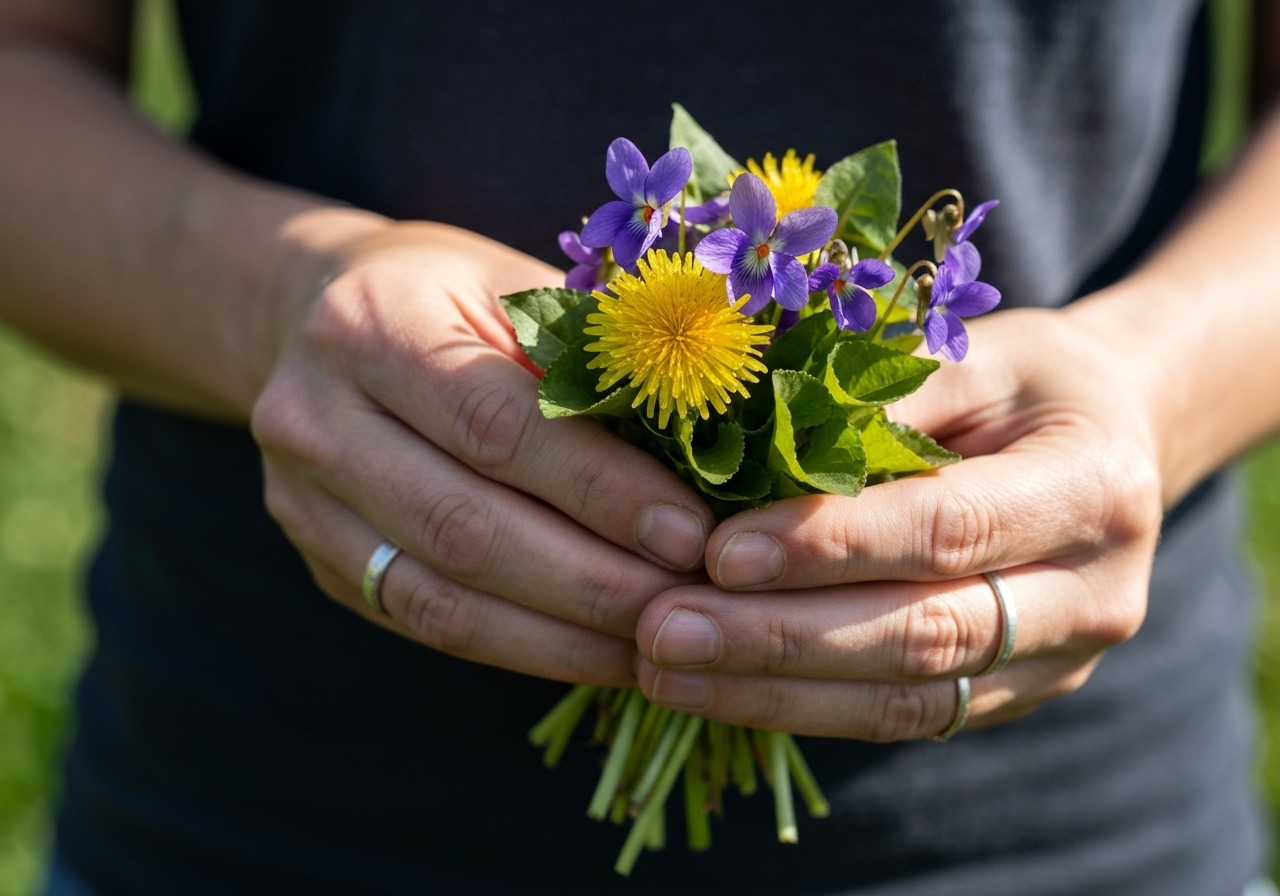
Living sustainably as a renter often feels like a puzzle. You want to reduce your carbon footprint and connect with your food source, but you can’t exactly install a geothermal heat pump or plant a massive vegetable garden on your balcony. What if I told you that a surprising, delicious, and deeply rewarding sustainable practice is likely growing right outside your door? I’m talking about urban foraging—the art of finding and harvesting wild edible plants, even in the heart of the city. Before you start picturing a vast wilderness, let’s be clear: urban foraging is less about surviving in the wild and more about supplementing your diet with fresh, local greens and rediscovering the nature that thrives in our urban landscapes. It’s a powerful way to reduce food miles to mere feet, save a little money, and connect with the seasons. But with great reward comes great responsibility. Safety is everything. This guide is your practical starting point for foraging safely, ethically, and joyfully as a renter. The Golden Rules of Safe Urban Foraging Navigating the urban ecosystem requires a specific set of rules. These aren’t meant to scare you off, but to empower you to forage with confidence and care. Think of them as your foraging code of conduct. Rule #1: 100% Certainty is Non-Negotiable This is the most important rule, and there are no exceptions. You must be 100% certain of a plant’s identification before you even think about eating it. Many edible plants have toxic look-alikes that can cause anything from mild discomfort to serious illness. Don’t rely on a single photo from a quick internet search. Cross-reference using multiple reliable sources: Reputable Field Guides: Invest in a good, region-specific book on edible plants. Foraging Apps: Apps like PictureThis or Seek can be helpful starting points, but always confirm their suggestions with other sources. Local Experts: Look for local foraging classes, workshops, or Facebook groups. Learning from an experienced forager is the best way to build confidence. A good mantra to follow is: When in doubt, leave it out. Rule #2: Know Your Location’s History A plant is only as healthy as the soil it grows in. In an urban environment, contamination is a real concern. You need to be a detective about your foraging spots. Avoid harvesting from areas that are likely to be contaminated, such as: Busy Roadsides: Plants growing near heavy traffic can absorb heavy metals and pollutants from vehicle exhaust. A general rule of thumb is to stay at least 50 feet away from busy roads. Manicured Lawns & Parks: These areas are often treated with pesticides, herbicides, and chemical fertilizers. Unless you know for a fact that an area is managed organically, it’s best to steer clear. Industrial Areas or Brownfield Sites: These locations can have heavily contaminated soil from past industrial use. Popular Dog-Walking Routes: This one is just common sense! Rule #3: The Renter’s Harvest Ethic As eco-conscious renters, we understand the importance of being good stewards. Foraging is not about taking everything you can find; it’s about participating in the local ecosystem respectfully. Always harvest sustainably: Take Only What You Need: Never clear out an entire patch of a plant. A good guideline is to take no more than 1/3 of the plants in any given area. Leave Plenty for Wildlife: Remember that birds, insects, and other animals rely on these plants for food and shelter. Harvest with Care: Use scissors or a small knife to snip leaves or flowers. Avoid ripping the entire plant out by the roots unless that’s the part you’re harvesting and the plant is abundant. Know the Law: Be aware of local regulations. Foraging is often permitted in public parks, but it’s typically illegal on private property without permission. Easy-to-Spot Plants for Urban Foraging Beginners Ready to start looking? Here are a few common, easily identifiable plants that are perfect for beginners. Always cross-reference with your field guide before harvesting! Dandelion (Taraxacum officinale): Yes, that common “weed”! Every part is edible. The young, tender leaves are great in salads (they have a slightly bitter, chicory-like taste), and the flowers can be used to make wine or fried into fritters. Broadleaf Plantain (Plantago major): Another common lawn resident. Look for its distinctive oval leaves with prominent parallel veins. The young leaves can be eaten raw in salads or steamed like spinach. It’s also known for its soothing properties on insect bites. Violets (Viola sororia): These beautiful purple or white flowers are a common sight in spring. Both the leaves and flowers are edible and have a mild, slightly sweet flavor. They make a beautiful and nutritious addition to any salad. Your Renter-Friendly Foraging Kit You don’t need expensive gear. Everything you need can likely fit in a tote bag by your front door. A breathable bag (cloth or mesh) to carry your harvest. Gardening gloves. A small pair of scissors for clean cuts. Your phone with an identification app and your trusty field guide. Urban foraging is a journey, not a race. Start small. Focus on learning to identify one or two plants with absolute certainty. As you walk through your neighborhood, you’ll start to see it not just as a collection of streets and buildings, but as a living, breathing, and sometimes even edible, ecosystem. Happy (and safe) foraging!
Urban Foraging for Beginners: How to Safely Find Edible Plants in the City