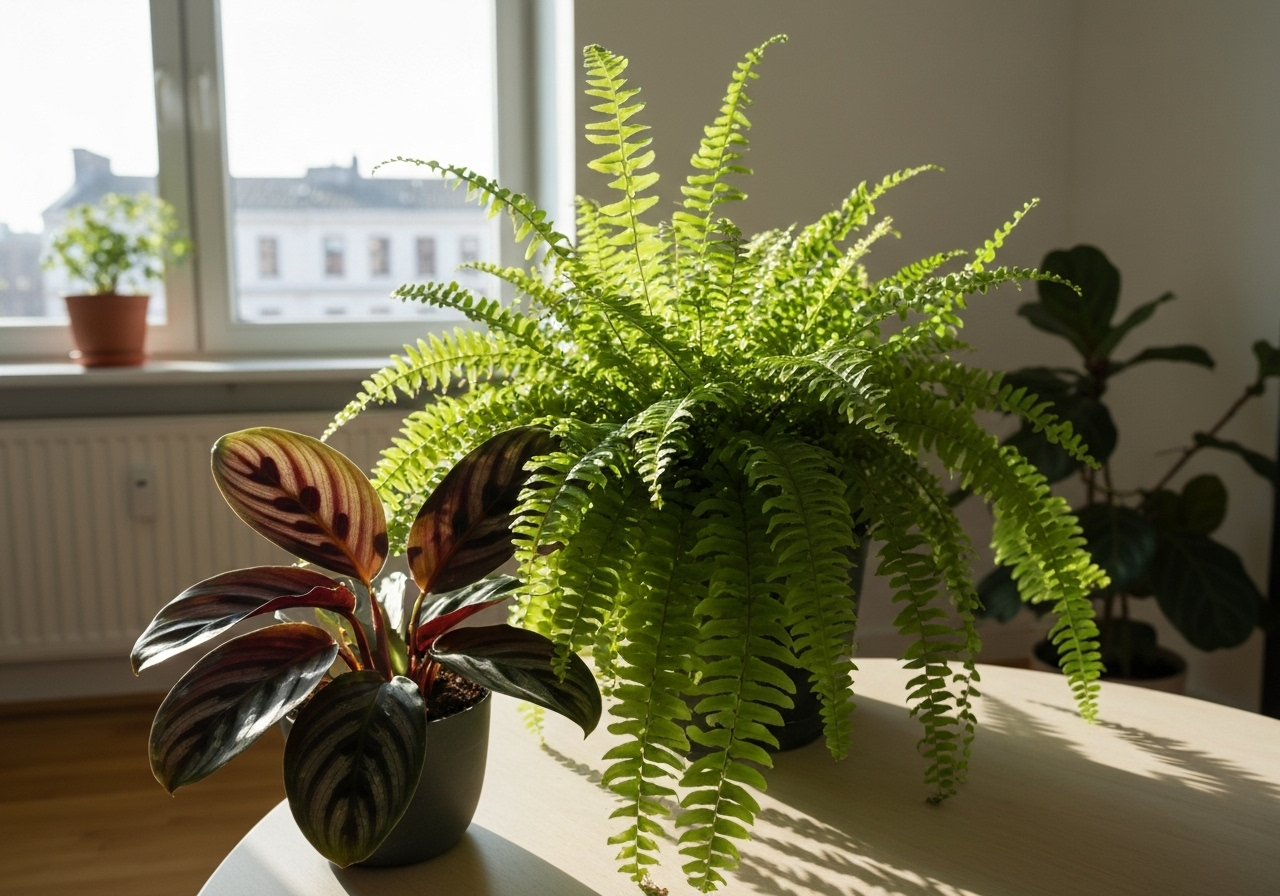
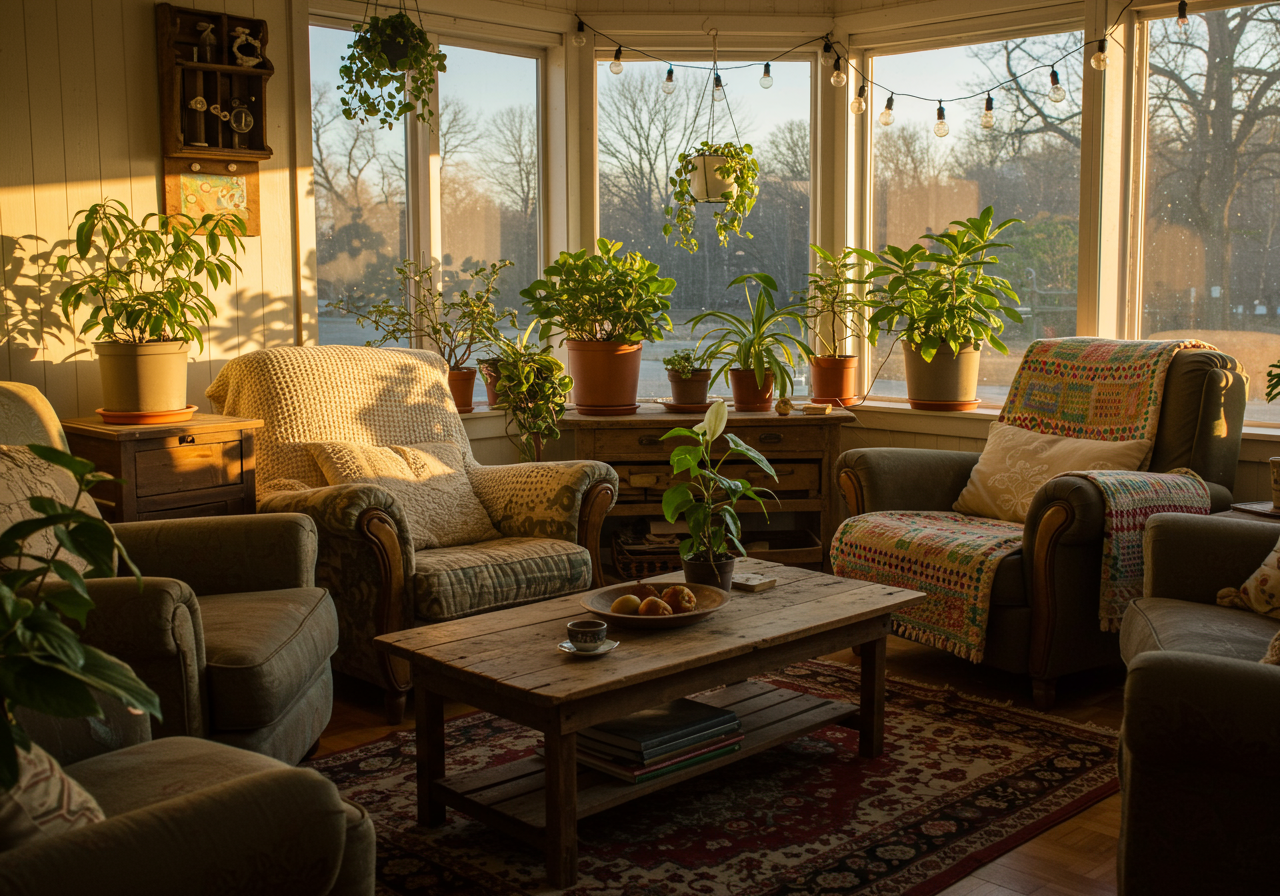
That feeling of waking up with a scratchy throat and dry skin is all too familiar for renters, especially when the central heating kicks in for the winter. The dry, recycled air in our apartments can be relentless. While fancy electric humidifiers are an option, they take up space, use electricity, and can be a pain to clean. But what if there was a more beautiful, sustainable, and renter-friendly way to bring some much-needed moisture back into your home? Enter the humble houseplant: your personal, all-natural, living humidifier. It might sound too good to be true, but plants are fantastic at increasing the humidity in the air around them. It’s a completely natural process, and as a renter, it requires zero installation and leaves no marks on the walls. Let’s dive into how it works and which green roommates are the best for the job. How Do Plants Act as Natural Humidifiers? The magic word is transpiration. Think of it as plants sweating, but in a good way! Plants absorb water through their roots, and then that water moves up to the leaves. They use a tiny bit of this water for photosynthesis, but the vast majority—around 97%—is released into the air as water vapor through tiny pores on their leaves called stomata. When you have a few plants doing this in a room, they collectively release a significant amount of moisture, naturally raising the ambient humidity. The best part? Unlike an electric humidifier you have to monitor, plants are self-regulating. The higher the transpiration rate, the more moisture they release. So, by choosing the right plants, you can create a small, lush ecosystem that helps you breathe easier. The Best Humidity-Boosting Plants for Renters Not all plants are created equal when it comes to transpiration. We’re looking for plants with high transpiration rates, often characterized by large, thin leaves. Here are some of the best, most resilient options perfect for apartment life. 1. Areca Palm (Dypsis lutescens) If you want a plant that works hard and looks stunning doing it, the Areca Palm is a top contender. With its lush, feathery fronds, it brings a tropical vibe to any room. Each of those fronds is covered in tiny leaflets, all releasing moisture into the air. It’s known to be one of the most efficient air-humidifying plants. It prefers bright, indirect light and consistently moist (but not soggy) soil. Bonus: It’s non-toxic to cats and dogs! 2. Boston Fern (Nephrolepis exaltata) The classic humidity hero! Boston Ferns are famous for their love of moisture, both in their soil and in the air. Their dense, shaggy fronds are transpiration powerhouses. They thrive in humid environments, making them a perfect choice for a bright bathroom or kitchen. They need indirect light and consistently moist soil to stay happy. If their fronds start to look a little crispy, it’s a sign the air is too dry—for both of you! 3. Spider Plant (Chlorophytum comosum) The ultimate beginner-friendly plant, the Spider Plant is forgiving, easy to care for, and a great natural humidifier. Its arching leaves have a high transpiration rate, and it’s famously tough to kill. It’s also incredibly easy to propagate—those little “spiderettes” can be planted to create new plants! It tolerates a range of light conditions and is completely pet-safe, making it a worry-free choice for renters with furry friends. 4. Peace Lily (Spathiphyllum) Peace Lilies are wonderful communicators. Their large, glossy leaves will visibly droop when they need water, taking all the guesswork out of your watering schedule. Those same broad leaves are also highly effective at releasing moisture into the air. They prefer medium to low indirect light and are known for their beautiful white “flowers” (which are actually a special type of leaf). Important: Peace Lilies are toxic to pets if ingested, so keep them out of reach of curious cats and dogs. 5. Calathea (Prayer Plant family) Want a showstopper that also boosts humidity? Look no further than the Calathea family. Known for their stunning, ornate foliage that often folds up at night like praying hands, these plants are tropical natives that release plenty of moisture. They can be a little dramatic and prefer filtered water and high humidity to prevent crispy edges, but their beauty is well worth the effort. And the best news for pet owners? Most varieties of Calathea are non-toxic to cats and dogs! 6. Bird’s Nest Fern (Asplenium nidus) With its wavy, bright green fronds that unfurl from a central rosette, the Bird’s Nest Fern brings a unique look to your plant collection. It loves the same humid conditions as the Boston Fern, making it another fantastic choice for your bathroom. Its large, undivided fronds are great for transpiration. It’s also pet-safe and relatively easy to care for, preferring medium, indirect light. 7. Golden Pothos (Epipremnum aureum) You’ve probably seen this trailing vine everywhere, and for good reason. The Golden Pothos is incredibly resilient and adaptable. Its heart-shaped leaves are efficient at transpiring, and its fast-growing vines can be trained up a shelf or left to cascade from a hanging basket, adding a beautiful touch of green to your rental. It thrives in almost any light condition. Like the Peace Lily, it is toxic if ingested, so be mindful with pets. Pro-Tips to Maximize the Humidifying Effect To get the most out of your new green humidifiers, try these simple, renter-friendly tricks: Group Your Plants: Placing several plants together creates a humid microclimate. As one plant transpires, the others benefit from the increased moisture, and the collective effect in your room is amplified. Use a Pebble Tray: Fill a shallow tray with pebbles and add water until it sits just below the top of the stones. Place your potted plant on top. As the water evaporates, it will create a steady stream of humidity right where your plant needs it most. No damage, no fuss. Choose Your Location Wisely: Position your humidity-loving plants in rooms that could use it most, like your bedroom. If you have a bathroom with a window, ferns and calatheas will be in heaven there. Fighting dry apartment air doesn’t have to involve another plastic appliance. By curating a small indoor garden, you not only improve your air quality and boost humidity but also create a beautiful, calming sanctuary to come home to. It’s a sustainable choice that makes your rental feel more like your own green oasis.
Say Goodbye to Dry Air: 7 Amazing Houseplants to Naturally Boost Humidity in Your Apartment