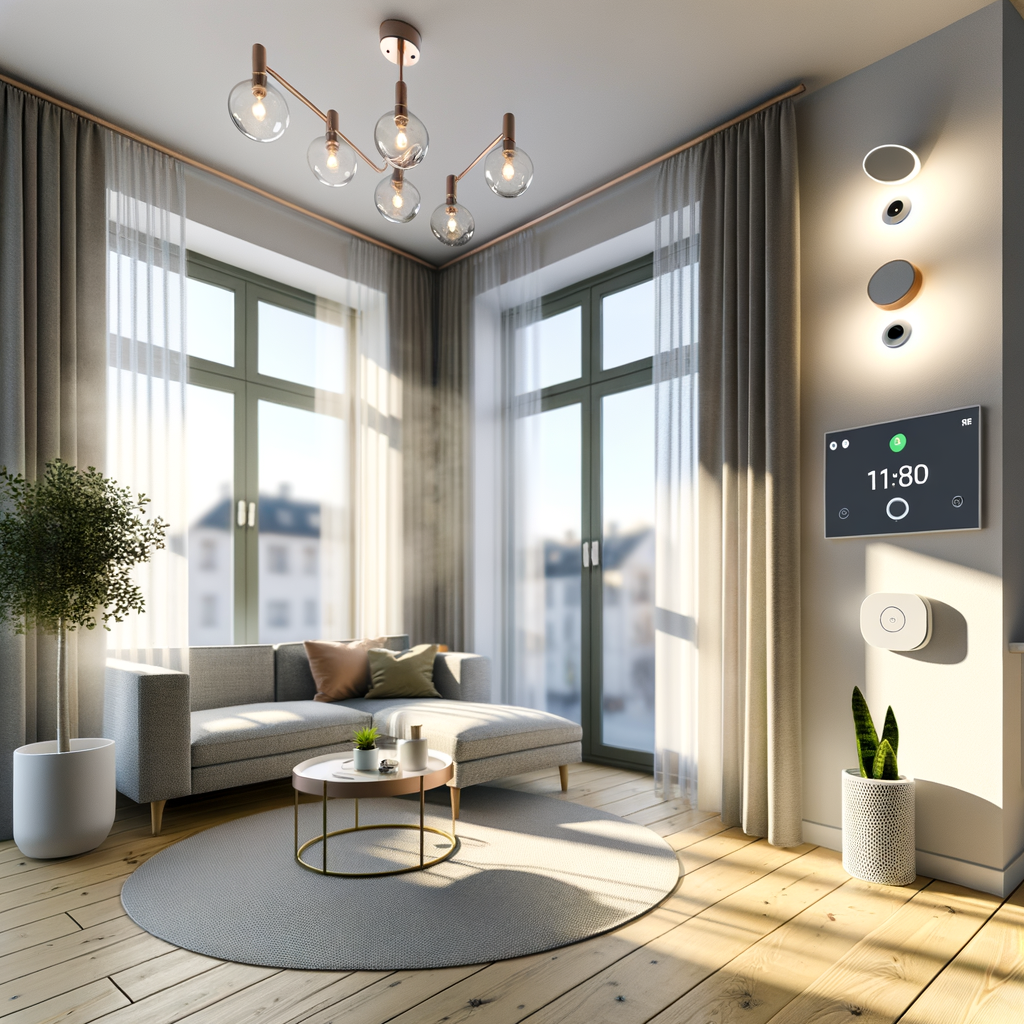
How to Create a Smart, Energy-Efficient Apartment on a Renter’s Budget (No Drilling Required!)
Want to reduce energy bills, shrink your carbon footprint, and create a smarter, more comfortable apartment—all without making permanent changes or drilling holes? Good news: even as a renter, you can transform any apartment into a high-tech, energy-saving haven. This guide covers affordable, easy-to-install solutions that boost efficiency and save money, with zero damage to your rental property.
Why Renters Should Care About Energy Efficiency
Energy efficiency is about much more than just going green. It’s a smart financial move and a step toward a healthier living environment. Here are key benefits:
- Lower Utility Bills: Efficient devices use less energy, saving you money every month.
- Comfort: Better temperature control and lighting improve daily living.
- Environmental Impact: Cutting your energy use reduces your apartment’s carbon footprint.
- Tech Advantages: Smart devices offer modern conveniences, all controlled from your phone.
Best of all, you don’t need to own your apartment or make permanent alterations to see big improvements—many upgrades are portable and installation-free.
Smart Solutions for Renters: Tools and Tips
1. Go Smart with Plug-In Devices
If you can plug it in, you can make it smart and energy-efficient.
- Smart Plugs: Simply plug these into your outlets and connect lamps, fans, or electronics. Control them with an app or voice commands, set schedules, or monitor energy usage.
- Smart Power Strips: Regular power strips leak energy in standby mode (“vampire” energy). Smart versions cut power automatically when not in use.
2. Efficient Lighting, No Electrician Needed
- LED Bulbs: Swap all old incandescent or CFL bulbs for LEDs (look for ENERGY STAR certified). These use at least 75% less energy and last 15–25 times longer.
- Smart Bulbs: Replace existing bulbs with Wi-Fi enabled LEDs to control color, brightness, and scheduling right from your phone or smart speaker.
- Motion Sensors: Use battery-powered or plug-in motion sensors in closets, hallways, and bathrooms for lighting that’s only on when you need it.
3. No-Drill Window Insulation Tricks
Drafty windows are major energy wasters, but you don’t need a toolkit to fix them. Try these:
- Removable Window Film: Apply heat-shrink plastic film with a hairdryer (removes cleanly at move-out).
- Weatherstripping: Peel-and-stick foam or silicone strips seal leaks without nails or screws.
- Thermal Curtains: Hang heavy or insulated curtains on tension rods for better climate control. They also work as blackout curtains for better sleep!
4. Smart Climate Control (No Thermostat Upgrade Required!)
Landlords rarely let tenants change the thermostat, but renters have options:
- Smart AC Controllers: Attach to your window or portable AC unit. They “learn” your preferences and let you control temp from an app—no drilling, no wiring.
- Portable Heaters and Fans with Timers: Many models have digital timers or can work with smart plugs, so you never run heating/cooling unnecessarily.
- Draft Stoppers: Place fabric “snakes” under doors to cut heat loss in winter and keep cool air inside during summer.
5. Kitchen & Appliance Upgrades That Save Energy
- Low-Flow Faucet Attachments: Threaded adapters screw on to the faucet in seconds, cutting water and energy waste.
- Smart Plug for Coffee Makers/Electric Kettles: Automate shutoff or morning start times for instant energy savings.
- Mini-Fridge Thermometer: Use a digital thermometer to make sure your fridge/freezer isn’t overcooling (ideal range: 35–38°F for fridge, 0°F for freezer).
6. Control and Monitor with Apps
A hub isn’t required. Free or low-cost smartphone apps offered by smart plug or bulb manufacturers let you:
- Set schedules by device or room
- Track energy use (many apps show real energy/time data)
- Connect to Amazon Alexa or Google Home for voice controls
- Check devices remotely so you never leave appliances running
How to Get Started: Step-by-Step Plan
Step 1: Identify the Energy Drains
Walk your apartment and look for:
- Old lighting (incandescent bulbs)
- Window/door drafts in winter or hot spots in summer
- Always-on electronics (TV, routers, chargers, kitchen gadgets)
- Noisy or inefficient heating/cooling appliances
Snap a few pictures and jot down the problem spots—you’ll target these first.
Step 2: Start with Low-Cost, High-Impact Changes
Don’t try to do it all at once. Prioritize your biggest energy sinks:
- Swap in LED bulbs—easy, affordable, and effective.
- Add smart plugs to high-use electronics or appliances.
- Hang thermal curtains on windows with noticeable temperature swings.
Step 3: Expand Your Smart Network
- As your budget allows, add more smart bulbs, plugs, or climate controllers.
- Replace old power strips with smart strips for grouped device control.
- Install more draft stoppers and weatherstripping.
Step 4: Review, Tweak, and Automate
- Use your smartphone app to track energy use and adjust schedules/timers.
- Experiment with automation (“turn off all lights after midnight,” or “pre-cool the living room before you get home”).
- Look for patterns: appliances that draw too much standby power, or rooms that need less light than you thought.
Top Tips for Renters: Maximizing Energy Savings Without Damage
1. Everything Should Be Removable
Stick to products designed for easy removal—think peel-and-stick adhesives, tension rods, and plug-in smart devices. Save the packaging for hassle-free returns when you move out.
2. Look for “No Hub Required” Products
Many smart bulbs, plugs, and controllers now use Wi-Fi or Bluetooth, so you don’t need a technical “hub” or extra gadgets connected to your router. This makes setup (and moving out) painless.
3. Use Voice Assistants
If you have an Amazon Echo or Google Nest, leverage routines (“Turn off all plugs at 11 pm,” “Dim lights to 20% for movie night”) for seamless, touchless control.
4. Check With Your Landlord Before Upgrading
Most insulation and smart device upgrades are 100% removable, but always check your lease and notify your landlord before doing any work—even temporary improvements. Many landlords appreciate responsible tenants and may reimburse you for energy-efficient upgrades!
5. Save Your Receipts
ENERGY STAR certified devices and certain smart home upgrades may be eligible for state/local rebates. You’ll also want receipts in case of product returns or tax credits.
Bonus: DIY Hacks for Extra Energy Savings (No Power Tools!)
- Draft Snakes: Roll up a bath towel and wedge it under drafty doors or windows.
- Reflective Window Film: Stick non-permanent reflective film in summer to block heat; remove in cooler months for passive solar warmth.
- Area Rugs: Add washable rugs to bare floors for a warmer winter apartment, especially above unheated spaces.
- Microwave and Toaster Oven Cooking: These appliances use up to 80% less energy than the full-size oven for small meals.
- Air-Dry Laundry: Use a foldable, no-install drying rack near a sunny window to skip the energy-gobbling dryer entirely.