
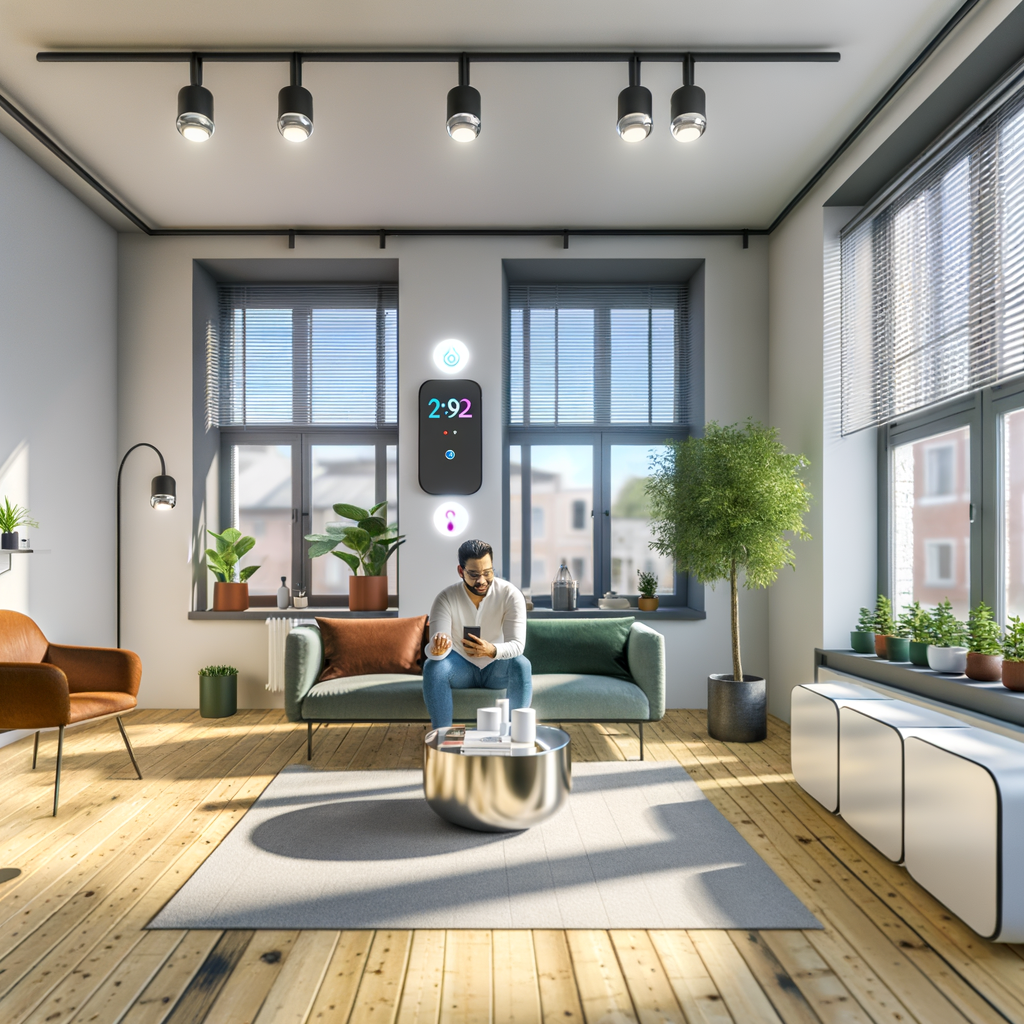
Myth-Busting Smart Homes: 7 Common Misconceptions About Eco-Friendly Tech for Renters
Adopting eco-friendly tech at home can seem complicated, especially if you rent your living space. There’s a lot of buzz about smart homes offering energy savings, convenience, and a smaller carbon footprint, but misinformation abounds. As a renter, you might wonder: “Is this stuff really for me?” We’re here to clear the air.
Let’s bust the top 7 myths about eco-friendly smart home tech for renters—and show you practical ways to make your apartment greener, smarter, and more affordable, all without risking your security deposit.
1. Myth: “Smart Home Devices Require Permanent Installation”
One major concern renters have is that smart home devices mean drilling holes in the wall or rewiring electrical systems. The truth is, most eco-friendly tech is designed with flexibility in mind—perfect for renters!
Easy, Non-Permanent Solutions
- Plug-and-play devices: Smart plugs, bulbs, and switches require zero wiring. Just plug them into an existing outlet or screw them into a lamp socket, and you’re live.
- Adhesive mounts: Modern sensors (like motion or leak detectors) often feature removable adhesive strips for easy, damage-free mounting.
- Wireless connectivity: Most smart home gear runs on Wi-Fi or Bluetooth, so there’s no need to modify your apartment’s wiring or drill for cables.
Pro tip: Before checkout, read the packaging or product description. Look for keywords like “wireless,” “no hub required,” or “tool-free setup.”
2. Myth: “Eco-Friendly Tech Is Too Expensive for Renters”
It’s easy to assume smart, green tech means sky-high price tags. But eco-friendly gadgets have become surprisingly affordable—and they keep paying you back in energy savings.
Budget-Friendly Options Abound
- Smart plugs and outlet adapters: These typically cost under $25 and help you eliminate phantom energy drain from appliances when not in use.
- LED smart bulbs: Lower your bills while gaining remote control via app or voice assistant. Prices start around $15 per bulb, and they last far longer than traditional bulbs.
- Water leak sensors: Prevent costly damage (and wasted water). Many highly-rated options are under $40.
Don’t forget: Local utilities and governments often provide rebates or incentives for upgrading to efficient lighting and thermostats—even in rentals. Always check online for available programs in your area.
3. Myth: “Smart Home Tech Isn’t Compatible with Rentals”
You might think your old building or leased apartment can’t support smart home tech. In reality, most devices are built to work anywhere, regardless of ownership status or building age.
No Landlord Permission? No Problem!
- No need to replace fixtures: Use screw-in smart bulbs, add-on thermostat covers, or attach wireless sensors. No permanent changes are necessary.
- Battery-operated options: Can’t wire a new device? Go wireless. Products like smart sensors, button controllers, and even some video doorbells use batteries and self-adhesive mounts.
- Easily removable: When your lease ends, simply take your tech with you to your next home.
Actionable tip: Always review your lease agreement. If you’re unsure about installing a specific device, communicate with your landlord for approval, especially for anything that alters existing fixtures or wiring.
4. Myth: “Smart Devices Use More Energy Than They Save”
Some skeptics worry that the “always-on” nature of smart devices actually means higher energy usage. But when used wisely, most smart home tech offers real savings and less waste.
How Smart Tech Cuts Consumption
- Scheduled automation: Program lights and plugs to turn off when you’re out. No more wasted energy from forgotten devices.
- Adaptive thermostats: Learning thermostats only heat or cool when needed—even some models that sit over your existing thermostat for easy removal after your lease ends.
- Usage monitoring: Many smart systems offer real-time data, helping you spot and eliminate energy hogs.
Fact check: Most smart plugs and sensors use less than 1 watt in standby mode—a fraction of the energy wasted by “dumb” appliances left on 24/7.
5. Myth: “You Need to Be Tech-Savvy to Use Smart Home Devices”
Not a coder? No problem. Eco-friendly smart home gadgets are more user-friendly than ever—even for true beginners.
Accessibility Features and Support
- Step-by-step apps: Most devices come with guided mobile app instructions. Setup typically takes minutes and offers video tutorials for added support.
- Simple voice control: If you can say, “Turn off the lights,” you’re qualified! Amazon Alexa, Google Assistant, and Apple HomeKit integrations are now standard.
- Support communities: Reddit, Facebook groups, and YouTube are loaded with renters just like you sharing tips and walkthroughs.
Pro tip: Look for devices labeled “Works with Alexa/Google Home/Siri.” This often means the easiest plug-and-play setup, without needing extra apps or technical know-how.
6. Myth: “Smart Home Devices are a Privacy Nightmare”
Privacy is top of mind for many renters, especially when installing smart cameras or voice assistants. The real story? You control your privacy settings—and you can find eco-friendly devices that don’t snoop.
Privacy Solutions for Renters
- Local-only devices: Some smart plugs, bulbs, and locks can run entirely offline, with no cloud connection required.
- Robust controls: Nearly all reputable brands now let you customize data sharing, disable mics/cameras, and regularly delete usage logs from their associated apps.
- Minimal data required: Devices like smart thermostats and plugs don’t listen in—they simply automate power use based on your phone’s location or a preset schedule.
Take control: Always review privacy settings during setup. If a device feels too invasive, choose an offline alternative or one focused solely on energy management rather than surveillance.
7. Myth: “You Need a Full Smart Home System to Make an Impact”
Eco-friendly living isn’t all or nothing. You don’t need to splurge on a comprehensive smart home overhaul. Even a few simple gadgets can make a difference in your bill and your footprint.
Start Small, See Real Results
- One room at a time: Begin with a smart bulb or plug in the room you use the most, then expand as you build confidence.
- Layer devices for synergy: Pair a smart thermostat with smart blinds, or combine lighting with occupancy sensors to maximize efficiency.
- Measurable savings: Track your utility bills before and after. Many renters see a 10-20% drop in energy costs from just a few strategic upgrades.
Remember: The most sustainable smart home is the one you use consistently. Tackle the basics first, and grow your setup at your own pace.
Practical Tips for Renters Embracing Smart Eco Tech
Once the myths are dispelled, incorporating smart tech in your rental is easier than you think. Here are actionable steps to get started:
- Audit your current energy use: Identify which appliances or habits consume the most electricity or water.
- Choose modular, portable gadgets: Prioritize products you can take with you when you move.
- Communicate with your landlord: For upgrades like smart thermostats or window sensors, open a dialogue and offer to restore things at move-out.
- Leverage scheduling and automations: Use your devices’ apps to automate lights, heating, and appliances for maximum savings.
- Mix low-tech with high-tech: Smart power strips, window film, blackout curtains, and door draft blockers complement your smart setup and amplify savings.
FAQs: Eco-Friendly Smart Home Tech for Renters
Can I use a smart thermostat if my landlord won’t let me change the existing one?
Related Posts
How to Build a Smart, Energy-Efficient Apartment on a Renters’ Budget: A Step-by-Step Guide
How to Build a Smart, Energy-Efficient Apartment on a Renters’ Budget: A Step-by-Step Guide Living sustainably isn’t just for homeowners.…
How to Turn Your Rental Into a Smart, Energy-Saving Haven—Without Breaking the Lease
How to Turn Your Rental Into a Smart, Energy-Saving Haven—Without Breaking the Lease Are you dreaming of an energy-efficient smart…
“Smart, Green, and Lease-Friendly: 7 Energy-Efficient Gadgets Every Renter Can Install Without Breaking the Lease”
Smart, Green, and Lease-Friendly: 7 Energy-Efficient Gadgets Every Renter Can Install Without Breaking the Lease If you’re a renter, saving…