7 Smart Home Devices Under $100 That Make Sustainable Living Easy for Renters
Renters often face unique challenges when trying to live more sustainably. You can’t always upgrade windows, install solar panels, or swap out appliances. But thanks to a new wave of affordable smart home devices, making eco-friendly choices is easier than ever—even when you don’t own your space.
In this guide, we’ll explore seven smart home devices under $100 that help renters reduce energy use, save money, and shrink their environmental footprint. These gadgets are easy to install, easy to remove, and deliver real value without breaking the bank—or your lease.
Why Smart Home Devices Make Sustainability Simple for Renters
Many renters want to make greener choices, but are limited by what landlords will allow. Smart home tech solves this with:
- No-permanent-installation required: Most are plug-and-play or use adhesive mounting.
- Portability: Take them with you when you move.
- Easy control: Use a smartphone or voice assistant for simple operation.
- App-based insights: Get reports on your savings and environmental impact.
With these benefits in mind, let’s dive into the top affordable devices that can make your rental smarter and more sustainable.
1. Smart Plugs—Automate & Save on Energy Use
Estimated price: $10–$25 per device.
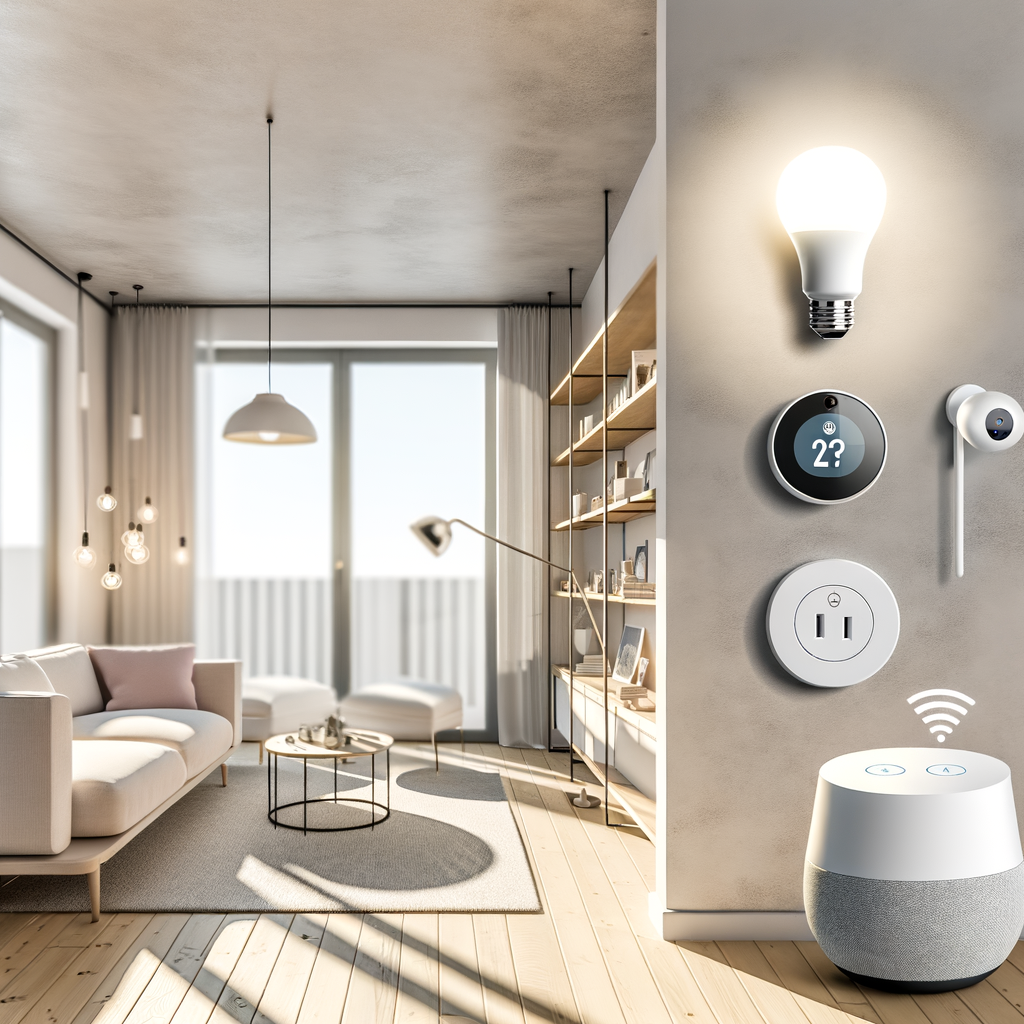
Smart plugs are tiny, affordable devices that plug into regular wall outlets. You simply connect a lamp, fan, coffee maker, or electronics. The best part? You gain remote control from your smartphone or via a voice assistant like Alexa or Google Assistant.
How Smart Plugs Help Sustainability
- Eliminate phantom loads: Many devices suck energy on standby. Smart plugs cut power completely when not in use.
- Create custom schedules: Set lights or appliances to turn off automatically, avoiding waste.
- Track consumption: Some models monitor individual energy usage, showing where you can save.
Recommended Features to Look For
- Supports both Android and iOS
- Energy monitoring (optional, but helpful)
- Compatible with your preferred voice assistant
- No hub required (keep it simple!)
Example uses for renters: Control coffee makers, cut TV standby usage, or set up a vacation lighting schedule for security and savings.
2. Smart Bulbs—Efficient Lighting for Every Room
Estimated price: $10–$40 per bulb (bundles are cheaper).
Lighting accounts for about 10–15% of a typical renter’s electricity bill. Swapping out traditional bulbs for smart LEDs is simple—but game-changing when it comes to convenience and efficiency.
How Smart Bulbs Help Sustainability
- 80% less energy: LEDs use a fraction of incandescent or halogen bulbs.
- Scheduling and automation: Never forget to turn off a light again. Program routines for evenings or trips away.
- Long lifespan: Fewer replacements mean less waste and lower costs over time.
What Makes a Bulb “Smart”?
- Control via app or voice
- Dimmable and often color-tunable
- Remote access—perfect for travel or late-night forgetfulness
Tip for renters: Take your smart bulbs with you to your next apartment; just keep the original packaging for moving.
3. Smart Power Strips—Tame Electronics and Phantom Loads
Estimated price: $25–$40.
The average home has dozens of devices drawing phantom power—energy they use even when “off.” A smart power strip lets renters manage several devices from one app, slashing waste with a tap.
How Smart Power Strips Help Sustainability
- Cut power automatically: Set schedules or use motion sensors to turn off items when you leave a room.
- Monitor usage: Many models show real-time power draw, so you can spot energy hogs quickly.
- Protect devices: Bonus surge protection safeguards your tech and improves longevity.
Where to Use Smart Power Strips
- TV and gaming consoles (which often draw power “off”)
- Home office setups (printers, chargers, monitors, etc.)
- Entertainment centers or secondary lighting
Smart power strips are especially great for renters who need easy, reversible solutions with big impact.
4. Smart Thermostats for Individual Rooms
Estimated price: $50–$100.
Whole-home smart thermostats are often off-limits to renters, but newer room-based smart thermostats or temperature controllers plug directly into your rental’s wall outlet or electric heater. No hardwiring needed!
How Standalone Smart Thermostats Boost Efficiency
- Zone heating/cooling: Only condition rooms you use, not the whole apartment.
- Remote access: Turn off AC or heat when you forget and leave for the day.
- Smarter scheduling: Program routines for workdays, weekends, or travel.
Good Candidates for Portable Smart Thermostats
- Portable electric space heaters
- Window or portable AC units
- Old baseboard heaters (with plug-in solutions)
Note: Always verify compatibility with your devices. Many models now work perfectly with portable heating and cooling units—a renter-friendly option.
5. Smart Leak Sensors—Protect Your Home & Avoid Water Waste
Estimated price: $20–$50 per sensor.
Water leaks are a silent waste of resources that can cause major damage. Early detection saves water and helps you report issues to your landlord before they become costly.
How Smart Leak Sensors Make Rentals Greener
- Instant alerts: Get messages to your phone if a leak is detected (under sinks, laundry, near water heaters).
- Prevent water damage: Early intervention stops mold or major repairs.
- Reduce water waste: Fixing leaks promptly conserves gallons of water each year.
Where to Place Leak Sensors
- Beneath kitchen or bathroom sinks
- Next to washing machines or dishwashers
- In basements near water heaters or sump pumps
Pro tip: Landlords often appreciate these, as they keep your unit safe, potentially earning you goodwill (or even a break on your deposit).
6. Smart Shades and Blinds—Harness Natural Light Efficiently
Estimated price: $50–$100 per unit (DIY kits and adapters).
Direct sunlight is a free source of heat and light—if you manage it well. Smart shades or motorized blind controllers let you automate window coverings based on the time of day, room temperature, or even local weather.
How Smart Shades Save Energy
- Reduce AC costs: Close blinds mid-day in summer to block heat.
- Maximize winter warmth: Open blinds during sunny hours in colder months.
- Only use lights as needed: Automatically adjust when rooms get dark to optimize daylight use.
Rental-Friendly Options
- Smart blind controllers that attach to existing cords or wands
- Solar-powered adapters (no wiring or plugs needed)
- Temporary adhesive mounting hardware instead of drilling
Eco-benefit: Managing sunlight can lower energy bills by 10–15% in many climates, all with no construction or lasting impact.